Chicory, Burdock & Wood Avens – Underrated Root Herbs by the Roadside
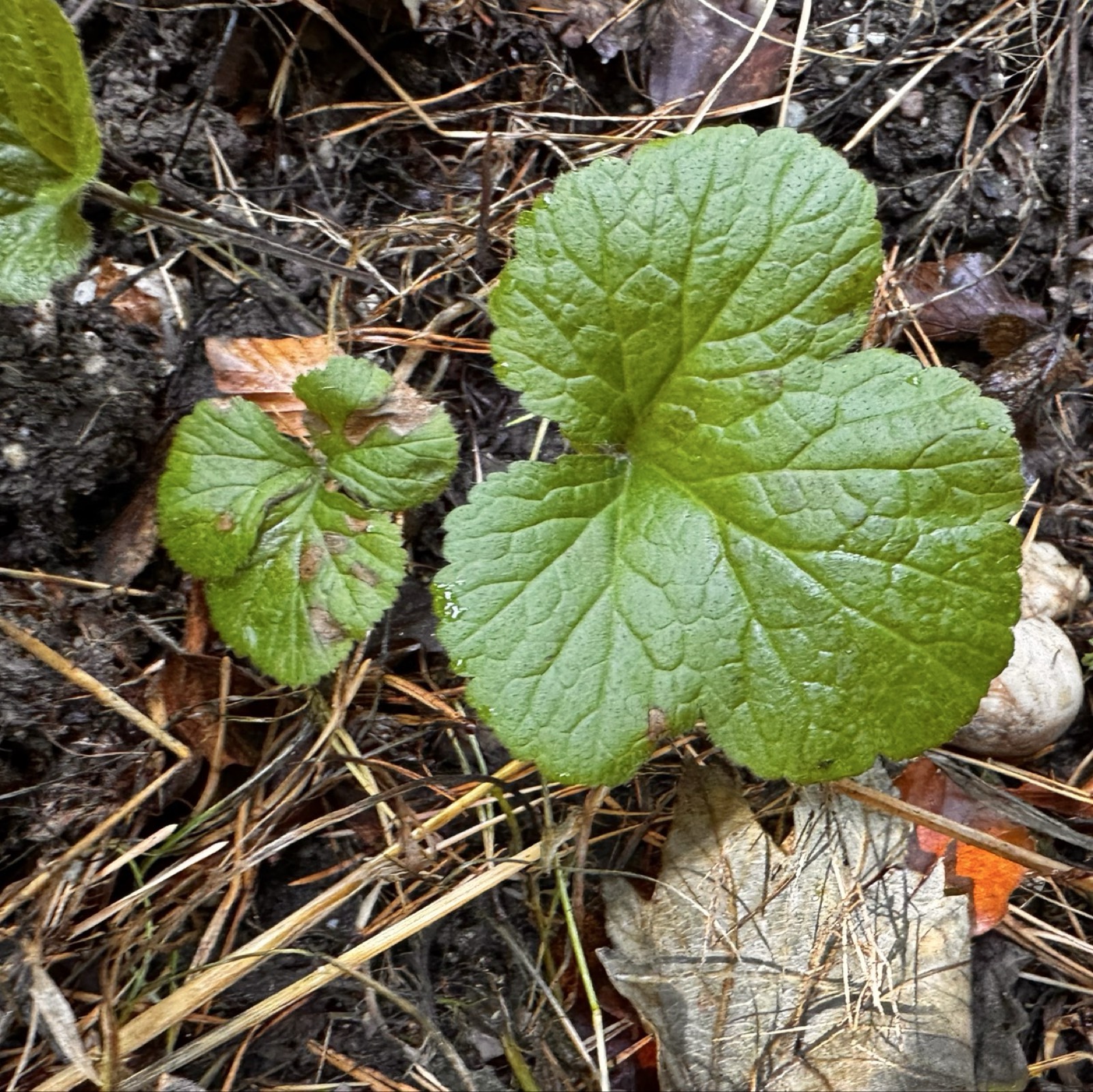
Three wild plants that barely stand out on roadsides, meadows and wasteland – and whose real treasure is usually hidden underground.
Chicory / Wild Chicory (Cichorium intybus)
- Identify: Knee-high perennial with sparse, almost leafless stems and vivid sky-blue flowers that often close again by midday
- Season: Flowers July to September, roots are strongest in autumn
- Use: The roasted, ground root makes the classic "chicory coffee" – caffeine-free, malty-bitter, well known as a coffee substitute since wartime shortages. Young leaves taste bitter-tangy in salads
- Good to know: The cultivated form with thick roots is the parent crop of witloof (forced chicory) – the wild form has thin, woody roots
Burdock (Arctium lappa)
- Identify: A leaf rosette in its first year with huge, heart-shaped leaves that are felty-white underneath; only in the second year does it send up a flower stalk with the well-known burrs (the original model for hook-and-loop fasteners)
- Season: Dig the root in autumn of the first year – after that it turns woody
- Use: The taproot tastes nutty-earthy raw, similar to salsify, and can be roasted, braised or pickled like parsnip. A classic in Japanese cuisine as "gobo"
- Watch out for: Young leaves resemble the toxic butterbur – before flowering, only pick when several features match up; if in doubt, leave it standing
Wood Avens (Geum urbanum)
- Identify: Inconspicuous small yellow flowers on branched stems, toothed leaves; the real identifying feature is in the root – cut or dried, it smells distinctly of cloves
- Season: The root is most aromatic in early spring and autumn
- Use: Dried, grated root as a clove substitute in mulled wine, stewed fruit, or for flavoring beer (traditionally in monastery breweries). In folk medicine, a root infusion was gargled for toothache and gum inflammation. One of its old names goes back to Saint Benedict and the blessing of the plant: "herb bennet"
Basic foraging rules
- Only dig roots where plants grow abundantly – never clear out a whole stand
- Collect away from roads and sprayed areas, wash roots thoroughly
- Harvest burdock in its first year (recognizable by the pure leaf rosette without a flower stalk) – afterwards the root turns tough and bitter