Spring Wild Herbs: Wild Garlic, Nettle, Ground Elder
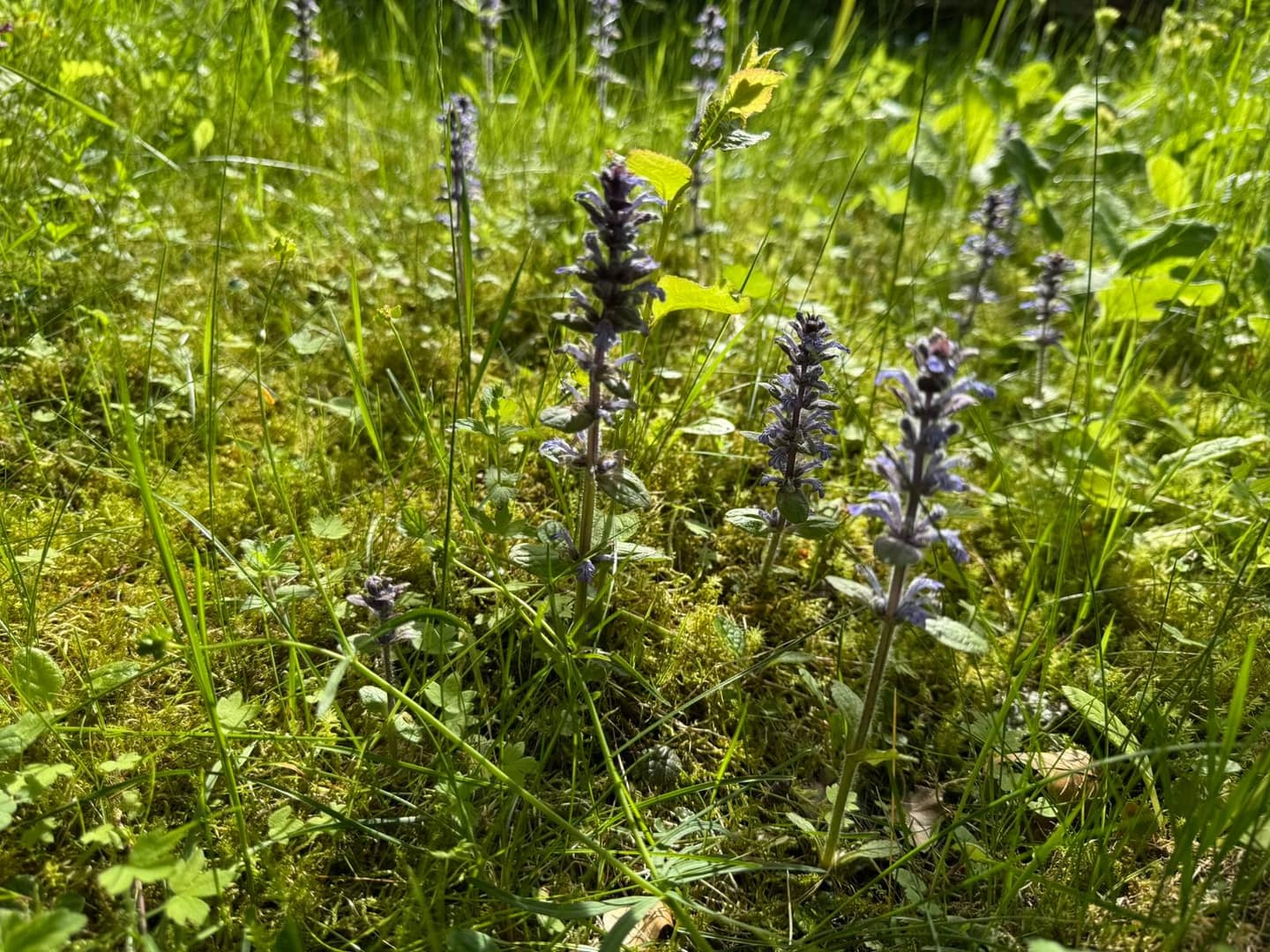
Spring is the best time for wild herbs: the plants are young, tender and especially nutrient-rich – long before the home garden has anything to offer.
The most important spring wild herbs
Wild garlic (Allium ursinum) – grows in moist deciduous forests and smells distinctly of garlic. Important: wild garlic has poisonous look-alikes that do not smell of garlic – lily-of-the-valley leaves and above all autumn crocus (Colchicum autumnale). It contains colchicine, for which there is no antidote, and just a few leaves can be fatal. There is also cuckoo pint (Arum maculatum), whose young leaves are arrow-shaped with net-like veining – wild garlic has parallel leaf veins. The difference: autumn crocus leaves grow straight out of the ground without a stalk and wrap around one another, they are tougher and glossy on both sides – wild garlic carries each leaf singly on its own stalk. The smell test on its own is not enough, because after the first wild garlic leaf your fingers keep smelling of garlic: check every leaf separately, with clean fingers, and always several features together.
Stinging nettle – rich in iron and vitamin C. Harvest young shoot tips before flowering, then use as a vegetable, soup or pesto.
Ground elder – a stubborn garden weed, but an excellent wild vegetable with a flavor somewhere between carrot and parsley. One caution: it belongs to the carrot family, which also includes fool's parsley and poison hemlock – both toxic, both growing in the same kinds of places. Ground elder follows the rule of three: a triangular leaf stalk, a leaf in three parts, three leaflets per part, plus the spicy scent when rubbed. If one of those doesn't fit, leave the plant standing.
What to look for when identifying
- Always pick individual leaves and rub them with clean fingers – smell alone is never enough, several features have to match
- If unsure: leave it standing
- Use an up-to-date field guide with photos
Harvesting sustainably
Only collect from unsprayed locations. Never take more than a third of a stand, so it can regenerate.