The Best Chicken Breeds for Beginners
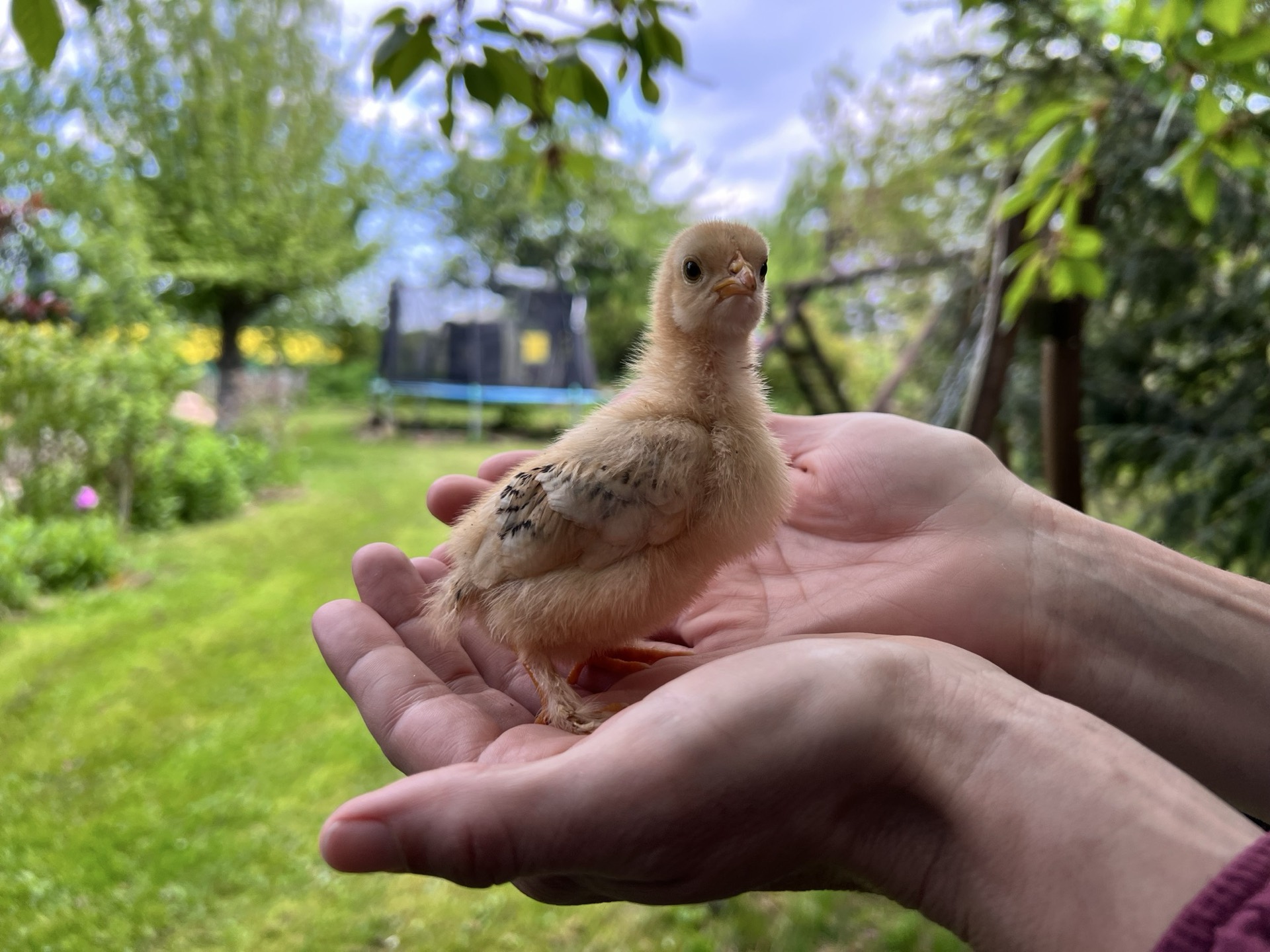
Anyone buying chickens for the first time faces dozens of breeds and just as many opinions. The good news: for a start, the choice narrows down to a handful – and the most important decision comes even before that.
Hybrid or purebred?
This is the real fork in the road.
Hybrid layers – sold as Lohmann Brown, Bovans or Tetra – are bred for output and lay around 280 to 300 eggs in their first year. They are undemanding, cheap and available at point of lay. The price for that: production drops off noticeably after one to two years, and the birds are more prone to egg binding and oviduct infections. Keep them beyond year two and you are keeping pensioners – which is perfectly fine, but worth knowing up front.
Purebred chickens lay less, usually 150 to 220 eggs a year, but spread over more years. They are hardier, longer-lived, some brood their own chicks, and they simply look better in the garden. For self-sufficiency with a view to several years, this is usually the better fit.
For a start with three to five birds, purebreds have a lot going for them: at that flock size the difference in egg count barely matters, while the calmer temperament matters a great deal.
Five breeds that rarely go wrong
Sussex – the classic beginner's bird. Calm, friendly, winter-hardy, around 180 to 200 eggs. Tames quickly and is unproblematic around children.
Australorp – exceptionally robust and good-natured, 180 to 220 eggs. Keeps laying comparatively reliably through winter, which many breeds do not.
Orpington – the lap chicken among the breeds. Heavy, placid, extremely tame, but at 150 to 180 eggs at the lower end. Inclined to go broody, which is either a bonus or a nuisance depending on your plans.
Bielefelder – a German auto-sexing breed with a practical party trick: chicks can be sexed on hatch day by the colour of their down. If you raise your own, that spares you the rooster question in month four. Around 200 eggs, calm temperament.
Vorwerk – an old German breed, weatherproof and frugal with feed, about 170 eggs. Livelier than the other four and a capable flyer, so it needs a properly fenced run.
If you want colourful eggs: Araucana lay greenish, Marans dark brown. Both are manageable for beginners but a little more demanding to raise – better as a second step than a first.
What beginners should stay away from
Bantams are charming but escape artists, and they lay correspondingly small eggs. Silkies are adorable and poor layers, and sensitive to wet weather on top. And breeds with extreme show traits – heavily feathered feet, crests that block their vision – bring grooming work you do not need at the start.
Do you need a rooster?
Not for eggs. Hens lay just as many without one; the eggs simply are not fertilised.
A rooster brings order to the flock, warns of birds of prey and is a prerequisite for your own chicks. But he crows from about four in the morning – and in many residential areas that is the point where the neighbours join the conversation. Check first, buy second.
How many to start with?
At least three – chickens are flock animals, and a single chicken is an unhappy chicken. Three to five hens are a good size for a household and deliver more eggs in season than most people expect.
The lay rates given here are guide values from the breed descriptions. What a hen actually lays depends on age, feed, daylight and housing – the first laying year is the most productive, and in winter and during the moult many hens stop entirely.