Understanding, Collecting & Storing Fresh Eggs
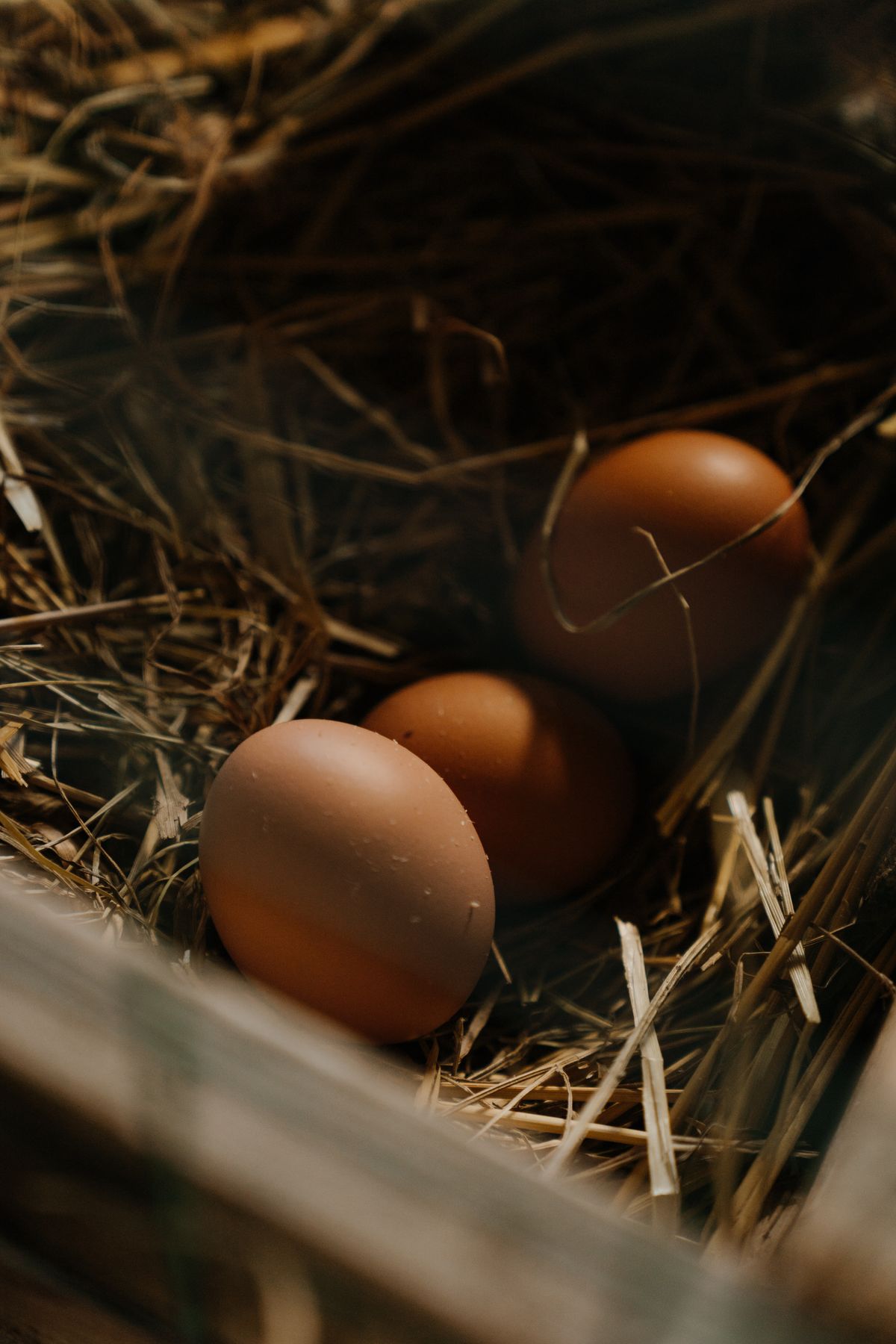
Understanding, Collecting and Storing Fresh Eggs
Fresh eggs from your own hens are incomparable – bright orange yolk, firm white, nothing like what you get from the supermarket. But even these are often stored incorrectly.
When and How to Collect?
Hens usually lay in the morning to midday. Collecting once a day is ideal – less often risks hens starting to peck at or eat eggs (a bad habit you want to avoid).
Nesting boxes with fresh bedding and enough darkness reduce broodiness and pecking.
How Long Do Eggs Stay Fresh?
Fresh eggs have a natural protective coating (the cuticle) that keeps germs out.
- Unrefrigerated (unwashed): 2–3 weeks at room temperature
- In the refrigerator (stored unwashed): 4–6 weeks
- Washed: Refrigerate immediately – the cuticle is gone
Important: In the EU, Class A eggs may not be washed – so even supermarket eggs still have their cuticle. In shops they only have to be refrigerated from the 18th day after laying. For your own eggs the rule is: once chilled, always chilled – otherwise condensation forms on the shell.
Freshness Test
Place the egg in water:
- Sinks flat to the bottom → very fresh
- Stands upright on the bottom → still good, but older
- Floats to the top → discard
Why Eggs Come in Different Colors
Egg color depends solely on the breed, not on how the hens are kept or fed. Marans lay dark brown eggs, Araucanas bluish ones, White Leghorns pure white. The yolk color, however, is influenced by feed – lots of green feed and insects mean a deep orange-yellow yolk.
Blood Spots and Meat Spots
Small red spots in the egg can be alarming but are harmless. They result from minor bleeding during laying. They're not a quality defect – in industrial production they're sorted out simply because buyers don't recognize them.
Tip: Keep a small egg calendar. Note how many eggs are laid each day – a drop in output shows early on if a hen is sick or under too much stress.