Keeping Chickens - Your Start into Self-Sufficiency
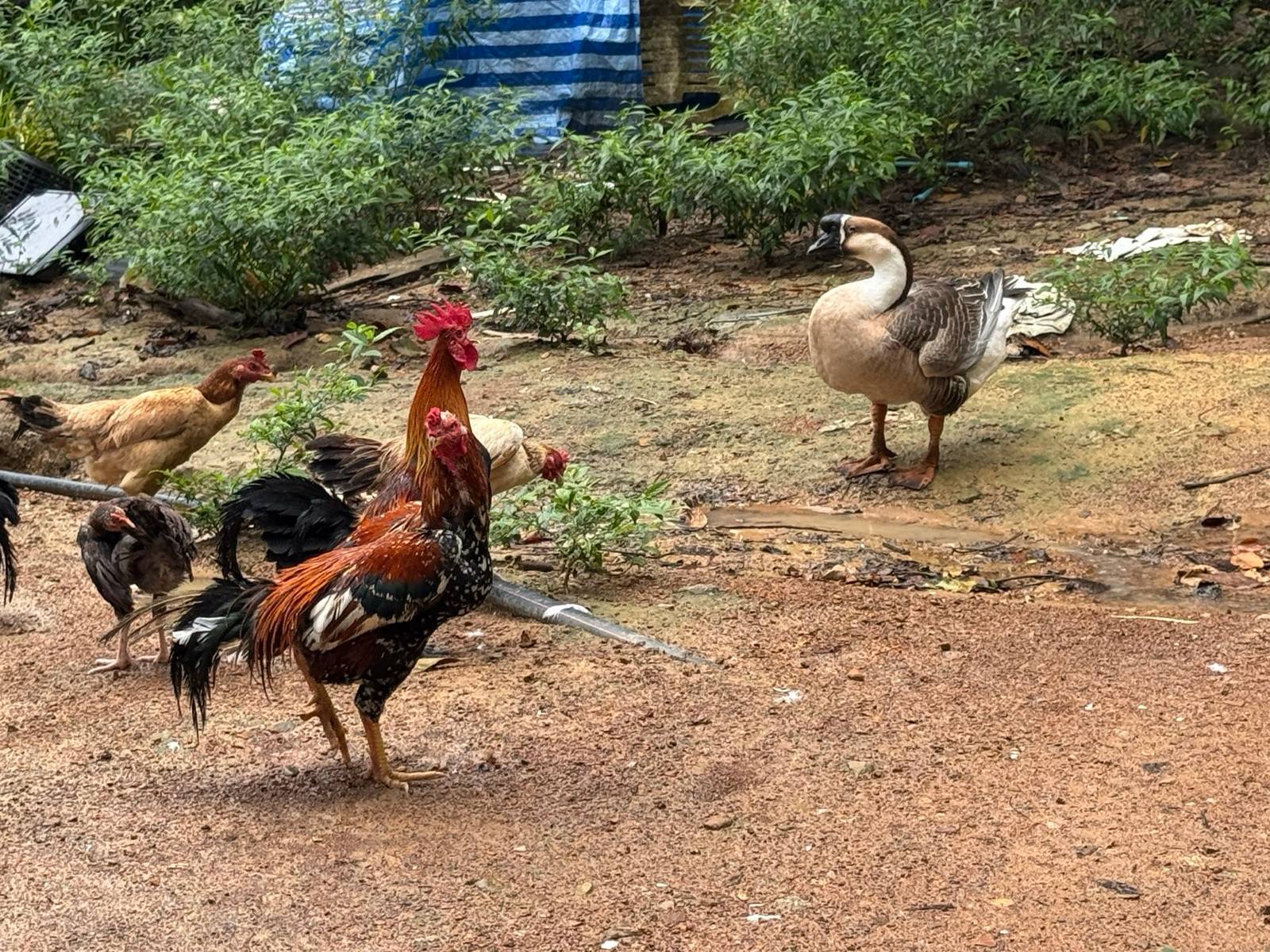
Chickens in your own garden are more than a hobby – they're a first, concrete step toward self-sufficiency. Fresh eggs daily, lively animals that enrich the garden, and a surprisingly low amount of care needed: no wonder keeping chickens at home is booming. This article explains what you really need to get started well.
Am I Even Allowed to Keep Chickens?
Before buying a coop and birds, the legal side needs clarifying.
Rural areas: Generally unproblematic – chickens are considered small livestock, part of normal agricultural use.
Residential areas: Depends on the municipality. Most municipalities allow a few hens, but often not roosters (noise nuisance). When in doubt, ask the local regulatory office or check the zoning plan.
Rental law: If you rent your home, you need explicit permission from your landlord.
Registration requirement: In Germany, chickens must be registered with the veterinary office and with your state's animal disease fund (Tierseuchenkasse) from the very first bird – three hens in the back garden included. It's little effort: usually a single form, and the fees for small flocks are very low.
What Chickens Really Need
Coop
The coop is the most important investment. It must be:
- Fox-proof: solid floors or fine-mesh floor panels (at least 12 mm thick wood, wire with a maximum mesh size of 25 mm), locks
- Large enough: at least 1 m² of coop space per 3 hens, ideally 1 m² per 2 hens
- Well ventilated, but without drafts – vents at the top, not at body height
- Dark and dry
Roosting bars: Chickens sleep on bars, not on the floor. At least 30 cm of bar length per bird, at least 30 cm above the ground.
Nesting boxes: 1 nest per 3–4 hens, dark and raised. Nest size approx. 30 × 30 cm.
Run
Chickens need room to scratch, dust-bathe and explore. Guideline: 4–10 m² per bird (the more, the better). A run that's too small quickly gets scratched bare and becomes a hygiene problem.
Fencing: At least 1.5 m high (many breeds can fly over 1.2 m), chicken wire or an electric fence against foxes.
Tip: A mobile coop or regularly moving the fence to fresh areas lets the run recover and gives the birds more variety.
Feeding: What Chickens Eat
Chickens are omnivores – within limits.
Basic feed: Grain-based layer mash or pelleted complete feed as the base. This contains all the necessary nutrients, vitamins and minerals. Don't get creative with the basic feed.
Supplements:
- Unprocessed fruit and vegetables straight from the garden – maximum 20–30% of the ration
- Grass, herbs, insects from the run
- Mussel shell grit or oyster shells as a calcium source for strong eggshells
Kitchen and table scraps, on the other hand, don't belong in the trough: feeding them to food-producing animals is banned across the EU (Regulation (EC) No 1069/2009), and your three garden hens count as such. Anything that has been through the kitchen – cooked, seasoned, or sitting next to meat – stays out; lettuce stalks and cabbage leaves straight from the bed are fine.
What chickens must NOT have:
- Raw potatoes and green potato parts (solanine)
- Avocado (toxic!)
- Onions and garlic in larger amounts
- Moldy or spoiled feed
Water: Always fresh, clean water. Chickens drink surprisingly a lot – up to 0.5 liters per bird per day in summer.
Health and Care
Regular Checks
Take a quick look at the flock once a day:
- Are all birds active and lively?
- Is the droppings normal (not too runny, not too dry)?
- Is the plumage well kept?
Common Diseases
Red Mite (Dermanyssus gallinae): The most common pest in chicken coops. Small red mites feed on blood at night – hiding in cracks during the day. Symptoms: restless hens, pale combs, declining egg production.
Against mites: Regular coop cleaning, hot-steam disinfection, silica powder (diatomaceous earth) in cracks. Biological preparations based on predatory mites.
Worms: Regular stool testing at the vet is recommended. Treatment with fenbendazole on prescription. Even in a back garden, chickens count as food-producing animals: medicines come from the vet only, the stated egg withdrawal period has to be observed, and the treatment goes into your treatment records.
Molting: Once a year (usually autumn), chickens lose their feathers and lay fewer eggs or none at all. Not a sign of illness – a normal cycle.
Dust Bathing
Chickens need a dust-bathing option – sand, ash or dry soil in a shallow basin. This behavior protects against parasites and is essential for well-being.
How Many Chickens Make Sense?
Minimum number: 3 hens. Fewer makes the birds unhappy due to social isolation.
Practical for families: 4–6 hens provide enough eggs for personal use (4 hens = approx. 3–4 eggs daily during peak laying).
Rooster or no rooster? You don't need a rooster for eggs. A rooster has social functions (warns of danger, keeps peace in the flock) – but is often a problem in residential areas because of early-morning crowing.
The First Few Weeks: What to Expect
New hens need 2–4 weeks to settle in. During this time:
- Fewer or no eggs (stress from transport and a new environment)
- Establishing the pecking order (sometimes rough – normal, as long as no serious injuries occur)
- Exploring the run
After 4–6 weeks, the coop becomes a familiar place – and every day begins a new little egg adventure.
Conclusion
Keeping chickens is easier than most people think – and enriches the garden in a way you can hardly imagine beforehand. With the right coop, enough space, and a small daily routine, chickens become a natural part of life in the garden.