Building or Buying the Right Chicken Coop
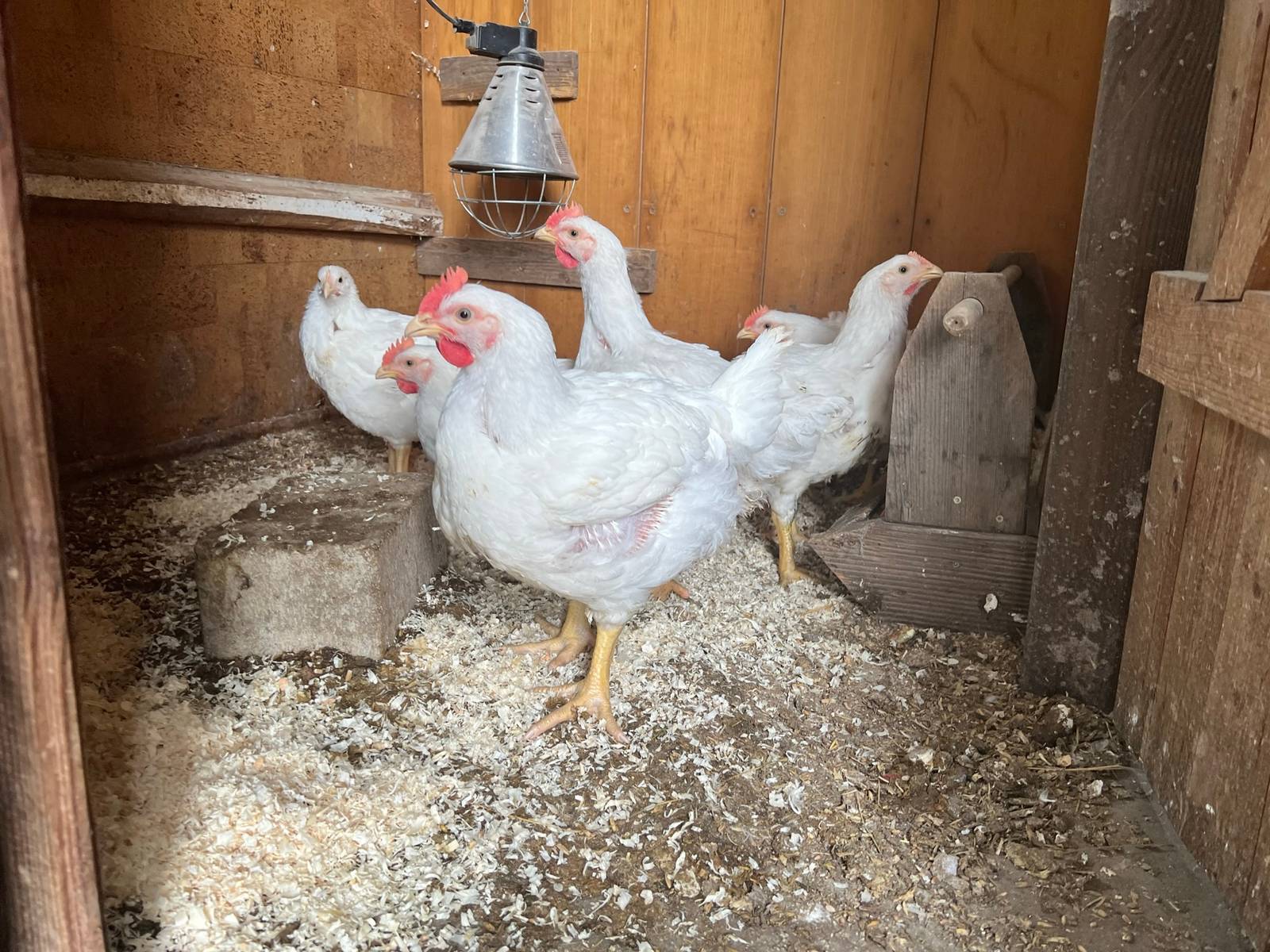
Building or Buying the Right Chicken Coop
The coop is the heart of chicken keeping. A poor coop means stress, disease and fewer eggs. A good coop keeps your workload low.
Size
Rule of thumb: 1 m² of coop space per 3 hens (minimum), ideally 1 m² per 2 hens. The coop is only for nighttime and bad weather – the run needs to be large enough to avoid pecking-order conflicts.
Roosting Bars
Chickens sleep on bars, never on the floor. The bars should:
- Be round or slightly flattened (approx. 4–5 cm diameter)
- Offer at least 30 cm of space per bird
- Be positioned higher than the nesting boxes (otherwise hens sleep in the boxes)
Nesting Boxes
Dark, quiet, easily accessible – that's what hens like when laying.
- 1 box per 3–4 hens
- Size: approx. 30 × 30 × 30 cm
- Straw bedding, changed regularly
- Raised above the floor, but lower than the roosting bars
Ventilation and Light
Good air circulation prevents respiratory diseases. Drafts, on the other hand, are dangerous. Vents at the top of the gable are ideal. Hens lay at their maximum with about 14 hours of daylight – in winter, a timer with LED light in the coop helps.
Securing the Run
Foxes dig – the fence must be buried at least 20–30 cm deep or fitted with a dig guard. Birds of prey fly – a net or roof over the run provides protection.
Build it yourself or buy one? A kit from a specialist retailer saves time but costs more. If you're handy: building it yourself from pallet wood or Douglas fir lasts for decades and is cheaper.