Chicken Health & Common Diseases
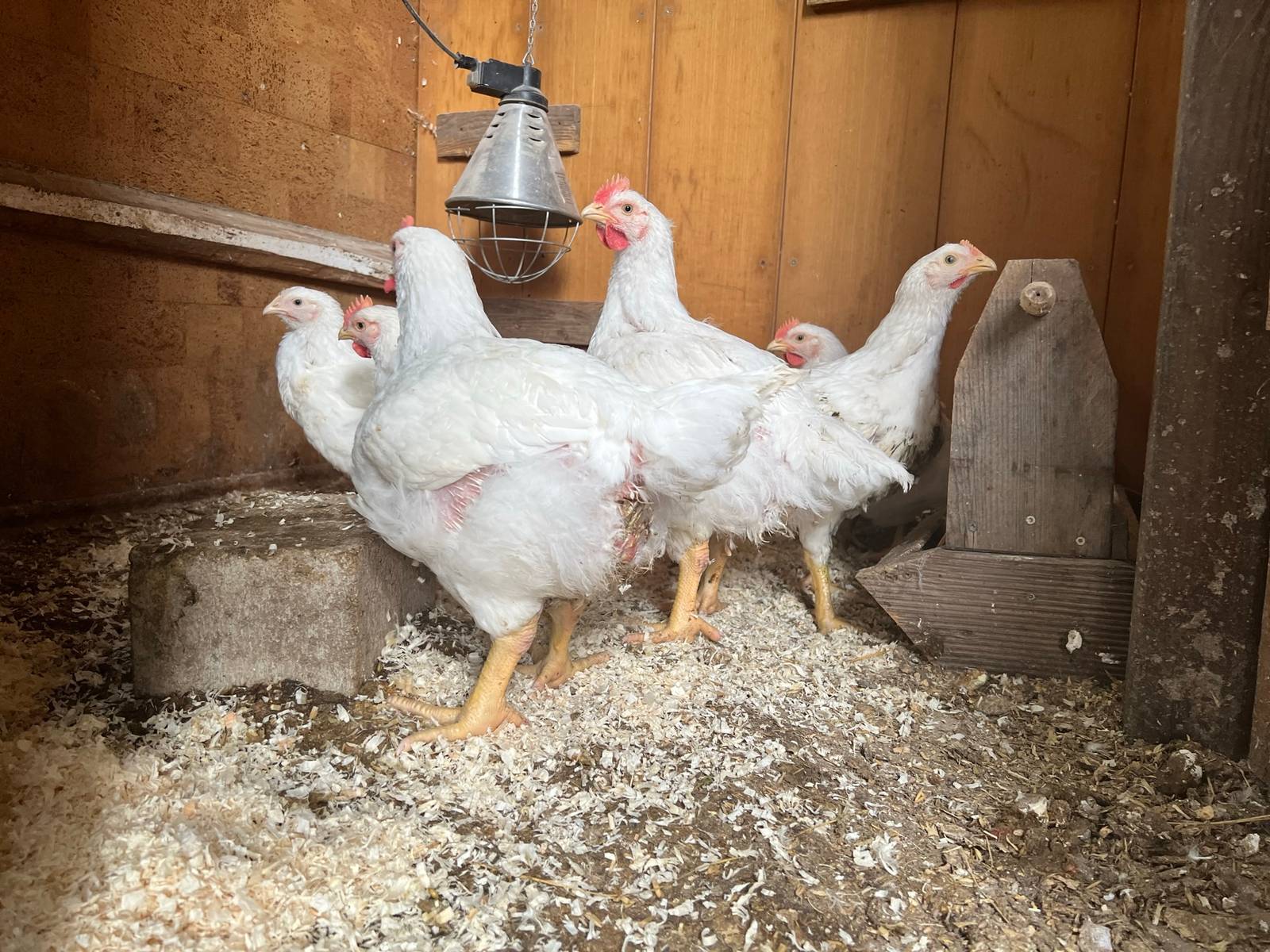
Health and Common Diseases in Chickens
Healthy chickens are active, have clean, glossy plumage and lay regularly. As soon as a bird seems listless, eats less, or its feathers look ruffled, it's time to act.
Red Mite (Dermanyssus gallinae)
The most common pest in chicken coops. The mites are active at night, feed on blood and make life hard for chickens.
Recognizing it: Chickens scratch a lot, plumage deteriorates, egg production drops. Check the coop's cracks and crevices at night with a flashlight – if you see red or grey crawling movement, you have them.
Control:
- Empty the coop completely and use hot steam (a pressure washer with hot water)
- Silica powder (diatomaceous earth) in all cracks
- Products like Exzolt via the drinking water (prescription only, requires a vet)
- Add wood ash or diatomaceous earth to the dust bath material
Worm Infestation
Roundworms and threadworms are common, especially when chickens have access to soil.
Recognizing it: Weight loss despite good feeding, mucous droppings, pale comb color. A stool sample at the vet can confirm it reliably.
Treatment: Deworm 1–2 times a year as a precaution, or when infested. Medication (e.g. Panacur or Flubenol) is prescription only and comes from the vet. Ask about the withdrawal period for the eggs – it varies from product to product and is stated on the package insert.
Respiratory Infection (Mycoplasmosis, CRD)
Chickens cough, have nasal discharge, and make rattling sounds when breathing. Encouraged by stress or drafts.
Treatment: Vet and prescription antibiotics – here too, mind the withdrawal period for the eggs. Eliminate drafts in the coop. Isolate sick birds.
Feather Loss / Pecking
Feather pecking arises from boredom, overcrowding or protein deficiency.
Remedy: More space, enrichment (hanging cabbages, pecking blocks), increase protein in the feed.
Prevention
- Always keep a dust bath available – chickens clean themselves with it
- Keep the coop clean: replace bedding weekly, scrape the droppings board daily
- Quarantine new birds for 2 weeks before joining the flock
- Know a vet experienced with poultry nearby – not all vets can treat chickens
Rule of thumb: Anyone who watches their chickens attentively for 2 minutes a day will spot problems before they become serious.