Winterizing the Garden: Fall Care for the Perfect Restart
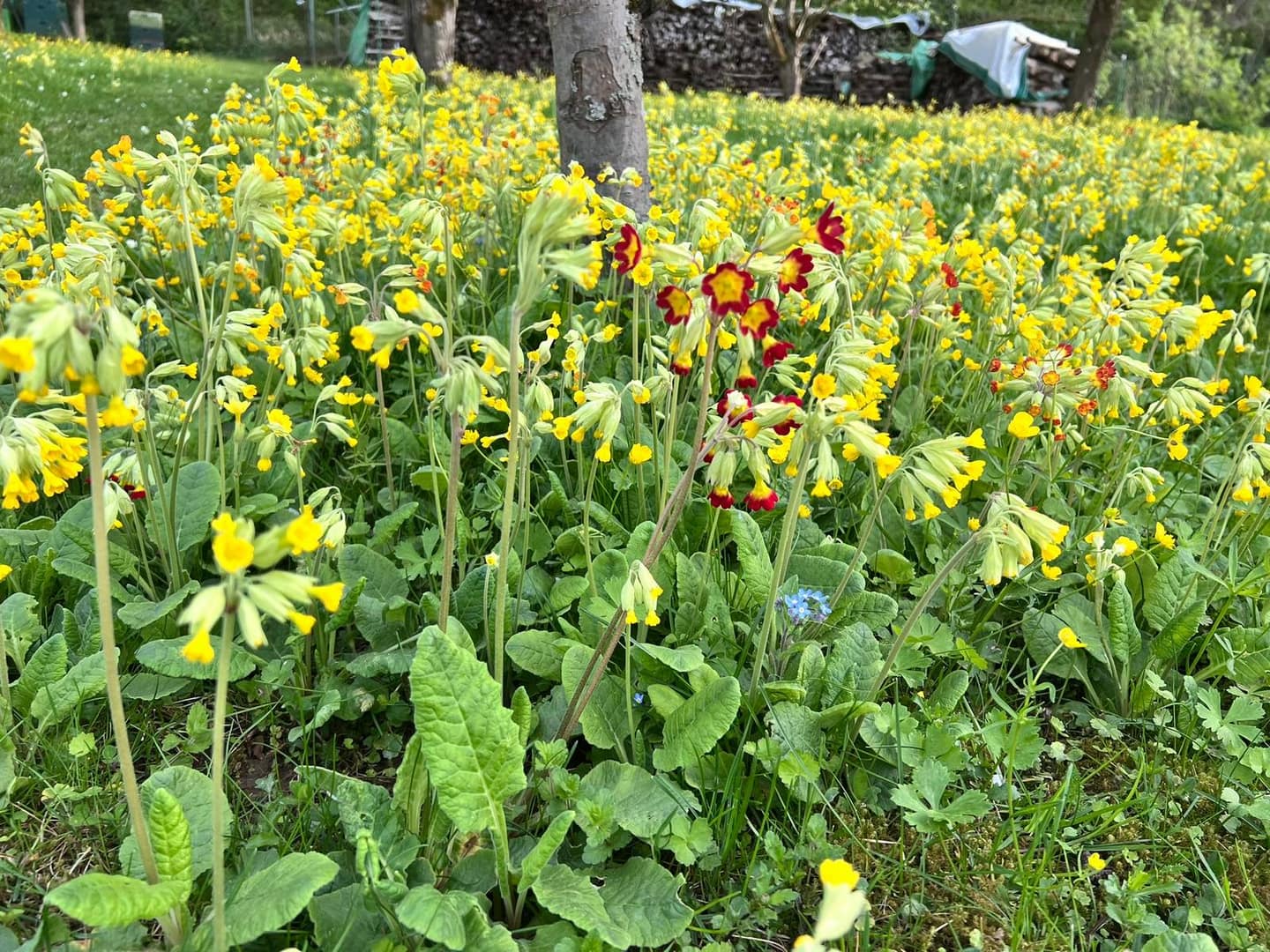
The garden in autumn – investing for spring
Autumn is the most productive time in the garden – not for harvesting, but for preparation. What's done well now pays off from March onward.
Month by month: what to do when?
September
- Bring in the last harvest (pumpkins, potatoes, onions)
- Clear tomato and cucumber beds, compost the remains
- Plant flower bulbs for spring (tulips, daffodils)
- Apply autumn lawn fertilizer (potassium-rich)
October
- Clear beds and mulch with compost
- Cut back perennials – but leave seed heads standing for the birds!
- Bring frost-sensitive potted plants into winter quarters
- Clean the greenhouse for winter
November
- Plant fruit trees and shrubs (best time!)
- Last lawn mowing – but not too short
- Frost protection for sensitive plants (fleece, brushwood)
- Clean, oil, and store garden tools
Soil preparation – the most important step
Apply compost: In autumn, spread 3–5 cm of compost on the beds – earthworms pull it in over winter and improve soil structure.
Sow green manure (September): Phacelia, winter rye, mustard – protects the soil from erosion, improves soil structure, and is dug in during spring.
Never let soil overwinter uncovered – rain washes out nutrients and soil structure suffers.
Overwintering potted plants
| Plant | Winter quarters | Temp. | Watering |
|---|---|---|---|
| Oleander | cool, bright | 5–10 °C | minimal |
| Fig | dark, frost-free | 0–5 °C | barely |
| Citrus plants | bright, cool | 8–12 °C | rarely |
| Geraniums | bright, cool | 8–12 °C | monthly |
A living garden in winter
Don't clear everything away – leave some for nature:
- Seed heads of perennials: food for birds
- Deadwood piles: overwintering shelter for hedgehogs and insects
- Leaves under shrubs: natural mulch and hedgehog shelter