Garden Design: Paths, Beds & Structure with Impact
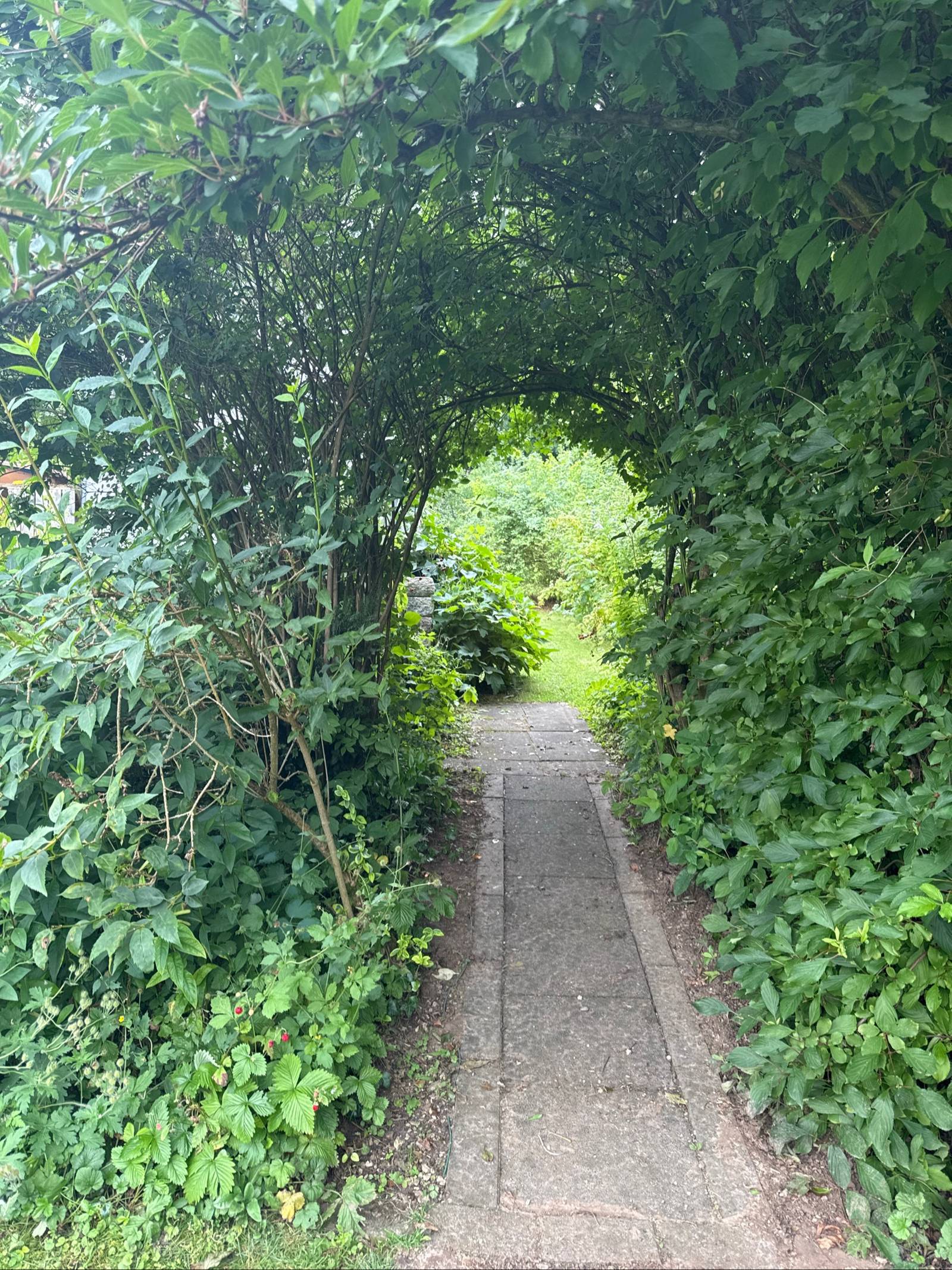
A beautiful garden doesn't happen by accident. Behind every garden that's both beautiful and practical lies an idea – a plan that brings paths, beds, zones, and plants together into a coherent whole. This article gives you the tools for garden design that works and looks good.
Think first, then dig
The most common design mistakes come from a lack of planning. Anyone who just starts planting in the first flush of spring enthusiasm ends up with a chaotic jumble after three years.
Taking stock before designing
What's already there?
- Existing trees, hedges, paths, buildings
- Sunny and shady zones (best observed across different seasons)
- Soil type and drainage
- Access points and sightlines from the house
What do you need?
- Kitchen garden / vegetable garden
- Seating area / patio
- Play area for children
- Storage space for tools
- Compost
Basic principles of garden design
1. Structure first – plants later
Structure comes from hard elements: paths, edging, walls, fences, pergolas. These stay visible all year round and give the garden a backbone even in winter.
Plants come afterward – they fill spaces, add color and texture, and change with the seasons.
2. Rhythm and repetition
Repeated elements create harmony. Three identical perennials spaced apart look more elegant than ten different ones crowded together. A bed that repeatedly uses grasses and perennials in the same ratio feels calmer than a mix without a concept.
3. Guiding sightlines
Every garden has natural focal points – from the house, from the garden gate, from the patio. Make sure these sightlines point to something beautiful: a striking tree, a seating spot, a sculpture, a fountain.
4. Mind the proportions
Beds wider than 1.2–1.5 m can no longer be maintained well without stepping into them. Paths need to be wide enough for a wheelbarrow (min. 60 cm), better 80–100 cm.
Paths: material and laying
Paths structure the garden and make it walkable – even in the rain. The right material depends on use and style.
Materials at a glance
Natural stone (limestone, granite, sandstone)
- Durable, elegant, fits almost any style
- Irregular slabs: natural character, good for stepping-stone paths
- Regular slabs: more modern, clean look
Concrete and concrete slabs
- Affordable, robust, versatile
- Modern: large-format concrete slabs with gravel bed or grass in between
Gravel and chippings
- Affordable, well-draining, low-maintenance
- Plan for weed fabric underneath
- Downside: gravel can scatter and needs topping up
Wood (decking boards, planks)
- Warm, organic, good for patios and boardwalks
- Treated wood or thermally modified wood for durability
Grass pavers / grass grid
- For occasionally driven-on paths (e.g. to the garage)
- Grass grows through, path stays walkable
Path layout
- Direct paths (straight line) = clearer, more formal style
- Curved paths = organic, invites exploration
- Stepping-stone paths = informal, for rarely used connections
Bed design
Bed shapes
Rectangular beds – easy to maintain, maximum usable area, ideal for vegetables Organic, curved beds – soft transition to the lawn, natural style Raised beds – ergonomic, less weeding, better drainage
Bed edging materials
- Corten steel (weathering steel): modern, durable, striking edge
- Concrete edging blocks: affordable, robust
- Wood palisades: natural, easy to install
- Dry-laid natural stone: elaborate but beautiful
Layers in the bed (from bottom to top)
- Weed fabric (on problem soils) – not for vegetable beds!
- Drainage (for waterlogging): coarse gravel or lava rock
- Good soil: garden soil + compost (30/70 or 50/50)
- Mulch: bark mulch or straw – retains moisture, suppresses weeds
Creating zones: garden rooms
Large gardens are especially impressive when divided into garden rooms – areas with their own character, separated by hedges, pergolas, plantings, or changes in level.
Example zones
Kitchen garden zone: close to the house, in the sun, practically accessible. Raised beds or structured beds.
Relaxation zone: seating area, patio, pergola. Orient it south, with screening elements for privacy from neighbors.
Wild garden zone: natural corner with native perennials, stone piles, deadwood. For insects and hedgehogs. Needs little maintenance.
Orchard: separate area with trees, berries, lawn underneath. Can double as a shaded seating area.
Color and seasonality
A good garden has something to offer in every season – spring bloomers, summer splendor, autumn color, winter structure.
Spring: bulb flowers (tulips, daffodils, crocuses) Early summer: roses, geranium, sage High summer: perennials (coneflower, black-eyed Susan, agapanthus) Autumn: asters, sedum, grasses Winter: evergreens (boxwood, holly), grasses, ornamental grasses with frost
Color concept: limit yourself to 2–3 base colors per bed. Monochrome beds (various shades of blue, or all in white-silver) look particularly elegant.
Planning for maintenance
The most beautiful garden is useless if it needs more care than you have time for. So plan ahead at the design stage:
- Mulching saves watering and weeding
- Perennial plants instead of annual summer flowers (less replanting)
- Automatic irrigation (drip line in the bed) pays off from 50 m² upward
- Lawn edges need regular trimming – that's the difference between "well-kept" and "neglected"
Conclusion
Garden design is a process, not a one-time project. Start with a clear basic framework – paths, beds, zones – and develop the planting scheme step by step. A good garden is never "finished" – it grows along with you and your ideas.