Greenhouse: Seed Starting, an Early Start & Year-Round Use
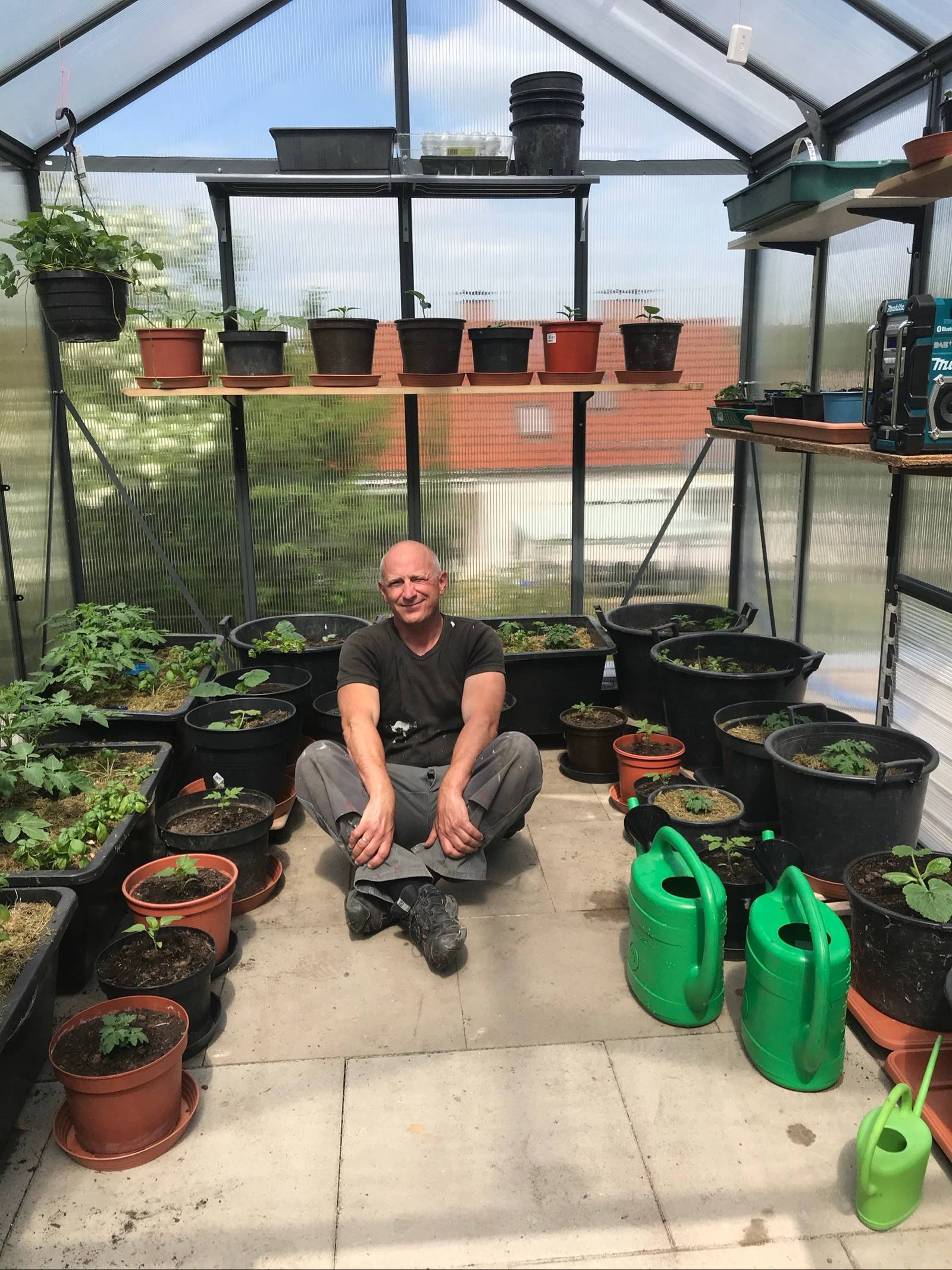
A greenhouse fundamentally changes the way you garden. It extends the season by weeks or even months, protects sensitive plants from frost and pests, and enables crops that simply wouldn't ripen outdoors in German climate zones. This article shows you how to make optimal use of your greenhouse – from propagation in February to overwintering in December.
Which greenhouse suits you?
Before you buy, it's worth thinking about size, material, and location.
Types of construction
Freestanding greenhouse The classic form – rectangular, freestanding, accessible from all sides. Ideal for larger gardens. Good ventilation possible from every side.
Lean-to greenhouse Built against a house wall or wall. Saves space, uses the stored warmth of the wall. Downside: ventilation only from one side.
Greenhouse tent / polytunnel The cheapest option, quick to assemble and dismantle. Doesn't withstand extreme temperatures and has a shorter lifespan than solid glass or twin-wall panels.
Materials
| Material | Advantages | Disadvantages |
|---|---|---|
| Single-pane glass | Clearest light transmission, durable | Heavier, more expensive, risk of breakage |
| Twin-wall sheets (polycarbonate) | Good insulation, lighter | Yellows after years, slightly less light |
| Film greenhouse | Affordable, light | Less durable, condenses heavily |
Choosing a location: the be-all and end-all
The greenhouse should:
- Face south (or east-west for maximum daylight exposure)
- Stand sheltered from wind, but not directly under trees (shading, leaf drop)
- Have level ground – avoid puddling and uneven warmth
- Have a water connection nearby – watering by hand takes time
The yearly calendar in the greenhouse
January/February: preparation & early propagation
Work begins now:
- Clean the greenhouse (panes, frames, benches) – algae buildup significantly reduces light transmission
- Prepare seed-starting soil and pots
- First sowings: peppers and chili have a long germination period – start in early February!
- Lighting: in cloudy weather with little natural light, a grow light (LED, 16 h/day) is worthwhile
March/April: main propagation
The busiest time:
- Sow tomatoes, eggplants, squash, cucumbers
- Transplant seedlings into larger pots
- Ventilate well during the day, cover young plants with fleece at night if needed
- Watch temperature fluctuations: below 12 °C most species barely grow
May: hardening off & planting out
- Gradually acclimate young plants to the outdoors: leave them outside for a few hours a day at first
- Plant out into the garden or raised bed after the Ice Saints (around May 15)
- In the greenhouse: tomatoes, cucumbers, peppers can now be planted out permanently
June–August: peak season
- Ventilate regularly: open side windows and roof vents to avoid waterlogging and overheating
- Provide shade above 30 °C – spray shading paint (lime wash) on the panes
- Watering: mornings and, if needed, evenings – even moisture prevents blossom end rot in tomatoes
- Fertilizing: tomatoes and peppers are heavy feeders – apply liquid fertilizer every 7–10 days
September/October: last harvest & transition
- Let the last tomatoes ripen, pick green fruit and let it ripen indoors
- Prepare the greenhouse for overwintering plants
- Autumn lettuce, spinach, lamb's lettuce, and radicchio can still be sown now
November/December: overwintering
- Bring in frost-sensitive potted plants (citrus, oleander, figs)
- Temperature: most overwintering plants need 5–10 °C, very little water
- Check the greenhouse structure, reduce snow load on polytunnels
The most important greenhouse crops
Tomatoes
The classic greenhouse plant. Indoors they can be planted earlier and ripen later into the season. Heavy feeders – work horn shavings into the soil, then apply a potassium-focused liquid fertilizer from fruit set onward.
Important: don't forget to remove side shoots – regularly pinch out the suckers between the main stem and side shoots.
Cucumbers
Love warmth (at least 18 °C at night) and high humidity. Plan for a climbing trellis. Regularly misting the leaves helps against spider mites.
Peppers & chili
Need a long growing season – sow early (January/February). Can stay in the greenhouse until October and still bear plenty.
Melons
For warmer greenhouses: sweet melons only ripen reliably under glass in our climate. Hang fruits in nets as they get bigger.
Common problems and solutions
Grey mold (Botrytis) Cause: too damp, poor ventilation Solution: improve air circulation, remove affected plant parts immediately
Whiteflies Hang yellow sticky traps, introduce beneficial insects (parasitic wasp Encarsia formosa)
Spider mites In dry, hot conditions – mist plants regularly, order predatory mites (Phytoseiulus persimilis)
Overheating Open roof and side vents wide, use shading paint, add fans if necessary
Heating: yes or no?
A heated greenhouse (also called a "warm house") allows year-round operation. A small heater (electric or propane) costs little to buy. Running costs for frost protection (5–8 °C) stay manageable – for true winter crops it gets more expensive.
Alternative: a double layer of film or bubble wrap as interior insulation – significantly reduces heat loss.
Conclusion
A greenhouse is one of the most worthwhile investments for passionate gardeners. With a bit of planning and a clear yearly calendar, you'll get the most out of it – from the first tomato seedlings in February to the last pepper harvest in October.