Building & Planting a Raised Bed: More Harvest in Less Space
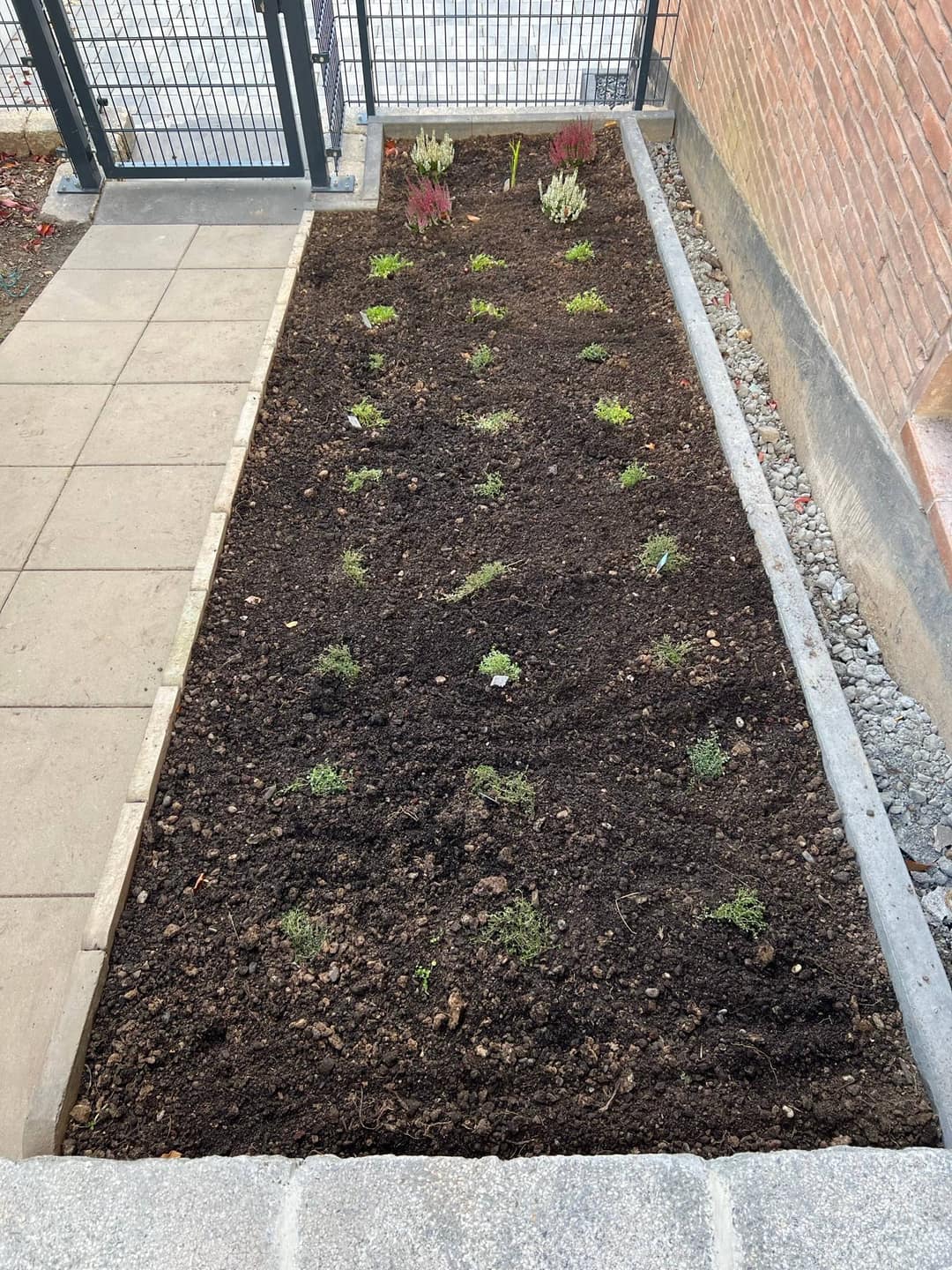
Raised beds – the powerhouse of the garden
Raised beds are an asset in any garden. The elevated position improves drainage, the compost inside gives off warmth, and weeding is easier. Yields are often 2–3× higher than in a flat bed.
The right size
- Width: max. 1.2 m – so you can comfortably reach the middle from both sides.
- Length: flexible, 2–4 m is practical.
- Height: 60–90 cm (back-friendly), at least 40 cm (so there's room for enough substrate).
Materials
- Wood: the most popular – untreated larch or Douglas fir are durable. No pressure-treated wood, due to contaminants!
- Metal (Corten steel, galvanized): modern and durable.
- Stone/concrete: durable, but more elaborate.
Filling (from bottom to top)
- Wire mesh on the bottom → keeps out voles
- Branches & coarse wood (10–15 cm) → drainage, structure
- Straw, leaves, unrotted material (15 cm) → decomposes and gives off warmth
- Mature compost mixed with topsoil (20–30 cm) → main root zone
- Fine compost/potting soil (10–15 cm) → seedbed quality on top
What to plant when?
Spring (March–April): lettuce, radishes, spinach, kohlrabi Summer (May–August): tomatoes, peppers, cucumbers, beans, zucchini Autumn (Sept.–Oct.): lamb's lettuce, arugula, autumn spinach, pak choi
Companion planting in the raised bed
Space is precious in a raised bed – make use of good plant neighbors:
- Tomatoes + basil + marigolds
- Cucumbers + dill + bush beans
- Carrots + onions + lettuce
Care
- Very nutrient-rich in the first year – hardly any fertilizing needed.
- Top up with 5–10 cm of compost every autumn.
- Renew completely after 5–7 years.