Collecting & Preparing Chestnuts: Roasting & More
Chestnuts – the underrated autumn treasure
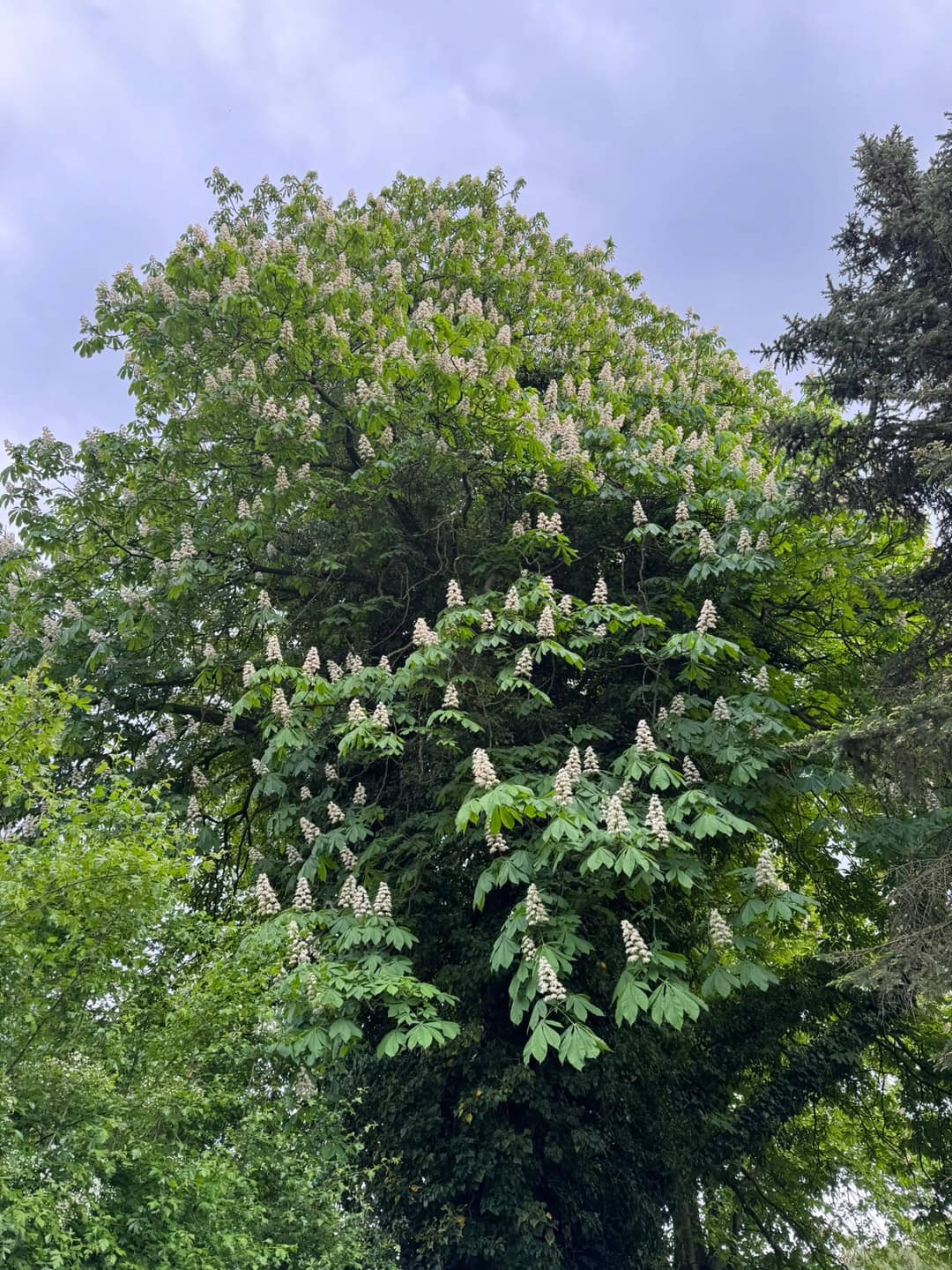
If you have a sweet chestnut tree (Castanea sativa) nearby, you can gather kilos of chestnuts in October. Important: sweet chestnut ≠ horse chestnut!
Sweet chestnut vs. horse chestnut
| Sweet chestnut | Horse chestnut | |
|---|---|---|
| Leaves | long, narrow, serrated, single | palmate, 5–7 leaflets |
| Fruit | 2–3 nuts in a spiny husk | 1–2 nuts in a soft husk |
| Spines | very dense, long, needle-sharp | sparse, short, blunt |
| Shape | flattened, with a point | round |
| Shell | brown, leathery, smooth | glossy brown |
| Edible? | Yes | No (poisonous!) |
Always check several features together – leaf, husk and nut. A single feature is not enough. If you are not sure, leave the fruit where it is: when in doubt, don't eat it.
Foraging & storing
Foraging: from October, once the husks split open and the fruit falls. Only collect ones lying on the ground – shaking the tree damages unripe fruit.
Fresh storage: cool and moist at 0–4 °C (vegetable drawer of the fridge) – keeps 2–4 weeks.
Freezing: score the chestnuts, blanch for 3 min., peel, freeze – keeps 1 year.
Roasting in the oven
The classic preparation method:
- Score the chestnuts crosswise (important – otherwise they burst explosively!)
- Roast on a baking sheet at 200 °C for about 20–25 minutes
- Peel while warm – the shell comes off more easily while still hot
Tip: alternatively, roast in a perforated cast-iron pan over an open fire.
Other uses
Chestnut soup:
- Purée cooked chestnuts with broth, onions, cream → creamy and flavorful
Chestnut purée:
- Purée soft-cooked chestnuts, refine with butter and milk
- A classic side dish for game and poultry
Chestnut flour:
- Grind dried chestnuts → gluten-free flour for cakes, crêpes, pasta
- Combine with wheat flour (30:70) for light baked goods
Chestnut syrup:
- Cook chestnuts until soft, reduce with equal parts sugar and water
- Ideal for desserts and cocktails