Maintaining & Storing Sourdough Starter
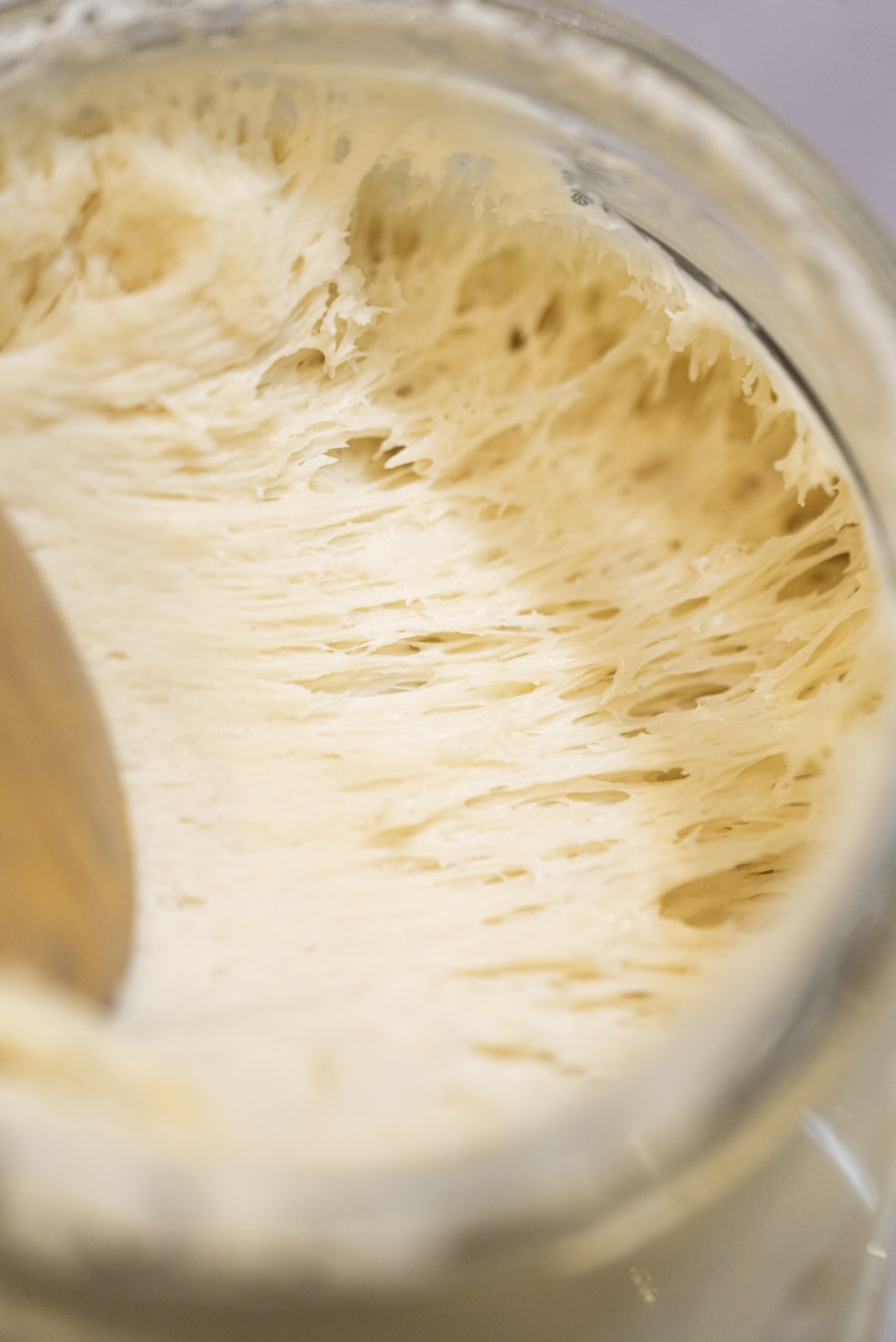
A sourdough starter isn't a pet – but it does need a bit of attention. The good news: once you understand the principle, you can bake for years without any problems.
Feeding Regularly – How Often?
That depends on where your starter lives:
| Storage location | Feeding interval |
|---|---|
| Room temperature (24 °C) | Daily |
| Fridge (4–6 °C) | 1× per week |
| Before baking | Refresh 8–12 hours ahead |
The Fridge Routine
- Take the starter out of the fridge
- Keep 50 g of starter, bake with or discard the rest
- Stir in 50 g flour + 50 g water
- Let it sit at room temperature for 1–2 hours, then back into the fridge
Regularly discarding some starter sounds wasteful – but it makes the starter more active: it dilutes the acid that has built up and the spent dough, and gives the yeasts and lactic acid bacteria fresh food.
Reactivating After a Break
If the starter hasn't been fed for 2–4 weeks:
- Day 1: Pour off the top layer (if present), 1 tbsp starter + 50 g flour + 50 g water
- Day 2: Feed again – activity should increase
- Day 3: Do the float test – if it floats, it's ready to bake with
For a very long break (months), simply feed for 3–5 days as you would when first starting a culture.
Signs It's Still Alive
- Bubbles after feeding → active
- Pleasant, sour smell → good
- Volume increase within 4–8 hours → ready to bake with
Warning Signs
- Pink, orange, or black mold → discard immediately, don't take the risk
- No sign of life after 5 days of feeding → probably too cold or the wrong flour
Long-Term Storage
For vacation or longer breaks: spread the starter thinly on parchment paper, let it dry, crumble it, and store it in a jar in a cool, dry place. Keeps for months. Reactivate with water and fresh flour.
Starter Planner (in the Ernterei app)