Flour Basics for Bread Bakers
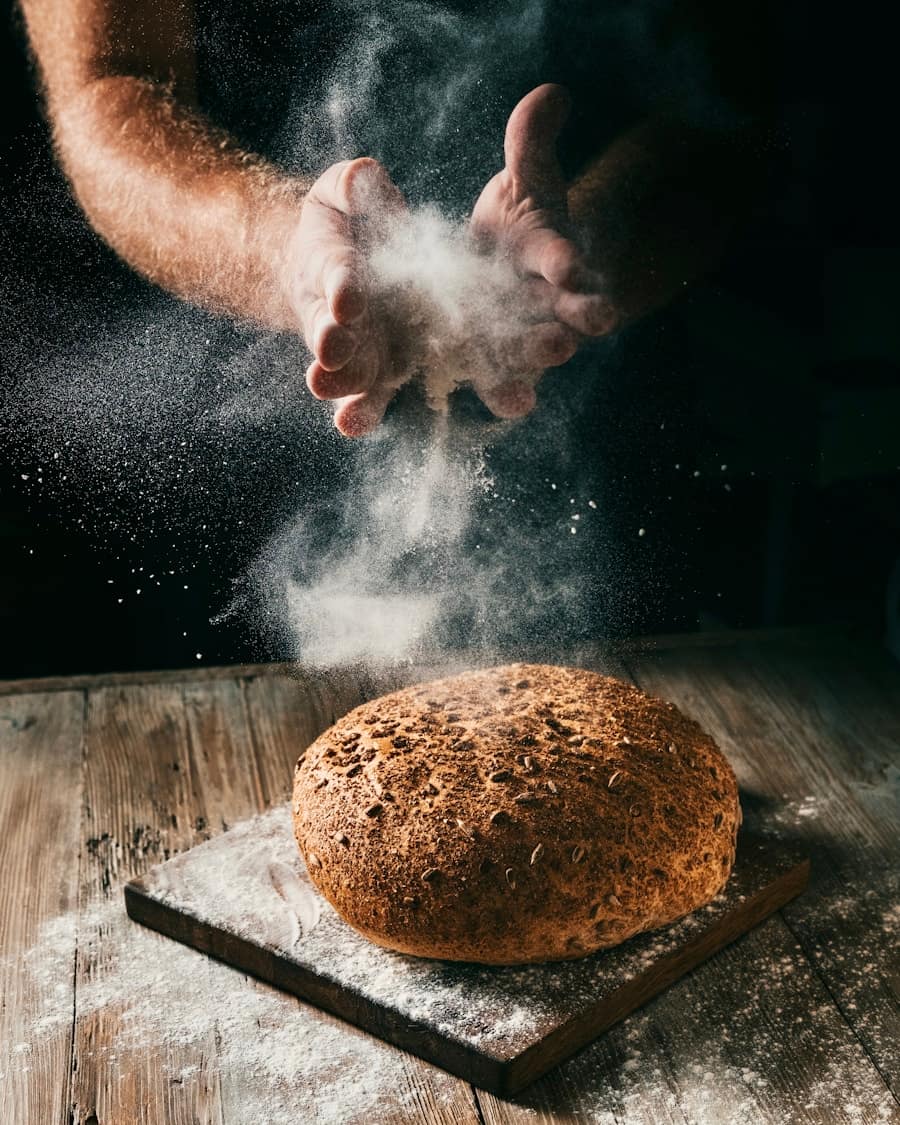
Anyone who bakes regularly eventually stands in front of a shelf with ten different types of flour. The type numbers sound cryptic – but they aren't.
What the Type Number Means
The number indicates how much mineral content (ash) is contained in 100 g of dry matter – measured in milligrams. The higher the number, the more of the outer grain husk is included, and the darker and more nutrient-rich the flour.
| Type | Flour | Properties | Suited for |
|---|---|---|---|
| 405 | Wheat flour | Very light, fine, low gluten | Cakes, pastries |
| 550 | Wheat flour | Light, good gluten | Rolls, light breads, pizza |
| 630 | Spelt flour | Light, flavorful | Spelt bread, rolls |
| 812 | Wheat flour | Medium, more robust | Mixed breads |
| 1050 | Wheat flour | Dark, lots of flavor | Rustic breads, mixed breads |
| 1150 | Rye flour | Robust, good for sourdough | Rye bread, mixed bread |
| 1370 | Rye flour | Dark, intense | Dark rye bread |
| Whole grain | Wheat/rye/spelt | The entire grain, unsifted | Whole grain breads, sourdough |
Whole Wheat Flour vs. Whole Wheat Meal
Whole wheat flour is finely milled – as easy to bake with as regular flour, but with the whole grain included.
Whole wheat meal is coarsely cracked – makes the bread denser and needs more water.
Which Flour for Sourdough?
Rye flour (1150 or whole grain) works best for a starter, because the outer layers of the grain contain especially many wild yeasts and bacteria.
For wheat breads with sourdough: type 550 or 812 – a good compromise between rising power and flavor.
Gluten – Important for Wheat Doughs
Wheat flour contains considerably more gluten than rye flour – spelt has about as much as wheat, its gluten is just weaker. Gluten forms the dough's structure, which holds gases and enables oven spring. The higher the type number for wheat flour, the less gluten – but the more flavor.
Spelt flour note: Spelt does have gluten, but it's more delicate – don't knead it too long or too intensely, or the dough structure will tear.