Bay laurel in a pot: care, overwintering and harvest
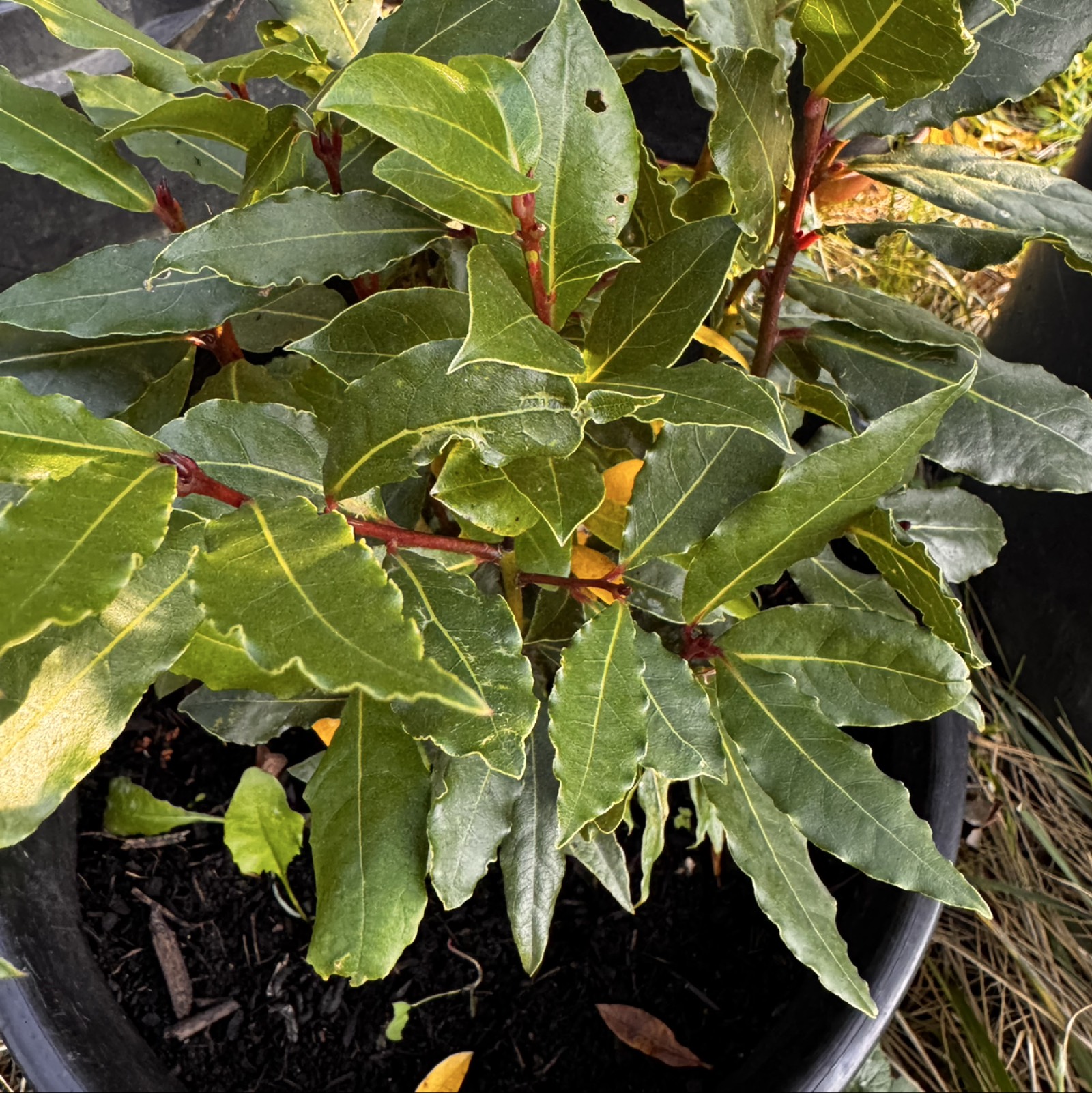
The bay leaf in soups, stews and brines comes from true bay laurel (Laurus nobilis), an evergreen tree from the Mediterranean. It does well in a pot and can be pruned into shape.
Caution: cherry laurel is something else
Cherry laurel (Prunus laurocerasus) is a common hedge shrub with similarly glossy, leathery leaves – but despite its name it is not a laurel. According to the Bonn Poison Centre, all parts of cherry laurel are poisonous, especially the leaves and seeds; they contain cyanogenic glycosides.
For cooking, only use leaves from a plant that was bought as true bay laurel – check for the botanical name Laurus nobilis on the label. If you are unsure where a plant came from, do not use its leaves.
Position and care
- Sunny to partly shaded, happy on a patio or balcony in summer
- Free-draining soil, avoid waterlogging; water regularly in summer, sparingly in winter
- Tolerates pruning well – this keeps it compact
Overwintering
- Not reliably hardy in most parts of Germany
- Overwinter bright and cool, but frost-free, for example in a stairwell, conservatory or a frost-free garage with a window
Harvest and storage
- Leaves can be picked all year round; older, well-developed leaves have more aroma
- To dry, spread them out in an airy, shady place, then store in a dark, tightly closed jar
Sources
- Poison Information Centre NRW / Bonn: Kirschlorbeer, accessed 5 Oct 2026
The sources support individual statements in this article. The organisations named have neither reviewed nor endorsed it.