Peppermint – Growing, Harvesting, and Enjoying It All Year
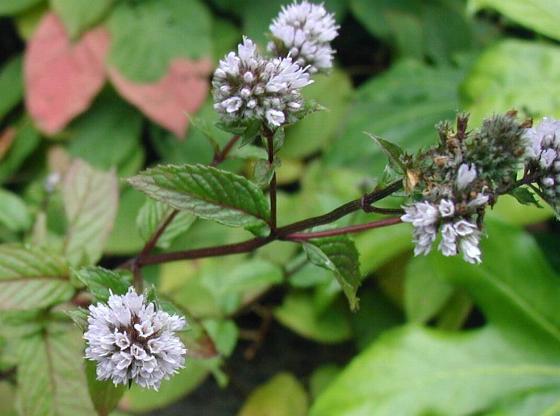
Peppermint (Mentha × piperita) is one of the best-known medicinal plants in the world – and also one of the most rewarding to grow in your own garden. Once planted, it comes back reliably year after year.
Active compounds and their traditional uses
Peppermint contains:
- Menthol – cooling, antispasmodic, expectorant
- Menthone & menthyl acetate – antibacterial, digestive-supporting
- Flavonoids & tannins – anti-inflammatory
Traditional uses: digestive complaints, headaches, colds, concentration.
⚠️ Important before planting
Peppermint spreads aggressively and crowds out other plants. Always plant it in a pot or with a root barrier – otherwise it will take over the whole bed within a single season.
Growing & location
Location: Partial shade to full sun, moist, humus-rich soil.
Propagation: Not from seed – peppermint is a hybrid and does not come true from seed. Instead: buy runners, cuttings or divided plants.
Pot: At least 20 cm deep, with a drainage hole. Water regularly, never let it dry out completely.
Overwintering: Hardy down to about -15°C. Move potted plants somewhere protected, cover outdoor plants with a bit of mulch.
When & how to harvest
Best harvest time: May to September, just before or during flowering – that is when the menthol content is highest.
How: Cut the shoots back by about a third. Do not cut too deep, always leave a few pairs of leaves standing. This encourages bushy regrowth.
Tip: Harvest in the morning after the dew has settled – that is when the essential oils are most concentrated.
Uses
Tea – 2–3 fresh or dried sprigs, steep for 5–7 minutes. Do not boil it, that destroys the essential oils.
Kitchen – summer drinks, desserts, salads, lamb dishes, pesto.
Traditional home remedies – peppermint oil on the temples is traditionally used for headaches, a steam bath for colds.
⚠️ Not for babies and toddlers: menthol and peppermint oil must not be used around their face – neither as a steam bath nor as a rub. They can trigger a spasm of the larynx and even respiratory arrest.
Drying & storage
Bundle the sprigs and hang them upside down in an airy, shaded spot – not in the sun, or the essential oils will evaporate. After about 1–2 weeks they will be dry; then strip the leaves and store airtight. Keeps for 1–2 years.
Freezing also works well: wash the leaves, dry them, and freeze in portions.