Dandelion – Wild Greens, Salad and Root Coffee
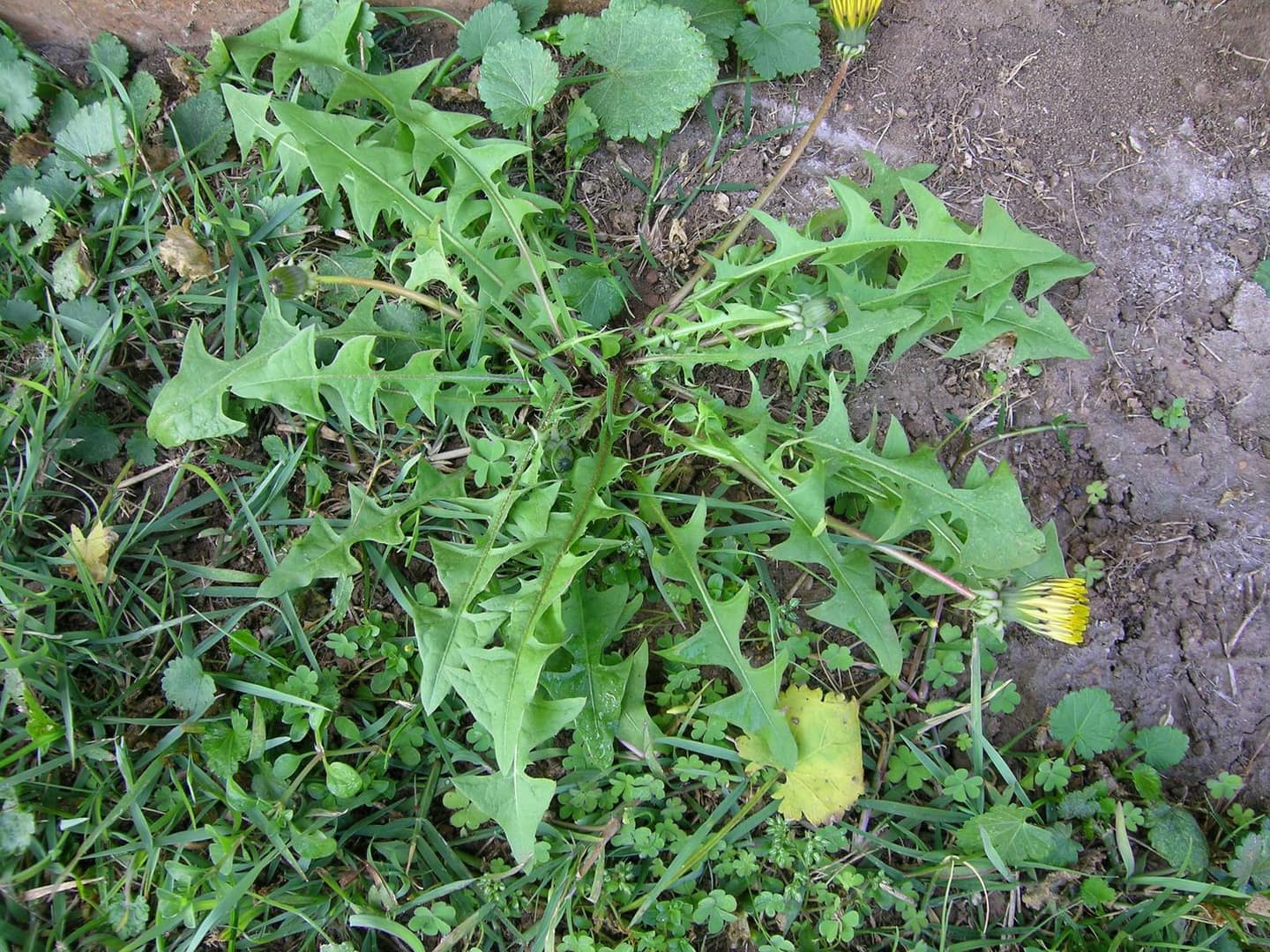
Dandelion (Taraxacum officinale) is probably the best-known "weed" of all – and at the same time one of the most versatile wild plants in Central Europe. Leaves, flowers and roots are all edible, free, and long established in folk medicine.
Active compounds and their traditional uses
Dandelion contains:
- Bitter compounds (taraxacin, taraxacerin) – stimulate the liver, gallbladder and digestion
- Inulin (especially in the root) – a prebiotic that supports gut health
- Vitamins A, C, K – a notable vitamin A content for a leafy green, even though it stays below that of carrots
- Potassium, calcium, iron
- Flavonoids – anti-inflammatory, antioxidant
Traditional uses: supporting digestion, relieving the liver, mild diuresis, spring detox cures, blood sugar regulation.
Blood sugar, though, is not something to experiment with on your own: if you take medication for diabetes, talk to your doctor before trying a cure like this.
⚠️ Notes
- Dandelion is considered diuretic – hence the folk name "wet-the-bed". Do not drink large amounts in the evening.
- If you have gallstones or gallbladder problems, check with a doctor first – the effect on bile flow can trigger symptoms.
- Only collect from unsprayed locations – dandelion absorbs pollutants from the soil.
When & where to harvest
Leaves: March to October. Young leaves in spring are the most tender and mildest – older leaves turn more bitter. If you prefer it milder: cover the leaves for a few days before harvesting (blanching), which reduces the bitter compounds. Before flowering, the rosettes of other daisy-family plants look much alike – among them ragwort and its relatives, whose pyrrolizidine alkaloids damage the liver. Dandelion leaves release white milky sap where they break, and the hollow flower stalk is leafless and carries a single head – ragworts have no milky sap and put up leafy, branched stems with many small heads. Check several features together, and if one doesn't fit, leave the plant standing.
Flowers: April to June, on sunny days when they are fully open.
Roots: Autumn (October/November) or early spring – that is when the inulin content is highest.
Where: Meadows, gardens, roadsides – but not directly next to roads, dog-walking paths or fertilized areas.
Use in the kitchen
Leaves:
- Young salad – with bacon, egg and mustard dressing (a classic spring recipe)
- Smoothie – with apple and ginger, which softens the bitterness
- Steamed like spinach – briefly tossed in butter
Flowers:
- Dandelion honey (jelly) – simmer flowers with lemon and sugar, strain, reduce. Surprisingly close to real honey.
- Raw flowers scattered over salads
- Baked into pancake batter
Roots:
- Roasted as a coffee substitute – wash the roots, chop small, roast, grind. Caffeine-free and full of flavor.
- Steamed as a vegetable (young and tender)
As a medicinal herb
Spring cure tea – fresh or dried leaves and roots, steep for 5–7 minutes. It is traditionally said to stimulate the liver and gallbladder and to drain fluids gently.
Fresh juice – juice the leaves, 1–2 tablespoons daily as a spring cure. Intensely bitter.
Drying & storage
Leaves: Dry at max. 40°C, store in the dark. Keeps for 1 year.
Flowers: Dry quickly at 35°C – otherwise they close up and mold easily.
Roots: Wash, slice, dry at 40–50°C. Keeps for 2 years.