Rosemary – A Mediterranean Kitchen Herb for Bed and Pot
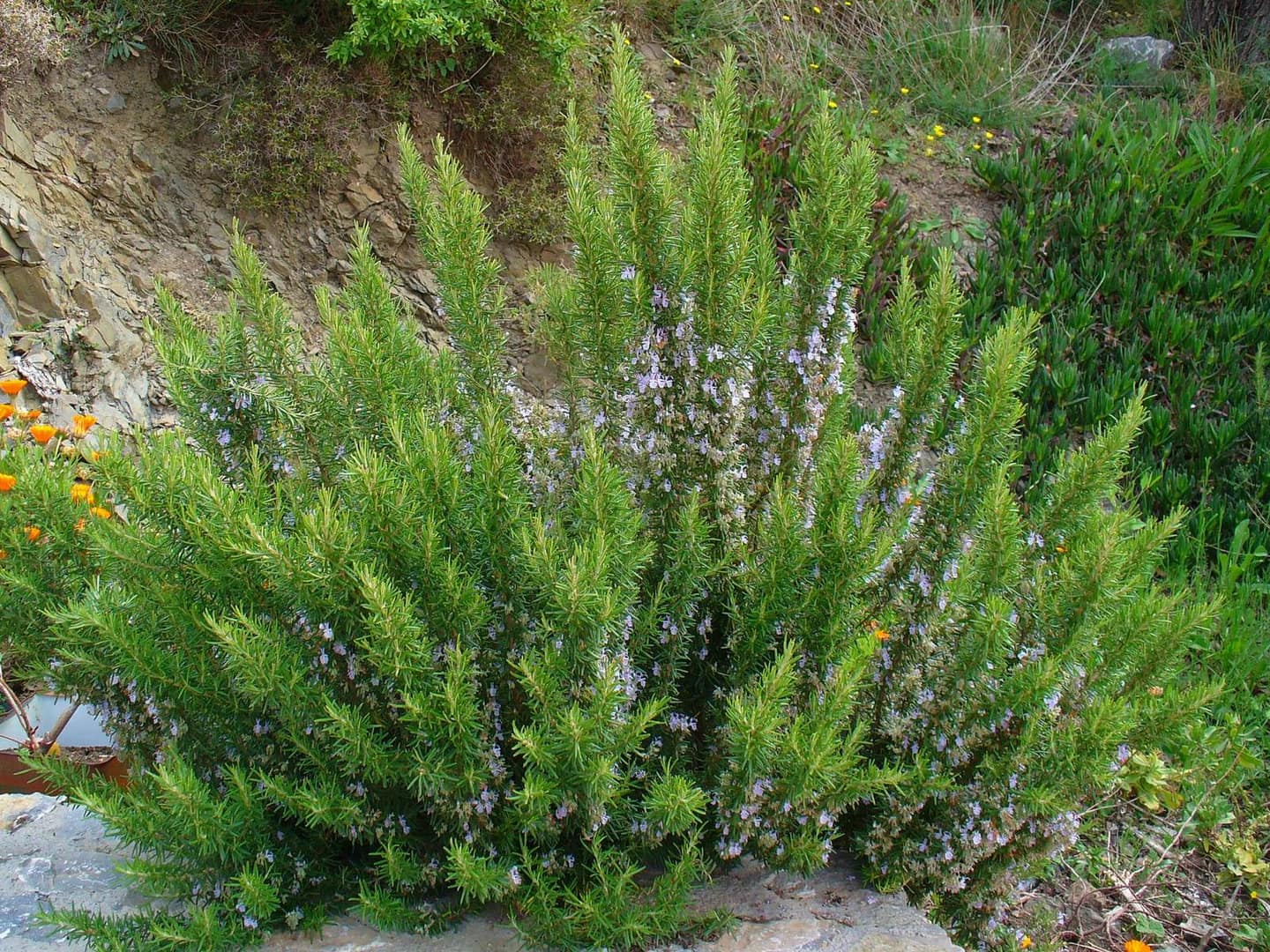
Rosemary (Salvia rosmarinus, formerly Rosmarinus officinalis) comes from the Mediterranean and loves sun, warmth and dry soil. It is popular in Germany – but many people lose it every winter. With the right knowledge, that does not have to happen.
Active compounds and their traditional uses
Rosemary contains:
- Rosmarinic acid – strongly antioxidant, anti-inflammatory
- Camphor & cineole – improves circulation, expectorant
- Essential oils – antibacterial, boosts concentration
- Flavonoids – protective for liver and blood vessels
Traditional uses: supporting circulation, concentration, digestion, muscle pain (external use), circulatory problems.
⚠️ Winter protection – the critical point in Germany
Rosemary is only partly winter-hardy. It tolerates brief frosts down to about -10°C, but:
- Waterlogging is more deadly than cold – wet roots in winter are the most common cause of death
- Clear frost with wind dries out the evergreen needles while the frozen roots cannot supply water – the plant essentially dies of thirst
- Potted plants are more frost-sensitive than plants in the ground and need to come indoors at around -5°C (a cool, bright room, water sparingly)
Protective measures outdoors: choose a spot against a south-facing wall, cover the roots with mulch, protect with fleece during hard frost.
Growing & location
Location: Full sun, very well-draining soil – the sandier the better. Avoid waterlogging at all costs.
Planting: From May outdoors, after the last spring frosts. Do not plant too deep.
Pot: At least 30 cm deep, with a drainage layer of gravel. Terracotta pots are better than plastic – they dry out faster.
Fertilizing: Barely necessary. Too much fertilizer makes the shoots soft and more frost-prone.
Propagation: Easiest via cuttings in summer – a 10 cm shoot, remove the lower leaves, place in potting soil.
When & how to harvest
Best harvest time: March to October, just before flowering is when the active compound content is highest.
How: Only harvest the soft shoot tips (10–15 cm), never cut into old wood – it will not sprout again. Take a maximum of one third of the plant at a time.
In winter: Rosemary can also be harvested in winter as long as it is not frozen – but sparingly, the plant needs its strength.
Use in the kitchen
Rosemary is powerful – less is often more.
Classics: Lamb, potatoes, focaccia, olive oil, grill marinades.
Rosemary oil – steep fresh sprigs in good olive oil for 2–4 weeks. Great for salads and dipping.
Rosemary salt – finely chop fresh needles, mix with coarse sea salt, let dry. Keeps for months.
Use as a medicinal herb
Tea – 1 tsp dried needles, steep for 5 minutes. Traditionally regarded as stimulating for circulation and digestion. Do not drink it in the evening – it can be stimulating.
Rosemary bath – a handful of fresh sprigs in hot water, steep for 20 minutes, add to the bathwater. Traditionally used for muscle pain and exhaustion.
Rubbing oil – rosemary oil or tincture is traditionally applied externally for tension and circulation complaints.
⚠️ Notes on use
Do not use rosemary in medicinal doses during pregnancy – it can stimulate contractions. As a culinary spice in normal cooking amounts it is safe.
Essential rosemary oil is far more concentrated than tea or the culinary herb: avoid it if you have high blood pressure or epilepsy, and check with a doctor if you are unsure.
Drying & storage
Bundle the sprigs and hang upside down in an airy, shaded spot. Alternatively, strip the needles from the sprigs and dry in a dehydrator at max. 40°C.
Stored dark and dry: keeps 1–2 years. Freshly frozen sprigs retain their flavor better than dried ones.