Figs in the garden: planting, overwintering, harvesting
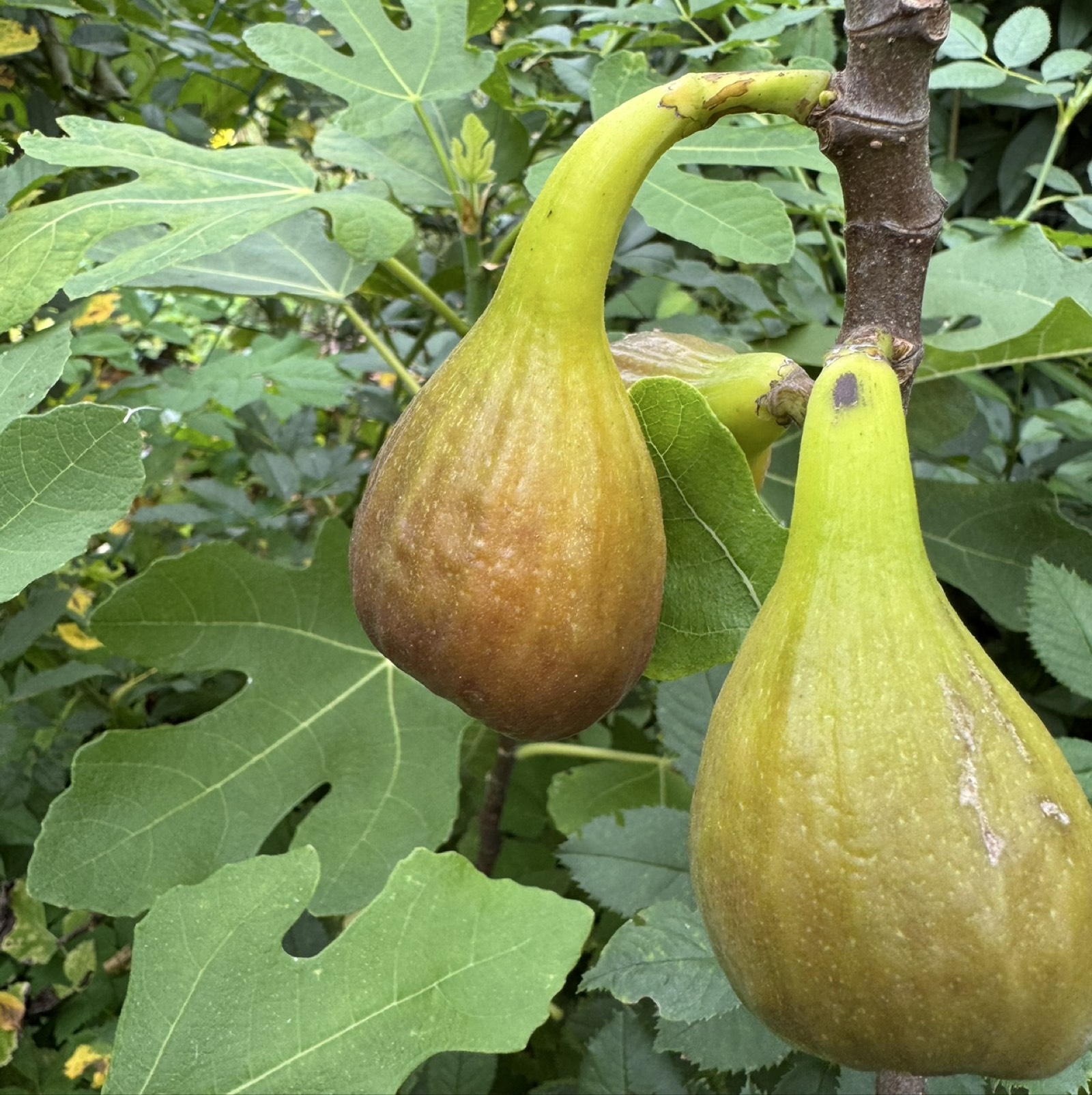
The fig tree comes from the Mediterranean. In a warm, sheltered spot and with a hardy variety, however, it also bears fruit in many parts of Germany.
Variety and location
- Variety: For Central Europe, hardy self-fertile varieties are available that set fruit without pollination by a wasp species – look out for this when buying
- Location: Full sun in front of a south- or west-facing wall that stores heat, and sheltered from the wind
- Pot: In harsh locations a pot is the safer choice, as it can be overwintered frost-free
Overwintering
- Planted out: Mulch the root area and protect the crown with fleece in severe frost; shoots that freeze back often resprout from the wood
- In a pot: Overwinter in a cool, frost-free place, light or dark, and water only sparingly
Harvest
Ripe figs are soft, give to pressure and hang down slightly. They hardly ripen after picking – so only pick them ripe.
Good to know
Fig trees contain a milky sap. The Bonn Poison Information Centre classes Ficus species – to which the fig belongs – as slightly toxic: the leaves, possibly all parts of the plant, are toxic. The sap can cause mild irritation of the mucous membranes; stomach and gut upset has been described after swallowing, and more serious symptoms with large amounts. So wear gloves when pruning. The ripe fruit is an ordinary food.
Storing
Once ripe, store figs in the fridge and eat them soon (BZfE (German Federal Centre for Nutrition), "Richtig lagern" (as of 20 Feb 2025)).
Sources
- Poison Information Centre NRW / Bonn: Gummibaumarten (Ficus) – Feigenbaum, accessed 5 Oct 2026
- German Federal Centre for Nutrition (BZfE): Richtig lagern, as of 20 Feb 2025, accessed 5 Oct 2026
The sources support individual statements in this article. The organisations named have neither reviewed nor endorsed it.