Winterizing Your Bee Colonies
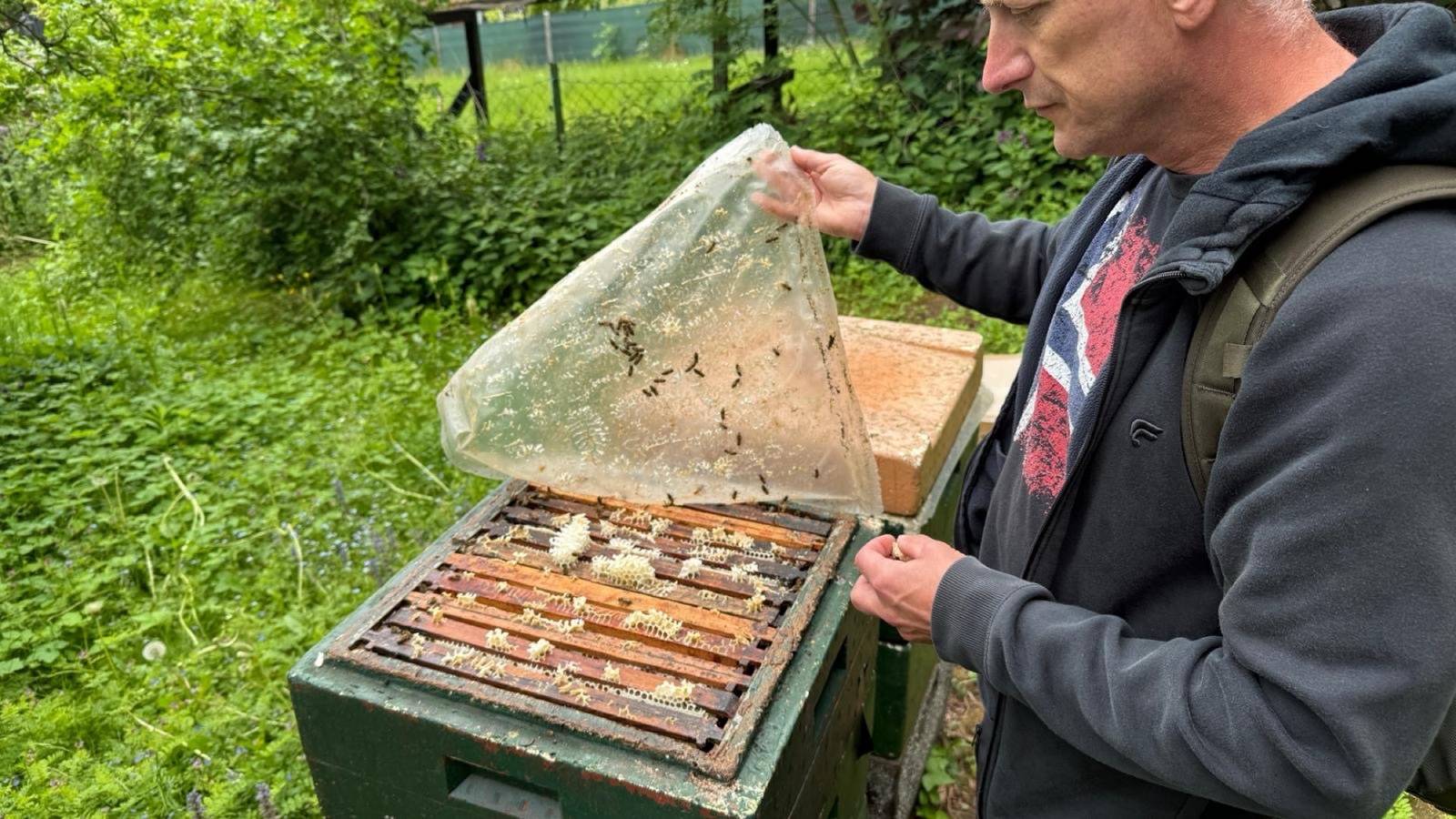
Getting your bee colonies ready for winter
Autumn is when it's decided whether your colonies will come through the winter healthy. If you take the right steps at the right time, you'll cut winter losses considerably – they can never be ruled out entirely – and you'll go into the new season strong.
The right time
Winter preparation begins after the last harvest – usually late July to mid-August. From then on, the honey stays in the colony. The bees start rearing winter bees: long-lived individuals with special fat bodies that can live for up to 6 months.
Varroa treatment in late summer and winter
The most important step: after the last harvest, an effective varroa treatment must take place. Without an effective treatment, too many mites survive and damage the freshly reared winter bees.
Proven methods:
- Oxalic acid trickling once broodless, in December/January (most effective)
- Oxalic acid vaporizing likewise only in a broodless colony – oxalic acid does not reach mites under capped brood; use only preparations approved for it
- Formic acid in August, at temperatures below 30 °C
Feeding
A colony needs about 15–20 kg of food for the winter. If honey was taken, the food must be replaced.
- Sugar water 2:1 (2 kg sugar to 1 L water) in large feed troughs
- Finish by mid-September – the bees need time to evaporate the water
- Check the amount of food and top up if needed
Mouse guards & winterizing
A mouse guard with an 8 mm mesh in front of the entrance protects the colony – bees fit through easily, mice don't.
Reduce the entrance size to 5 cm in winter. Less draft, less robbing.
Check colony strength: at least 5–6 combs covered with bees. Weak colonies survive the winter poorly. Uniting two weak colonies is better than losing both.
Ventilation instead of warmth
Damp air is more dangerous than cold. Mesh floors (open or lightly restricted) help. Don't put a sheet of plastic over the boxes – condensation promotes mold and nosema.
Respect the winter rest
Don't open the hive as long as temperatures stay below 10 °C. The winter cluster breaks apart and can no longer warm itself properly. Only intervene briefly in an absolute emergency (risk of starvation) – place feeding paste or fondant directly on top.
Tip: Give the hive a gentle knock in winter. A deep, calm hum means everything is fine. Silence or a frantic rustling sound can indicate problems.