Processing Beeswax: Candles, Cosmetics & More
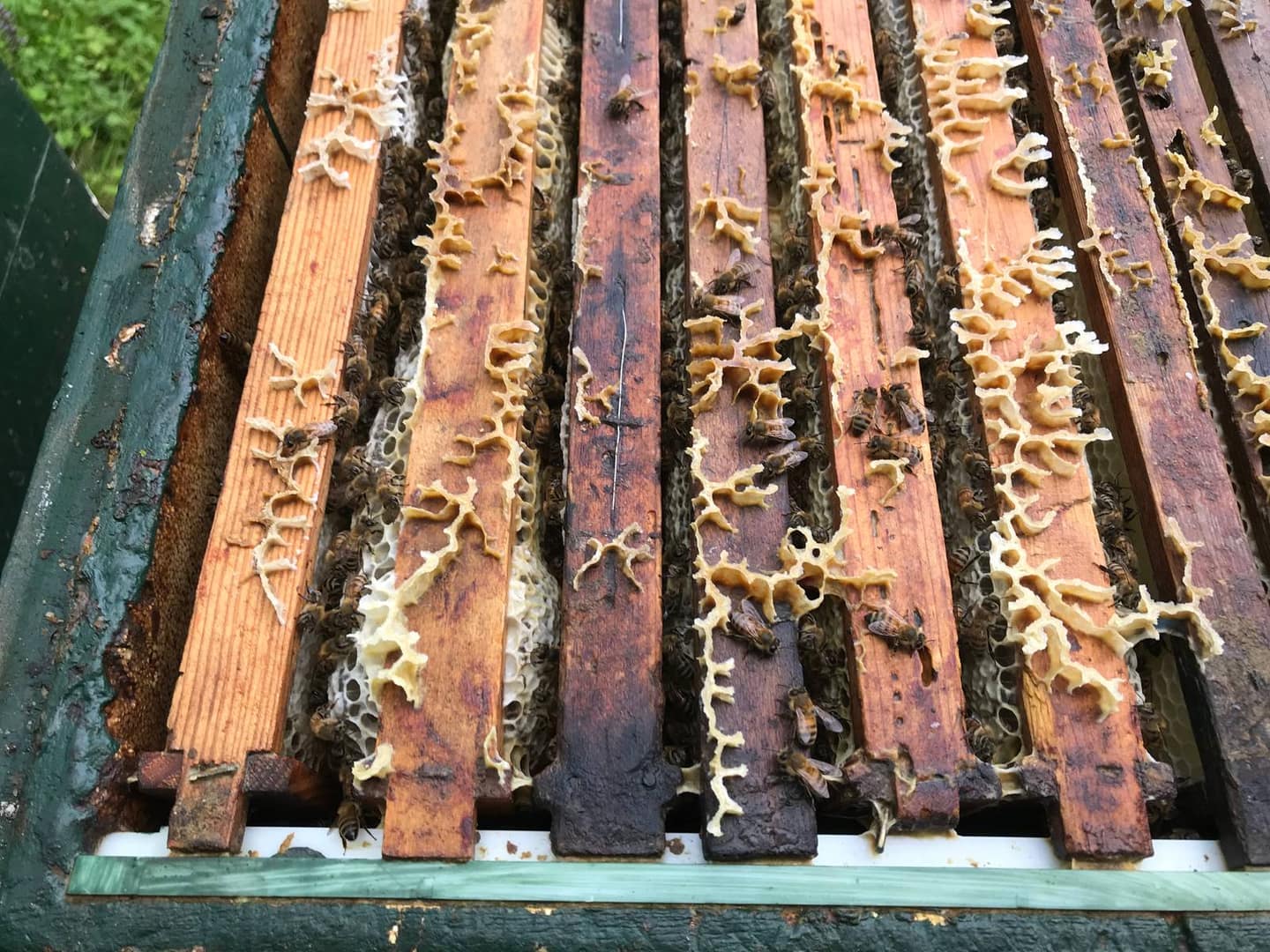
Beeswax is a versatile natural material – old combs, cappings wax and wax scraps can be turned into high-quality wax that is useful for all kinds of purposes.
Collecting and storing wax
Sources of wax over the beekeeping year:
- Cappings wax from uncapping at extraction time (the purest quality)
- Rendered-down old combs (dark, more contaminated)
- Wax crumbs and burr comb
Store wax somewhere dry and dark – it keeps almost indefinitely.
Melting wax down – step by step
- Break the wax into rough pieces
- Melt it in a water bath at max. 70–80 °C – never heat it directly (fire risk!)
- Filter it through a fine cloth or nylon stocking while still liquid
- Pour it into silicone molds or old tins
- Let it cool – the wax will shrink and come out easily
Cappings wax from white combs gives you light yellow, high-quality wax. Wax from old combs turns darker and contains more residue.
Ways to use it
Cosmetics and care
- Lip balm: wax + coconut oil + jojoba oil + essential oils
- Hand cream: wax + almond oil + calendula extract
- Leather waterproofing: work pure wax into the leather
Around the house
- Beeswax wraps as a replacement for cling film – according to the consumer advice centre not for raw meat and fish, because they cannot be washed hot (wax melts at about 62 °C). Wax from old combs can contain residues from varroa treatment – use only light cappings wax for this
- Lubricating door hinges and wood screws
- Pouring or dipping candles
Beekeeping
- Exchange it for foundation sheets at specialized suppliers
- Redeem the wax value at beekeeping trading posts
Sources
- Consumer Advice Centre NRW: Bienenwachstücher: Gibt es Bedenken?, accessed 5 Oct 2026
The sources support individual statements in this article. The organisations named have neither reviewed nor endorsed it.