Bee-Friendly Plants: The Best Forage Plants All Year Round
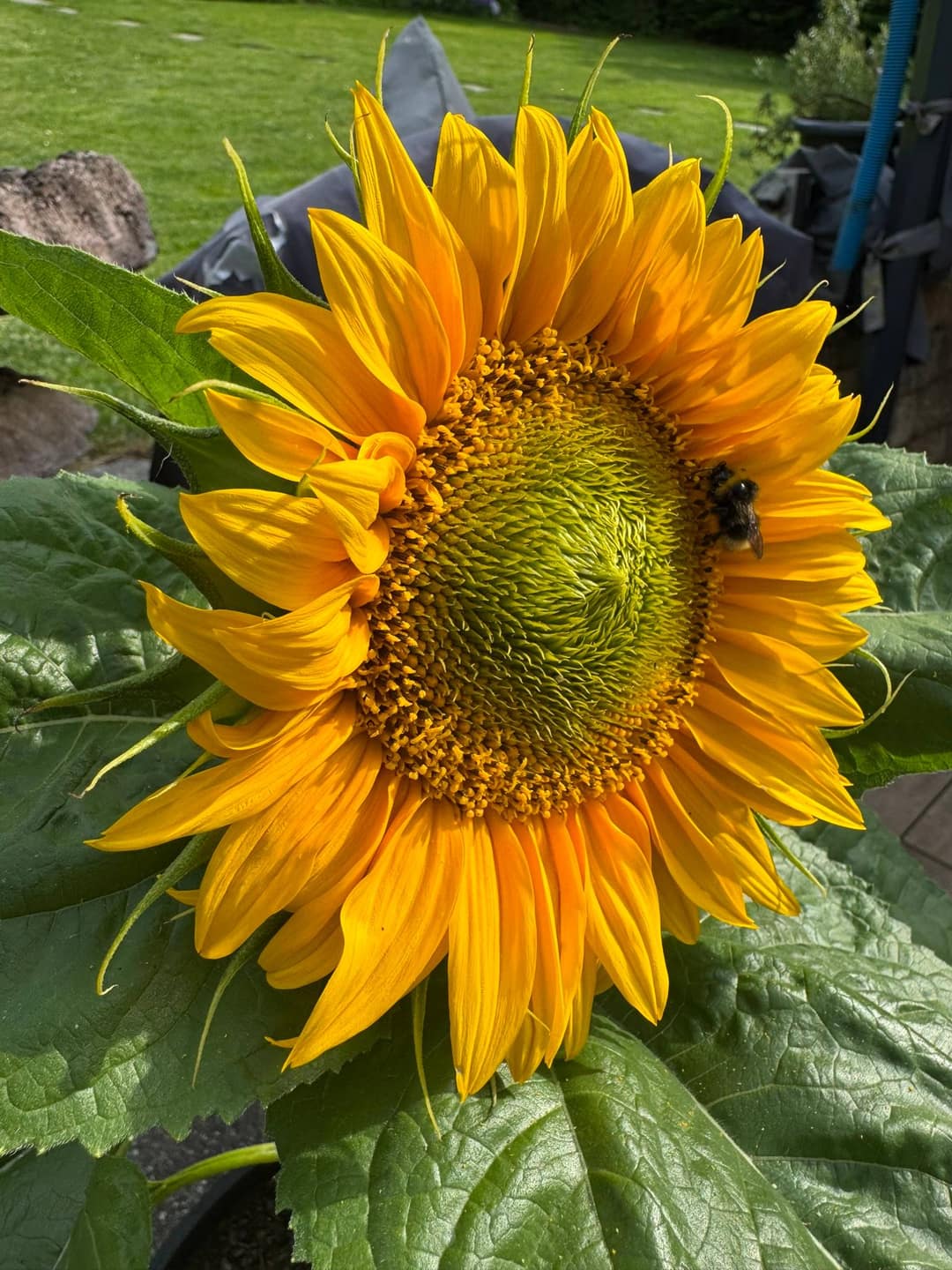
Bees need a varied food supply from early spring right through to late autumn. Choosing the right plants lets you make a real difference.
Why is plant diversity so important?
Bees need not only nectar (energy) but also pollen (protein for the brood). A single crop isn't enough – diversity across the flowering season keeps the colony healthy.
The best bee forage plants by season
Spring (March–May)
- Willow (Salix) – the first pollen source of the year, extremely valuable
- Crocus, snowdrop, glory-of-the-snow
- Fruit trees – apple, pear, cherry: the main spring flow
- Dandelion – underrated, but excellent for pollen
Summer (June–August)
- Linden/lime tree – produces one of the most aromatic honeys
- Phacelia (bee's friend) – easy to grow, very high-yielding
- Lavender, thyme, oregano
- Buckwheat – especially valuable in regions with a weak nectar flow
Autumn (September–October)
- Ivy – the last important nectar source, often underrated
- Autumn asters and false sunflower
- Heather – produces the characteristic heather honey
In your own garden
- Favor native wildflowers (no double-flowered cultivars – no nectar!)
- A small wildflower meadow instead of a lawn
- A herb spiral with thyme, oregano, borage, lavender
- Avoid pesticides – even "bee-friendly" products can cause harm