Berries in the Garden: Currants, Raspberries & More
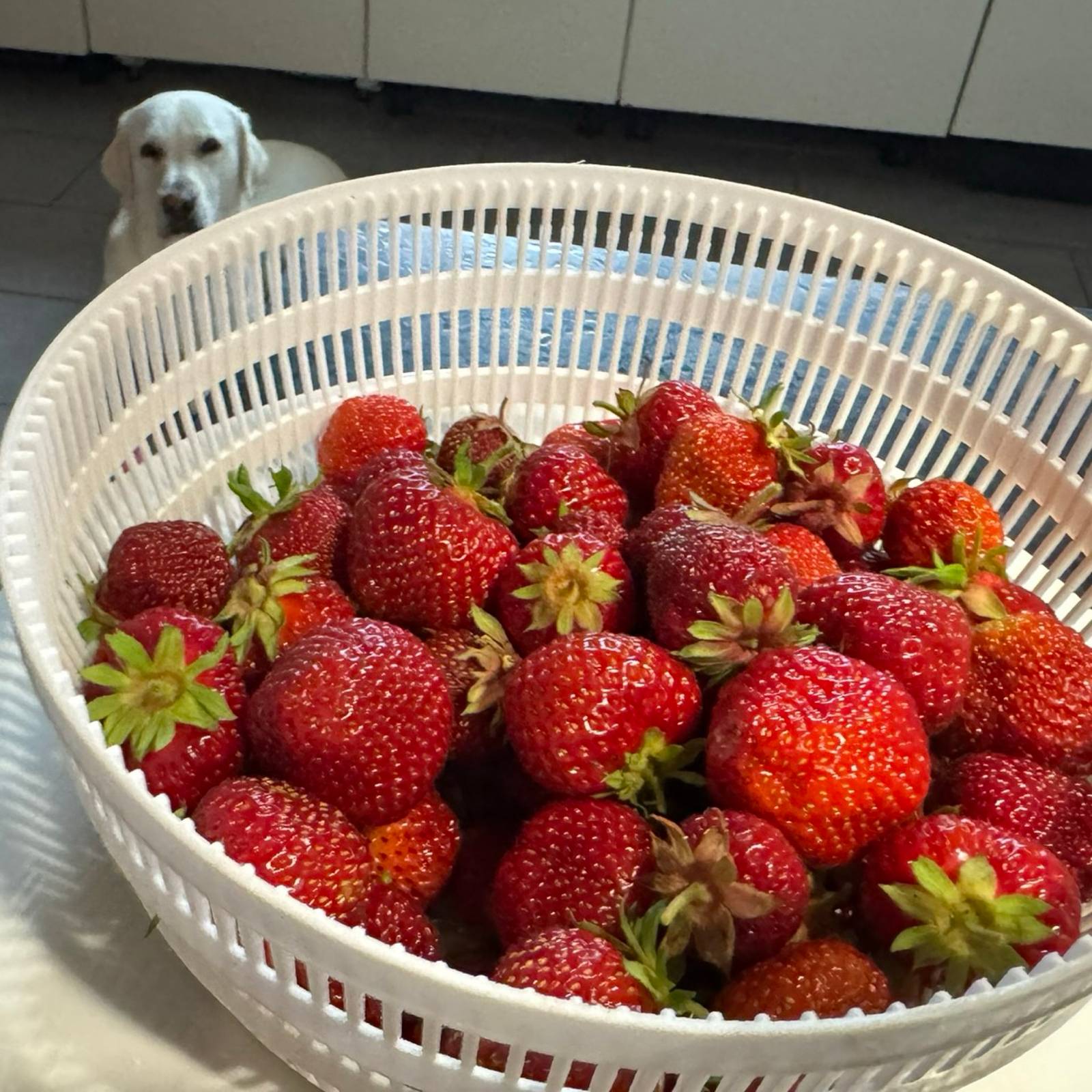
Berries are among the easiest to care for and most productive garden plants you can grow. Compared to fruit trees, the investment cost is low, harvests often begin in the first or second year, and the maintenance effort stays manageable. At the same time, berries from your own garden are in a different league, flavor-wise, than supermarket produce.
Why berries are so worthwhile
- Quick harvest: Most berry shrubs bear fruit in the second year, some even in the first
- High vitamin C content: Blackcurrants, for example, contain 4x more vitamin C than oranges
- Versatile: Eat raw, preserve, freeze, juice, wine, liqueur
- Space-saving: Many species can be trained on trellises, fences, or grown in pots
Currants (Ribes)
Currants are by far the least complicated berry plants there are. They thrive in almost any garden soil and need only a minimum of care.
Blackcurrant (Ribes nigrum)
- Location: Partial shade to sun, moist soil
- Special feature: The most intense flavors, rich in anthocyanins and vitamin C
- Harvest: July
- Tip: Don't let it get too dry – otherwise the fruits burst
Redcurrant (Ribes rubrum)
- Location: Sun to partial shade, also possible on north-facing areas
- Harvest: July to August (depending on variety)
- Good varieties: Jonkheer van Tets (early), Rovada (late, very sweet)
- Tip: Harvest whole clusters, then strip the berries at home – gentler on the fruit
White currant
A color variant of the red currant, milder in flavor. Ideal for jams and fresh eating.
Pruning & care
Currants bear fruit mainly on 1–3 year old wood. Older shoots (over 3 years) are cut out at the base. Each winter, remove 3–4 of the oldest shoots and leave the same number of strong young shoots standing.
Raspberries (Rubus idaeus)
Raspberries belong to the summer garden like hardly any other plant. Nothing beats the flavor of fresh raspberries straight from the bush.
Summer-bearing vs. autumn raspberries
Summer raspberries (bear fruit on last year's wood):
- Harvest: June–July
- After harvest, the spent canes are cut off at ground level
- New canes from this year remain and will bear fruit next year
Autumn raspberries (bear fruit on this year's wood):
- Harvest: August–October
- Easier to care for: cut all canes to the ground in winter
- Good varieties: Autumn Bliss, Polka, Himbo-Top
Location & planting
- Sunny, wind-protected location
- Humus-rich, well-draining soil (pH 5.5–6.5)
- Plan for trellis wires or a support – canes can grow up to 2 m tall
- Planting distance: 50 cm within the row, 1.5 m between rows
Diseases & pests
- Raspberry cane blight: Remove canes that wilt in summer immediately
- Raspberry cane midge: Swollen spots on the cane → destroy affected canes
- Bird damage: Hang netting over the plants shortly before ripening
Gooseberries (Ribes uva-crispa)
Gooseberries are among the first fruits you can eat fresh – some varieties ripen as early as late June. Their thorns make harvesting tedious, but the yield is enormous.
Cultivation
- Thrive even in partial shade
- Very drought-resistant
- Regular pruning is important: an open structure prevents powdery mildew
Powdery mildew: the biggest challenge
American gooseberry mildew is the most common gooseberry disease. Remove affected shoot tips immediately. Choose mildew-resistant varieties: Invicta, Redeva, Pax (thornless!).
Blueberries (Vaccinium corymbosum)
Cultivated blueberries should not be confused with wild blueberries – they are larger, milder, and less intense. On the other hand, they're easier to grow.
Special feature: acidic soil is a must
Blueberries need a pH value of 4.5–5.5. In normal garden soil, they struggle and develop chlorosis (yellowing of the leaves).
Solution: Mix a special soil from rhododendron soil, peat soil, and compost. Or: use a pot with acidic soil, watered regularly with rainwater.
Planting & care
- Always plant at least two different varieties (cross-pollinators)
- Mulching with bark mulch or pine needles keeps the pH low and retains moisture
- Pruning is only necessary after the 3rd–4th year
Strawberries: more than a ground cover
Strictly speaking, strawberries are not shrubs, but they still belong in the berry garden.
Everbearing vs. garden strawberries
Garden strawberries (single-bearing) fruit abundantly in June/July and then hardly at all. Everbearing and remontant varieties bear fruit from June until frost – smaller fruits, but a continuous harvest.
Tips for a better harvest
- Place mulch under the fruit (straw, pine needles) – prevents rot and slug damage
- Replant every 3 years: old plants lose productivity
- Use or remove runners selectively, depending on the desired plant density
General care tips for berries
Fertilizing
- Work compost into the soil in spring
- Currants and raspberries benefit from potassium fertilizer (wood ash, patent kali)
- Use nitrogen sparingly – it promotes shoot growth at the expense of fruit
Watering
- Keep evenly moist, especially during fruit development
- Drip irrigation is ideal – wet leaves promote fungal diseases
Bird netting
Anyone serious about harvesting can't avoid bird netting – especially for currants and blueberries. Sturdy frames are worth the investment.
Conclusion
Berries are the top discipline for anyone who wants to harvest a lot while working little. A selection of different species extends the harvest season from June to October – and the freezer in autumn will remind you of summer paradise in the garden all winter long.