Varroa Treatment: The Cornerstone of Modern Beekeeping
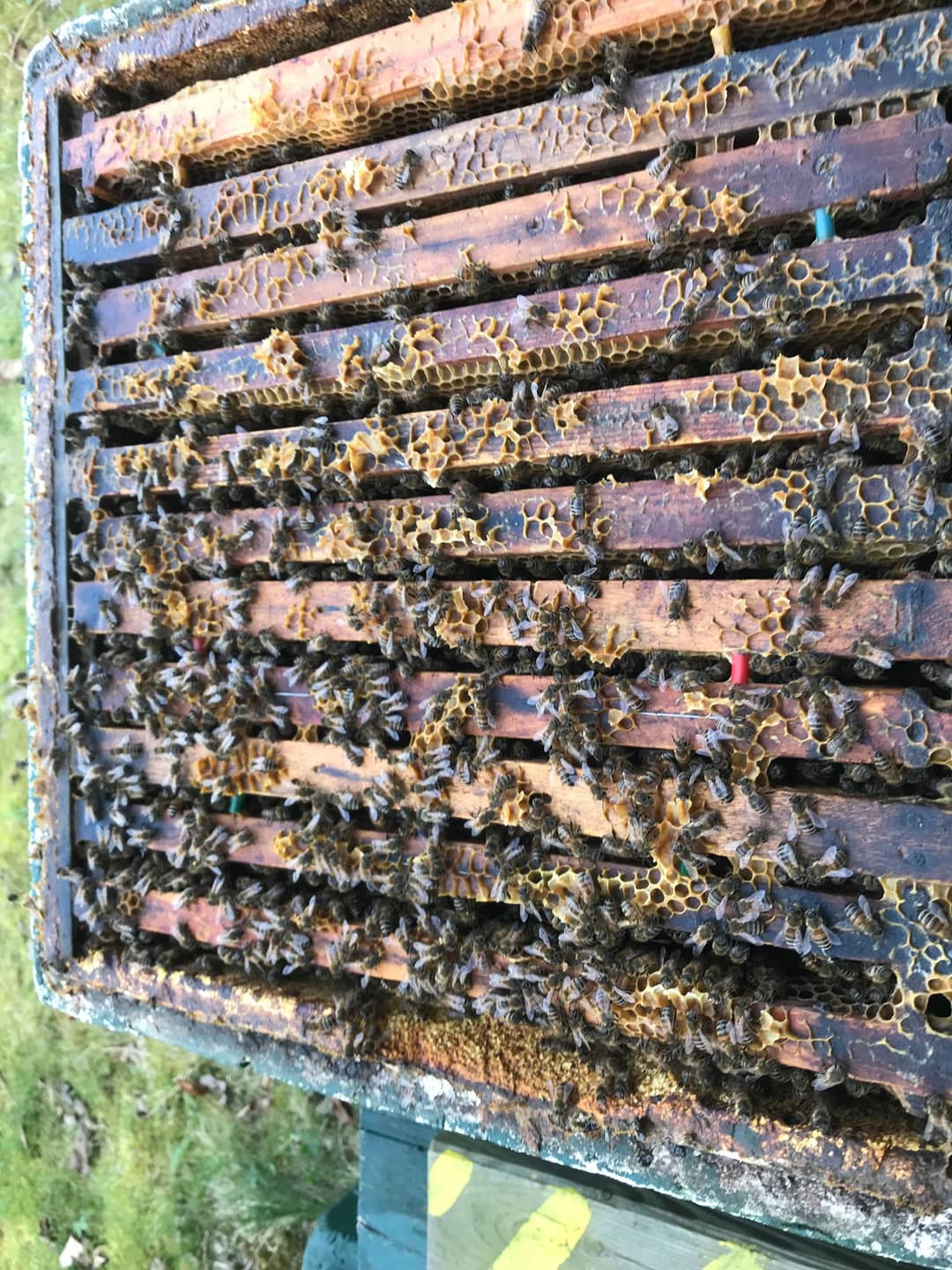
Varroa treatment is the most important task of the beekeeping year. Without regular treatment, every colony collapses within a few years.
Why treat at all?
Varroa destructor weakens bees by feeding mainly on their fat body (not on their hemolymph, as was long assumed), and in doing so transmits viruses that deform wings and bodies. Infestation pressure rises exponentially – by autumn, a colony can be carrying thousands of mites.
The three main methods
Oxalic acid (winter)
Application: October to January, when the colony is broodless.
- Efficacy on a broodless colony: >95%
- As a trickling treatment (3.5% oxalic acid, 5 ml per bee space) or by vaporization
- No residues in the honey when applied correctly
- Apply only once per broodless phase
Formic acid (summer)
Application: after the last honey harvest, July to September.
- The only method that also works inside capped brood
- Works best at an outdoor temperature of 15–25 °C
- Used as a long-term evaporator (Nassenheider) over 3–4 weeks
- Caution: brood damage is possible above 30 °C
Lactic acid (broodless colonies only)
- Manual treatment of individual combs
- Labor-intensive, but well suited to splits and small colonies
- Efficacy: ~70% per treatment – but only on broodless colonies (splits, swarms, winter rest); it doesn't reach mites inside capped brood
Treatment calendar
| Period | Method |
|---|---|
| July/August | Formic acid after the harvest |
| October–January | Oxalic acid once broodless |
| Broodless splits and swarms | Lactic acid |