Lavender – Scent of Provence for Garden, Kitchen, and Nerves
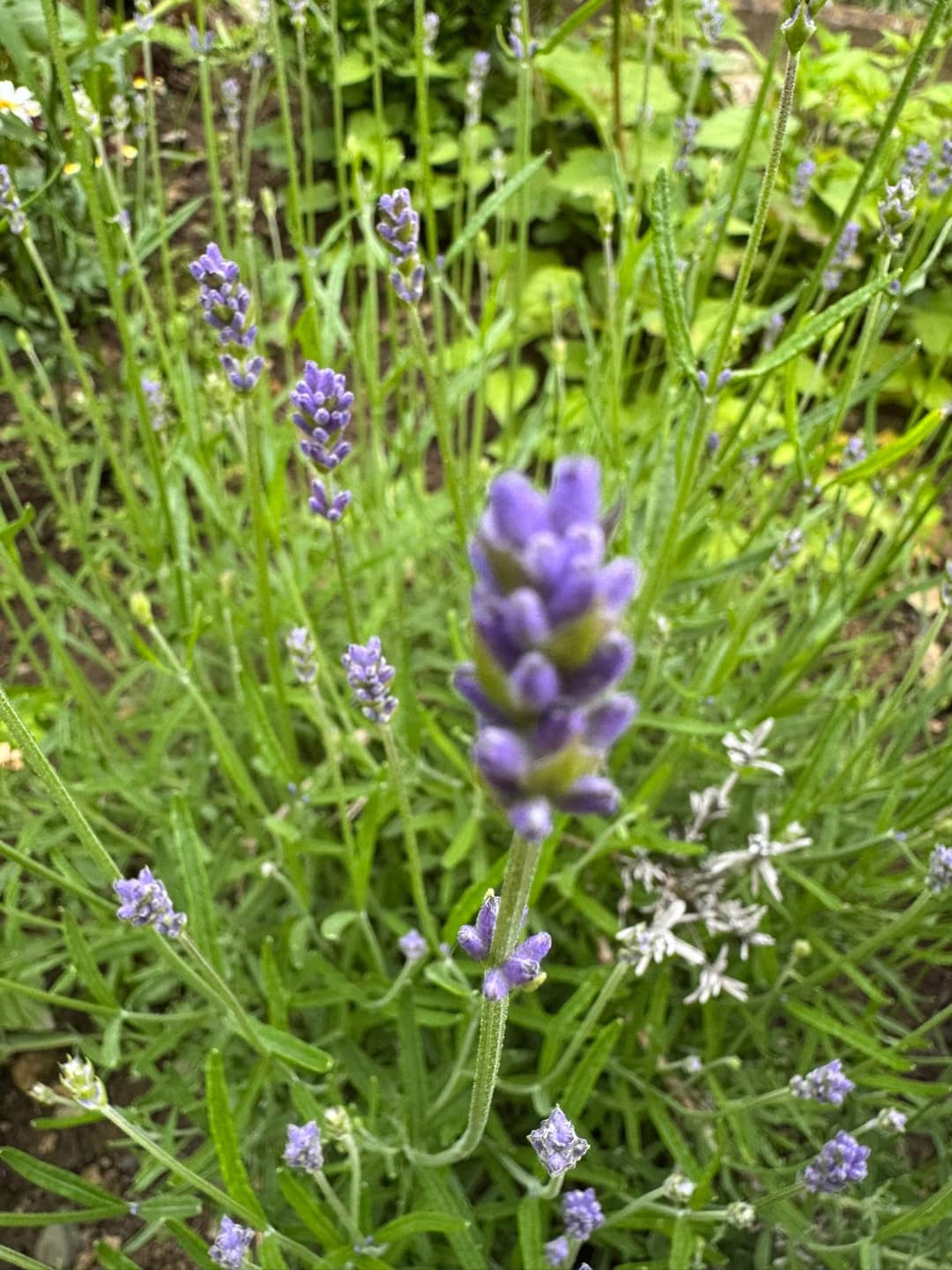
Lavender (Lavandula angustifolia) is one of the most popular medicinal plants of all – and rightly so. In folk medicine it is used for restlessness and sleep problems, and it is credited with antibacterial properties – and it smells incomparable while doing it. With the right location, it's easy to grow in Germany too.
Active Compounds and Their Traditional Uses
Lavender contains:
- Linalool & linalyl acetate – calming, anxiety-relieving, sleep-promoting
- Camphor – antibacterial, promotes circulation
- Flavonoids – anti-inflammatory, antioxidant
- Tannins – wound-healing, astringent
Traditional uses: sleep problems, nervousness, anxiety, headaches, skin problems, insect bites, minor burns.
⚠️ Notes
- Essential lavender oil should not go undiluted on the skin – always dilute with a carrier oil (exception: small insect bites)
- Pregnancy: Avoid lavender oil in medicinal amounts
- Children under 2: No essential lavender oil near the face – can cause breathing problems
- Persistent complaints: Ongoing sleep problems, anxiety, or recurring headaches should be checked out by a doctor
Growing & Location
Location: Full sun, very well-drained poor soil – the sandier the better. Waterlogging is fatal.
Winter hardiness: True lavender (Lavandula angustifolia) is hardy down to about -15°C. Hybrid varieties (lavandin) are more sensitive – check the species when buying.
Pruning: Crucial for longevity. Cut back by a third after flowering – never into old wood. If you don't prune, within a few years you'll have a woody, unattractive plant.
Pot: Possible, but more demanding – very well-drained substrate, never let it sit in waterlogging.
Tip: Lavender attracts bees and butterflies like magic – a perfect addition to a beekeeper's garden.
When & How to Harvest
Best harvest time: June to August, when about half the flowers on a spike are open – that's when the oil content is highest.
How: Cut flower stalks just above the foliage. Harvest in the morning after the dew. Not too late – once all flowers are open, the active compound content is already declining.
Tip: For dried bouquets, harvest earlier (more closed buds still); for tea and oil, harvest at the half-open flower stage.
Use as a Medicinal Herb
Sleep sachet – fill a small linen bag with dried flowers, place under your pillow. A simple home remedy traditionally used as a bedtime ritual.
Tea for nervousness and sleep problems – 1 tsp dried flowers, steep for max. 5 minutes. Don't steep too long – it turns bitter. One cup in the evening before bed.
Lavender oil (macerate) – steep flowers in almond or jojoba oil for 4–6 weeks. For massages for tension and stress.
Headaches – 1–2 drops of essential lavender oil on the temples (not too close to the eyes). Traditionally used for tension headaches.
Insect bites – one drop of essential lavender oil directly on the bite – one of the few essential oils that can be applied undiluted.
Use in the Kitchen
Use lavender sparingly – it can quickly taste soapy.
Lavender sugar – mix dried flowers with sugar, let steep for 1–2 weeks. For desserts, baked goods, tea.
Herb blends – classic in Provence together with thyme, rosemary, and sage.
Lavender honey – steep liquid honey with dried flowers for 2–4 weeks, then strain. Wonderful with cheese.
Baked goods & desserts – lavender flowers in shortbread, crème brûlée, or panna cotta. Less is more.
Drying & Preserving
Bundle flower stalks and dry upside down in an airy, shaded spot – not in the sun, or the color fades and the aroma suffers.
After drying, strip flowers from the stems and store airtight in dark jars.
Shelf life: 1–2 years. Lavender retains its aroma very well when dried – better than many other herbs.