Honey Harvest: The Right Timing and Technique
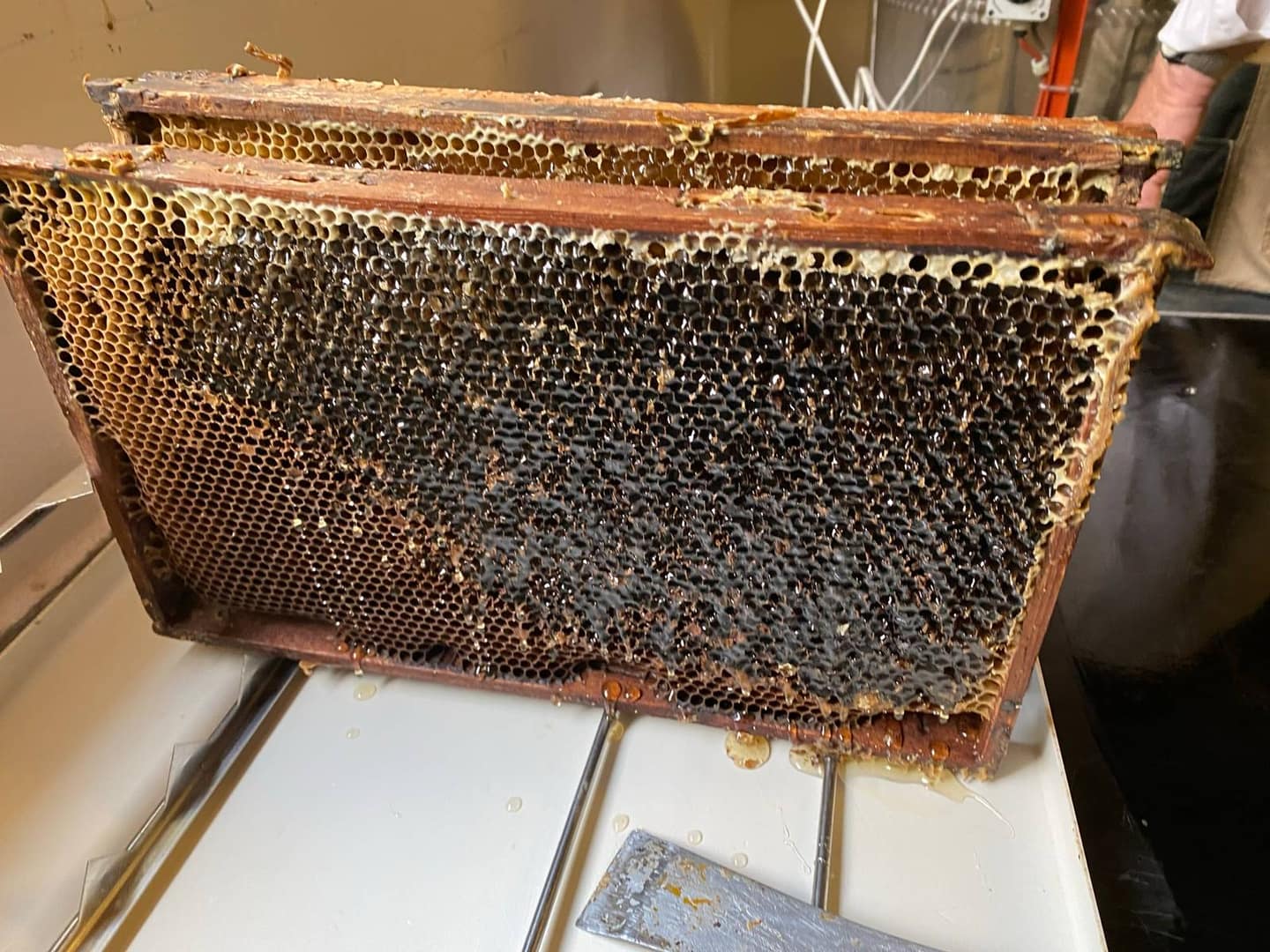
The honey harvest is the high point of the beekeeping year – and it needs good preparation. Honey harvested unripe ferments and spoils; honey harvested too late is hard to extract.
You can tell ripe honey by its capping ratio: at least 2/3 of the comb should be capped. To test ripeness, give the comb a quick shake downward – if honey drips out, it is still too moist.
Before the harvest, you clear the bees off the honey supers. Tried-and-tested methods are a bee escape (an escape board fitted between brood chamber and honey super 24 hours in advance) or gently brushing the bees off.
When extracting, make sure your equipment is clean and the room is warm (at least 20 degrees). First you uncap the combs with an uncapping fork or a hot knife. Then the combs go into the extractor – radial extractors spin all the combs at once, tangential extractors need the combs turned over.
After extracting, the honey is filtered through a fine sieve and put into the settling tank. After settling for 1-2 days, the air bubbles are gone.
You make creamed honey by stirring the liquid honey daily – ideally at 14-18 degrees. Alternatively, you can mix in finished creamed honey as seed crystals (about 10% of the volume) – this speeds up the process considerably and gives the honey a fine, even consistency.
Only once the honey has reached the desired consistency is it filled into clean jars and sealed airtight.