Elder – Processing Flowers and Berries Properly
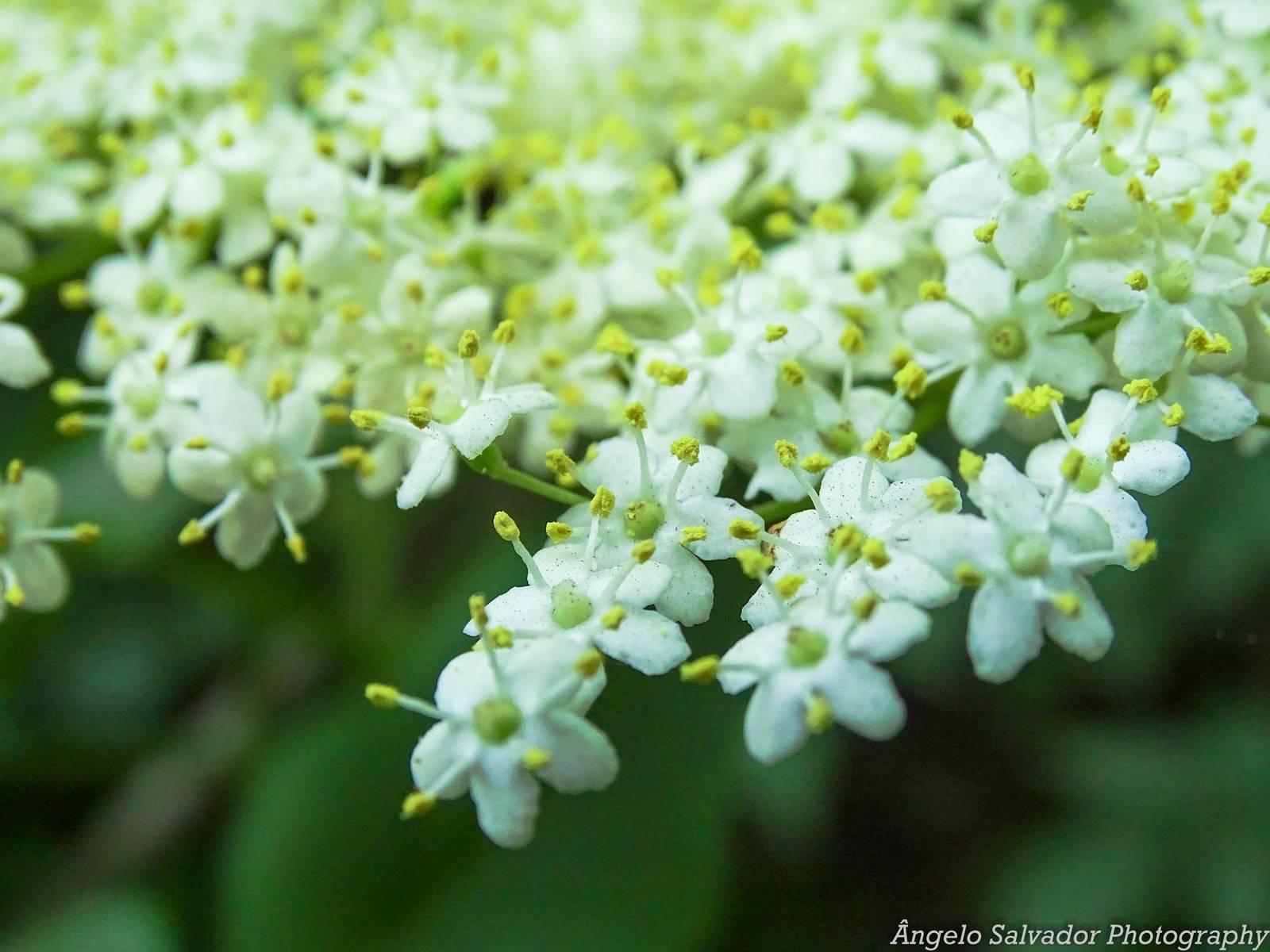
Black elder (Sambucus nigra) is one of the best-known medicinal trees in Europe. Fragrant flowers in early summer, dark purple berries in autumn – both have long been used in the kitchen and in folk medicine.
Active Compounds and Their Traditional Uses
Flowers contain:
- Flavonoids (rutin, quercetin) – anti-inflammatory, vessel-strengthening
- Essential oils – diaphoretic, expectorant
- Mucilage – soothing for colds
Berries contain:
- Anthocyanins – strongly antioxidant, antiviral
- Vitamin C – immune-boosting
- Sambunigrin – mildly toxic when raw (more on this below)
Traditional uses: colds, fever, cough, immune support, inflammation.
⚠️ Don't Eat Raw Berries
Raw elderberries contain sambunigrin, which can cause nausea and vomiting. The leaves, bark and green umbel stalks contain it too, and unripe berries most of all. Heating destroys the compound – properly cooked berries are safe.
Rule: Always heat elderberries – never eat them raw or juice them without heating. Green plant parts don't belong in the pot: strip the berries cleanly off the stalks.
The flowers, on the other hand, can be used raw.
⚠️ Risk of Confusion: Red Elder & Dwarf Elder
- Red elder (Sambucus racemosa) – red berries, less common, toxic raw, only marginally usable after heating – better to avoid
- Dwarf elder (Sambucus ebulus) – toxic, grows herbaceously (not as a shrub/tree), berries point upward instead of hanging
Typical features: Black elder grows as a shrub or small tree, berries hang in large flat umbels and are deep blackish-purple when ripe. Always check several features together – growth form, how the umbels hang, and how the ripe berries look. If something doesn't fit, leave the plant alone.
Harvesting Flowers
Best harvest time: May to June, when the umbels have just fully opened – not once they start turning brown.
How: Cut whole umbels, ideally in the morning on dry days. Don't wash them – that rinses off the pollen. Just briefly check for insects and shake them off.
Process quickly – flowers wilt fast and lose their aroma.
Harvesting Berries
Best harvest time: August to October, when the berries are deep blackish-purple and soft. Green or red berries are unripe and more toxic.
How: Cut whole umbels, then strip the berries off with a fork.
Using the Flowers
Elderflower syrup – the classic: boil umbels with lemon, sugar, and water, let steep for 12–24 hours, strain, reduce. Keeps in the fridge for several weeks, canned for months.
Elderflower jelly – flower infusion cooked down with jelly sugar.
Battered elderflowers – dip umbels in pancake batter and fry. A sweet, dusted treat.
Tea for colds – dried flowers, steep for 5–7 minutes. Considered diaphoretic – best drunk in the evening before bed.
Using the Berries
Elderberry juice – heat berries with a little water, press, reduce with sugar. Rich in vitamin C, traditionally drunk during the cold season.
Elderberry jam – combine with apples or quinces (elder has little pectin).
Elderberry wine – a classic recipe for home winemakers (fits well with the winemaking category!).
Cough syrup – berry juice boiled with honey and ginger. A traditional home remedy.
Drying & Preserving
Drying flowers: Spread umbels on paper, dry at max. 35°C. Once dry, strip flowers from the stems – don't dry the stems along with them, they're less valuable. Shelf life: 1 year.
Drying berries: At 60°C in a dehydrator, briefly blanch beforehand. Shelf life: 1–2 years.