St John's Wort – Harvesting, Processing and What to Watch For
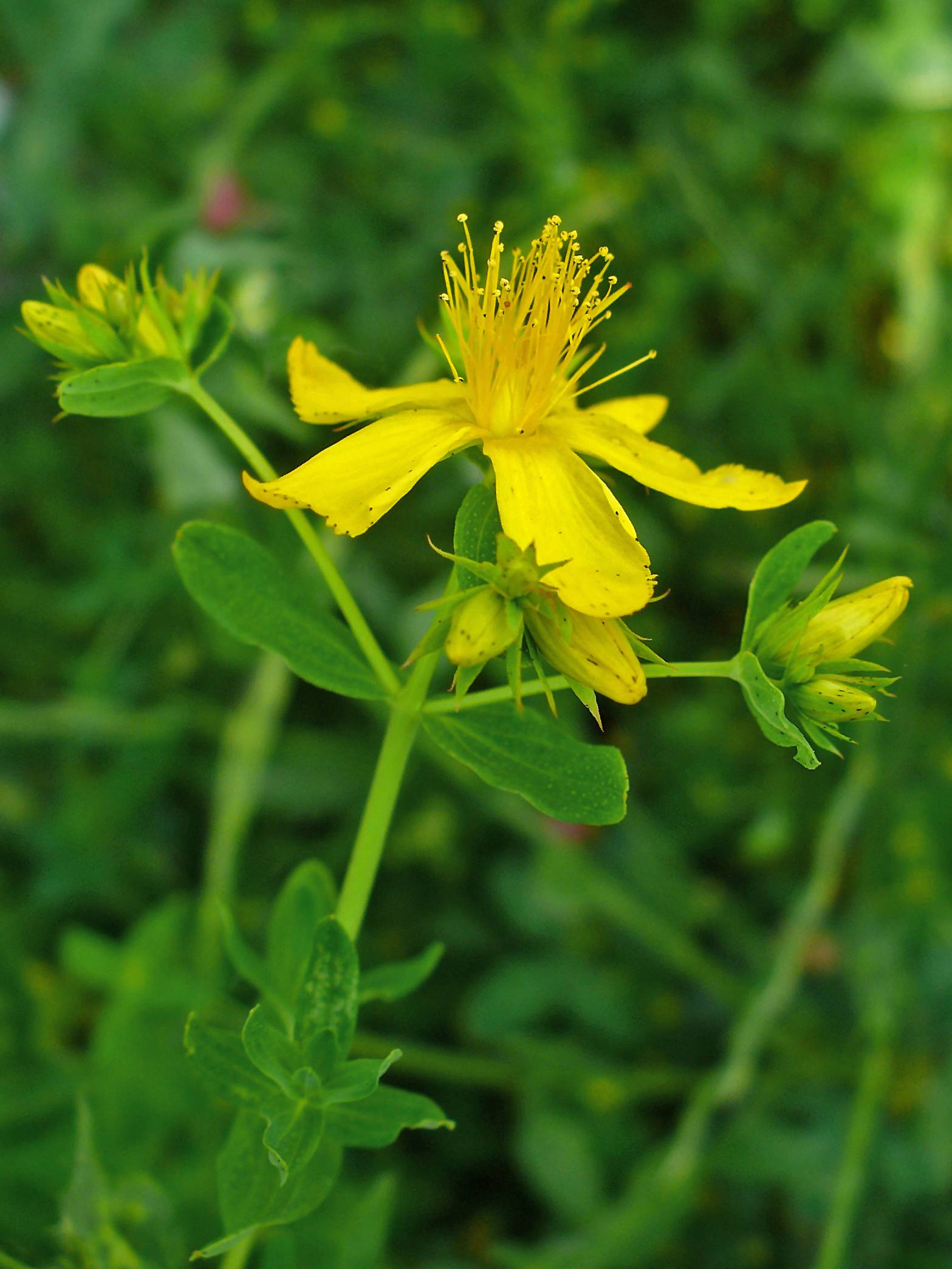
St. John's wort (Hypericum perforatum) blooms bright yellow around St. John's Day (June 24th). It's one of the best-researched medicinal plants in Europe. What those studies looked at, though, were standardised extracts in controlled doses – not self-foraged herb, where neither the active compound content nor the amount can be pinned down.
Active Compounds and Their Traditional Uses
St. John's wort contains:
- Hypericin – mood-lifting, antiviral; turns the red oil dark red
- Flavonoids – anti-inflammatory, calming
- Tannins – wound-healing, for external use
Traditional uses: low mood, inner restlessness, sleep problems, nerve pain (external), wounds and burns (external).
⚠️ Interactions – Please Read in Full
St. John's wort is not a harmless little herb: it is the medicinal plant with the most known interactions of all. In the liver it speeds up the breakdown of numerous medications and thereby weakens their effect.
Affected are, among others:
- Hormonal contraceptives – up to and including loss of contraceptive protection
- Anticoagulants (e.g. Marcumar/warfarin)
- Immunosuppressants
- Certain HIV, cancer and heart medications
- Antidepressants
St. John's wort can also make the skin more sensitive to light. When taking it internally, avoid intense sun exposure and tanning beds – especially with fair skin.
If you take medication regularly, do not use St. John's wort without talking to your doctor or pharmacist first.
Depression Belongs in Medical Care
Depression is a serious illness and belongs in medical care – St. John's wort is no substitute for that. The same goes for low mood, restlessness or sleep problems that last: get them looked at rather than treating them on your own.
What to Look For
Two features are typical:
- Rub a petal between your fingers – it turns dark red to violet. That's the hypericin.
- Hold a leaf up to the light – it shows light dots (oil glands) and sometimes dark dots along the edges.
Both features together point to St. John's wort. Even so, always check several features and take your time: the same dry, sunny sites are home to yellow-flowering ragwort, which contains liver-toxic pyrrolizidine alkaloids and has no place in tea or oil. Anything you can't place, leave standing.
When & How to Harvest
Best harvest time: June to August, around St. John's Day – when the plant is just coming into bloom and still carries buds. That's when the active compound content is highest.
What to harvest: The top 10–15 cm with flowers, buds, and leaves. Only from plants at dry, sunny sites – roadsides, embankments, poor grassland.
Do not forage: On fertilized meadows, roadsides, or shady damp spots.
Making St. John's Wort Oil Yourself – the Classic
Red St. John's wort oil takes little effort to make yourself.
Preparation:
- Put freshly harvested flowers and buds into a clean jar (don't dry them – use fresh!)
- Cover with high-quality olive oil or almond oil, all plant parts must be under the oil
- Seal the jar and let it sit 4–6 weeks on a sunny windowsill – shake gently every day
- The oil slowly turns dark red – that's a good sign
- Strain, fill into dark bottles
Shelf life: 1–2 years stored cool and dark.
Traditionally used: externally for muscle tension, nerve pain, bruises, minor burns, and scars. Not on facial wounds before sun exposure.
Internal Use
Tea – 1–2 tsp dried flowers and leaves, steep covered for 10 minutes.
Tincture – steep fresh flowers in 40–50% alcohol for 4–6 weeks, then strain.
Drying & Preserving
Dry flowers and leaves spread loosely at max. 40°C – don't layer too thickly, they mold easily. Store dark and dry.
Shelf life: 1 year. After that, the dried herb loses significant potency.