Making Herb Oil & Herb Vinegar Yourself
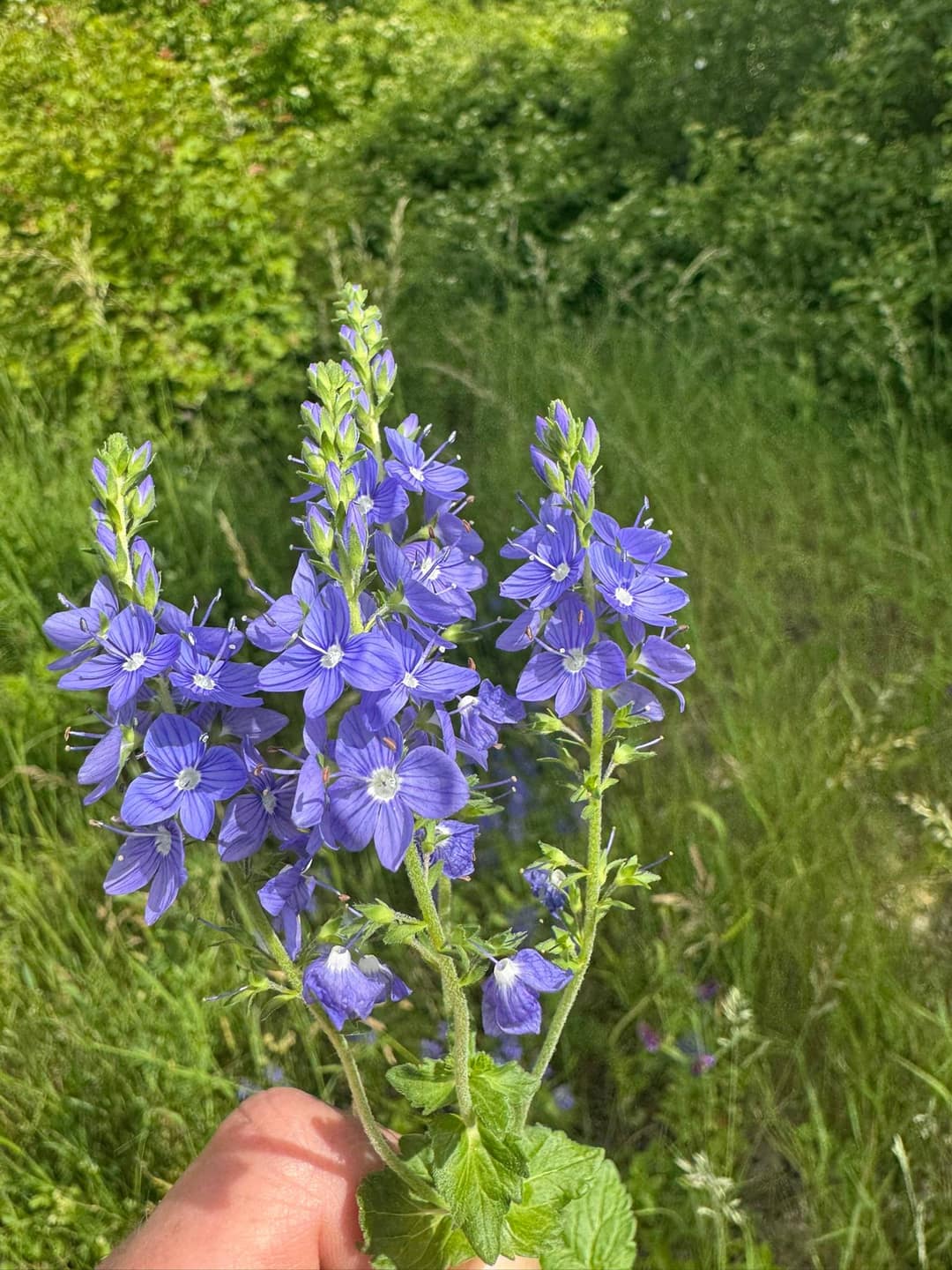
Aromatic herb oils and vinegars preserve the flavors of fresh herbs. The vinegar keeps for months – the oil, on the other hand, belongs in the fridge and should be used no later than the day after making it (BfR).
Herb Oil – Basic Recipe
- Wash fresh herbs and dry them completely – residual moisture promotes mold
- Put them into a clean, dry bottle
- Top up with good olive oil – all herbs must be completely covered
- Seal the bottle, put it straight into the fridge and use it no later than the day after making it
Recommendation: Rosemary + crushed garlic + chili for pasta and bread.
⚠️ Important: Fresh herbs and garlic under oil have no oxygen around them – exactly the environment in which Clostridium botulinum becomes active. That is why the BfR advises against steeping and storing herbs in oil at all. If you do it anyway: keep it in the fridge and use it no later than the day after making it – that is the BfR's advice for herb oils that are not heated before eating (BfR, "Rare but avoidable: questions and answers about botulism", as of 12 Nov 2025). If you want herb flavour in stock, freeze or dry the herbs instead. Made with fully dried herbs and without garlic, the infusion is far less critical. Details: "Safe Canning: Avoiding Botulism"
Herb Vinegar – Basic Recipe
Light wine vinegar or apple cider vinegar works well as a base. Tarragon, thyme, or dill lend a fine aroma.
- Put herbs into a clean bottle
- Top up with vinegar, herbs must be covered
- Let steep for 2–4 weeks at room temperature
- Strain the herbs, label the bottle
Shelf life: up to a year stored cool and dark.
Sources
- German Federal Institute for Risk Assessment (BfR): Rare but avoidable: questions and answers about botulism, as of 12 Nov 2025, accessed 4 Oct 2026
The sources support individual statements in this article. The organisations named have neither reviewed nor endorsed it.