Catching & Cooking Crayfish: The Underrated River Dweller
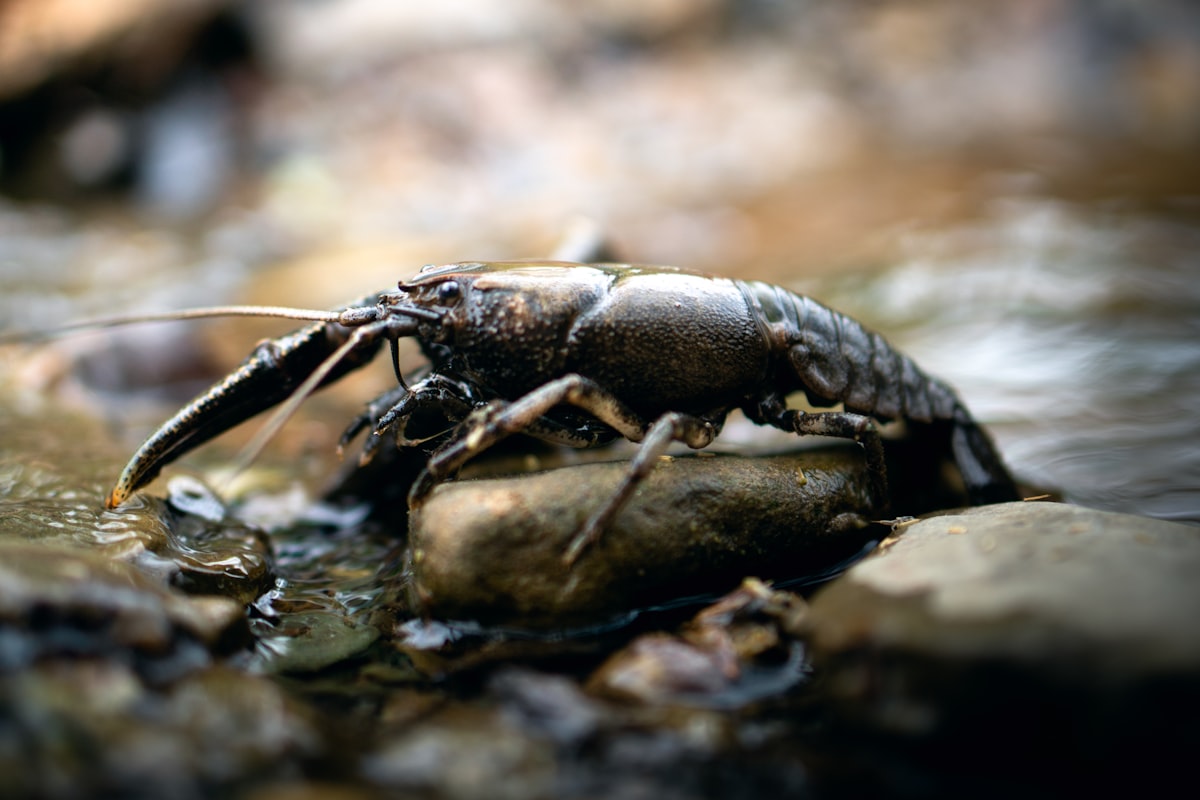
Crayfish – a delicacy from local waters
Crayfish are one of the most delicious ingredients in regional cuisine – sadly largely forgotten. Yet they can be caught with simple means and turned into fine dishes.
Species & situation in Germany
Noble crayfish (Astacus astacus): Native species, highly endangered – only catch with explicit permission!
Signal crayfish (Pacifastacus leniusculus): North American import, invasive in many waters. Catching them is often explicitly encouraged by authorities for population control! Carrier of crayfish plague, which wipes out noble crayfish.
Signal or noble crayfish? What to look for
Before a crayfish goes into the bucket, be clear about which species you have in front of you – the noble crayfish is strictly protected.
- Signal crayfish: a whitish-turquoise patch at the claw joint (hence the name), claw undersides red-brown and smooth
- Noble crayfish: claw undersides red, with grainy bumps behind the eyes
Always check both features together and take your time comparing – one feature on its own is not enough. If you are not sure, put the crayfish back. A misidentified noble crayfish is one lost from a population that is already under pressure.
Important: Always check with the fisheries authority or the water's leaseholder before catching. In many German states, catching crayfish requires a permit of its own; catching without one is prohibited.
Catching techniques
Crayfish trap (crayfish basket):
- Cage-like trap with a funnel-shaped entrance
- Bait inside: fish heads, raw liver, bread crust
- Set in the evening, check in the morning
- Mark the rope with a buoy
Crayfish stick:
- Long stick with bait at the end
- Hold it in the water, crayfish feel their way toward it
- Check at night with a flashlight, scoop up with a net
By hand / flashlight:
- Search shallow banks at night with a flashlight
- Grab crayfish from behind (claws can pinch!)
Catching season
Best season: July to September, evenings and nights (crayfish are crepuscular and nocturnal).
Preparation & cooking
Live crayfish before cooking:
- Only use live, healthy animals
- Rinse briefly in clear water
Classic cooking (crayfish in dill broth):
- Bring a large pot of water to a boil with plenty of dill, salt, bay leaf, peppercorns
- Add live crayfish head-first into the boiling water
- Cook 3–5 min. until bright red
- Let cool in the broth – they absorb more flavor this way
Serving:
- With dill, lemon, butter, and good bread
- The tail and claws contain most of the meat
- Simmer the shells for bisque or stock – no waste!