Cold-Smoking Fish
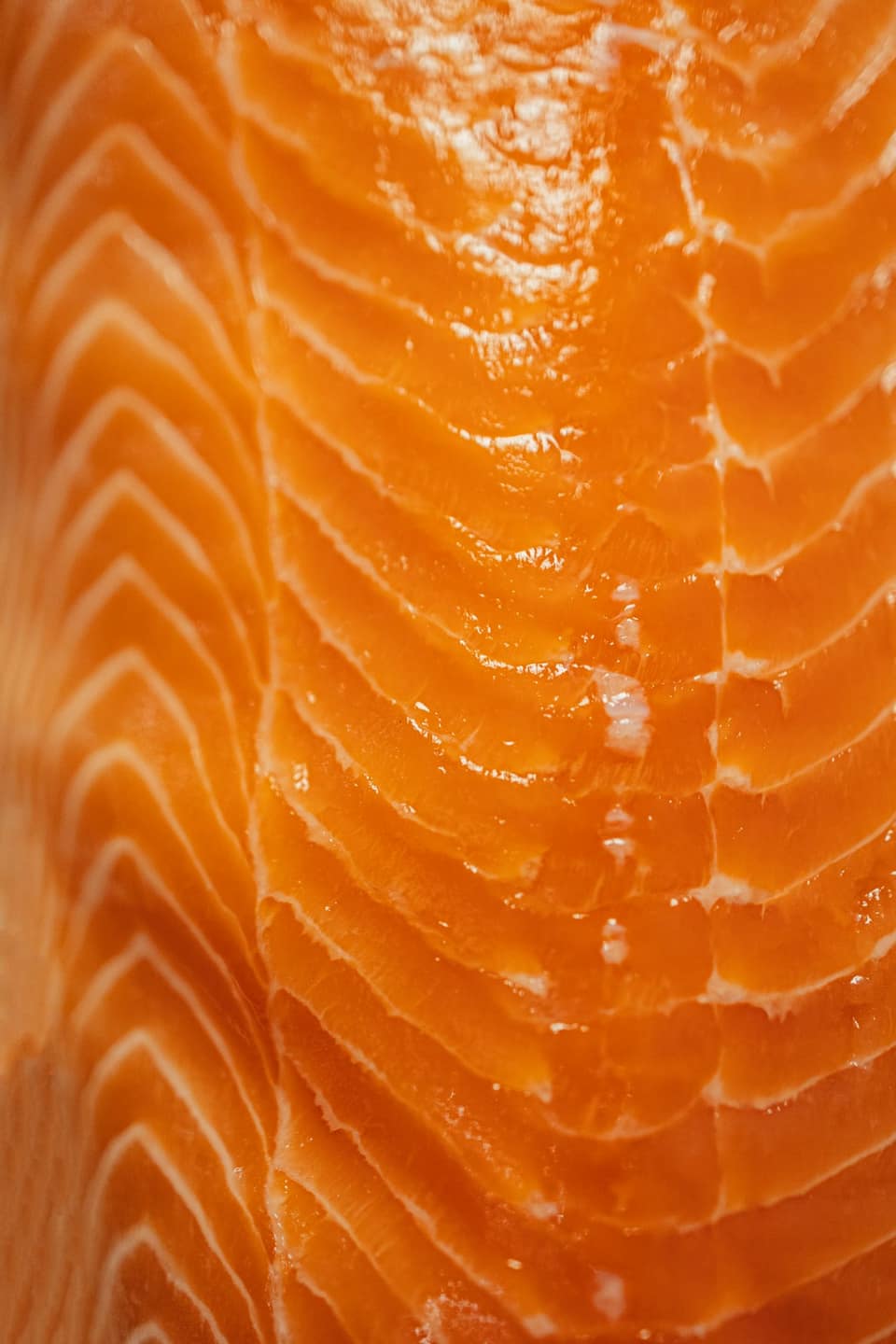
Cold Smoking Fish
Cold smoking is the more demanding method – but also the one that delivers the most intense flavors and the longest shelf life. Classic smoked salmon, smoked salmon trout, or Black Forest-style smoked trout are all made using this principle.
The difference from hot smoking
In cold smoking, the temperature stays below 25 °C (77 °F) (ideally 15–20 °C / 59–68 °F). The fish doesn't cook – it's preserved and flavored through the combination of salt, moisture removal, and smoke compounds. The result is raw, firm fish with an intense smoky aroma, similar to gravlax, but with significantly more smoke flavor.
The longer smoking times (hours to days instead of minutes) and low temperatures require more patience and planning – but the result is unique.
Suitable fish species
- Salmon (whole sides) – the classic, very fatty, takes on smoke beautifully
- Salmon trout – similar properties to salmon, available regionally
- Trout (whole or as fillets) – well suited, shorter smoking times than salmon
- Whitefish / vendace – subtle aroma, very delicate
Lean fish (pike, zander) are less suited to cold smoking – they dry out and absorb less flavor.
Equipment
For cold smoking, you absolutely need a separate smoke source, so the smoke cools on its way to the smoking chamber:
- Cold smoke generator (maze/pellet smoker): A spiral-shaped metal track filled with smoking meal that smolders evenly for 8–12 hours. Available from about €15 – one of the best investments for smoking.
- External fire with a long pipe: Traditional, but harder to control.
The smoke generator sits directly in the smoking cabinet or barrel but produces so little heat that the temperature inside barely rises – ideal in winter or a cool cellar.
Salting and preparation
In cold smoking, salting is even more important than in hot smoking, because the fish isn't cooked by heat:
Dry curing (recommended for salmon and fillets)
- Per kg of fish: 30–40 g fine salt, optionally 10 g sugar
- Rub the fish thoroughly with salt, wrap in plastic wrap
- Cure 24–48 hours in the refrigerator below 4 °C (39 °F)
- Then rinse thoroughly and let dry for 4–6 hours
Wet-cure brine
- 100 g salt per liter of water (significantly more concentrated than for hot smoking)
- Whole trout: 12–24 hours
- Then rinse, dry until the pellicle forms
Temperatures and smoking times
The most important rule: the temperature in the smoking cabinet must not exceed 25 °C (77 °F), ideally staying at 15–20 °C (59–68 °F).
Why? Starting around 28–30 °C (82–86 °F), the fat begins to melt and the fish loses juice and structure – no longer proper hot smoking, but not clean cold smoking either.
Recommended outdoor temperatures: Autumn and winter are ideal (below 15 °C / 59 °F). In summer, cold smoking during the day is difficult – smoke at night or put ice in the cabinet.
| Fish species | Smoking duration |
|---|---|
| Salmon side (~1 kg) | 12–24 hours (multiple sessions) |
| Salmon trout (whole) | 8–16 hours |
| Trout (fillet) | 4–8 hours |
Multiple smoking sessions (e.g. 3× 4 hours with breaks in between) often give better results than one long continuous session.
Food safety
Cold smoking is safe if you follow the basic rules:
Critical points:
- Salt sufficiently: Salt is the most important safety factor – it inhibits bacterial growth
- Keep temperature below 25 °C (77 °F): Prevents the growth of pathogenic organisms during smoking
- Fresh fish: Only use impeccable fish – cold smoking preserves, but it doesn't rescue questionable fish
- Don't break the cold chain: Store cold before and after smoking
Parasites (e.g. Anisakis in sea fish): Cold smoking alone doesn't kill parasites. For sea fish (store-bought salmon), the fish should be pre-frozen before smoking (–20 °C / –4 °F for 24 hours). Freshwater fish from local waters – pike, perch or burbot, for example – can carry fish tapeworm larvae too, and cold-smoked fish is eaten raw. So freeze your own catch before cold smoking as well: at least 24 hours at –20 °C (–4 °F) or colder.
Listeria: Cold-smoked fish is eaten raw, and listeria keep multiplying even at refrigerator temperatures. That's why it doesn't belong on the plate of pregnant women, older people or anyone with a weakened immune system – for them only thoroughly heated, in a bake or a hot sauce, for example.
These points may sound strict, but they're easy to implement in practice. Cold smoking is a method with centuries of tradition – with clean technique, fresh fish and an unbroken cold chain it's safe for healthy adults.
Shelf life and storage
- Refrigerator: 1–2 weeks, airtight packaging
- Vacuum-sealed + refrigerator: 3–4 weeks – but only at a constant temperature below 3 °C (37 °F). A vacuum means no oxygen, and Clostridium botulinum type E multiplies in smoked fish even at ordinary fridge temperatures. If you can't reliably hold 3 °C, freeze it instead
- Freezing: up to 6 months, minimal quality loss when vacuum-sealed
Home-cold-smoked salmon often tastes best after 3–5 days of resting – the flavor distributes evenly through the flesh.