Mugwort – Roadside Herb, Goose Seasoning, and Plant of Thresholds
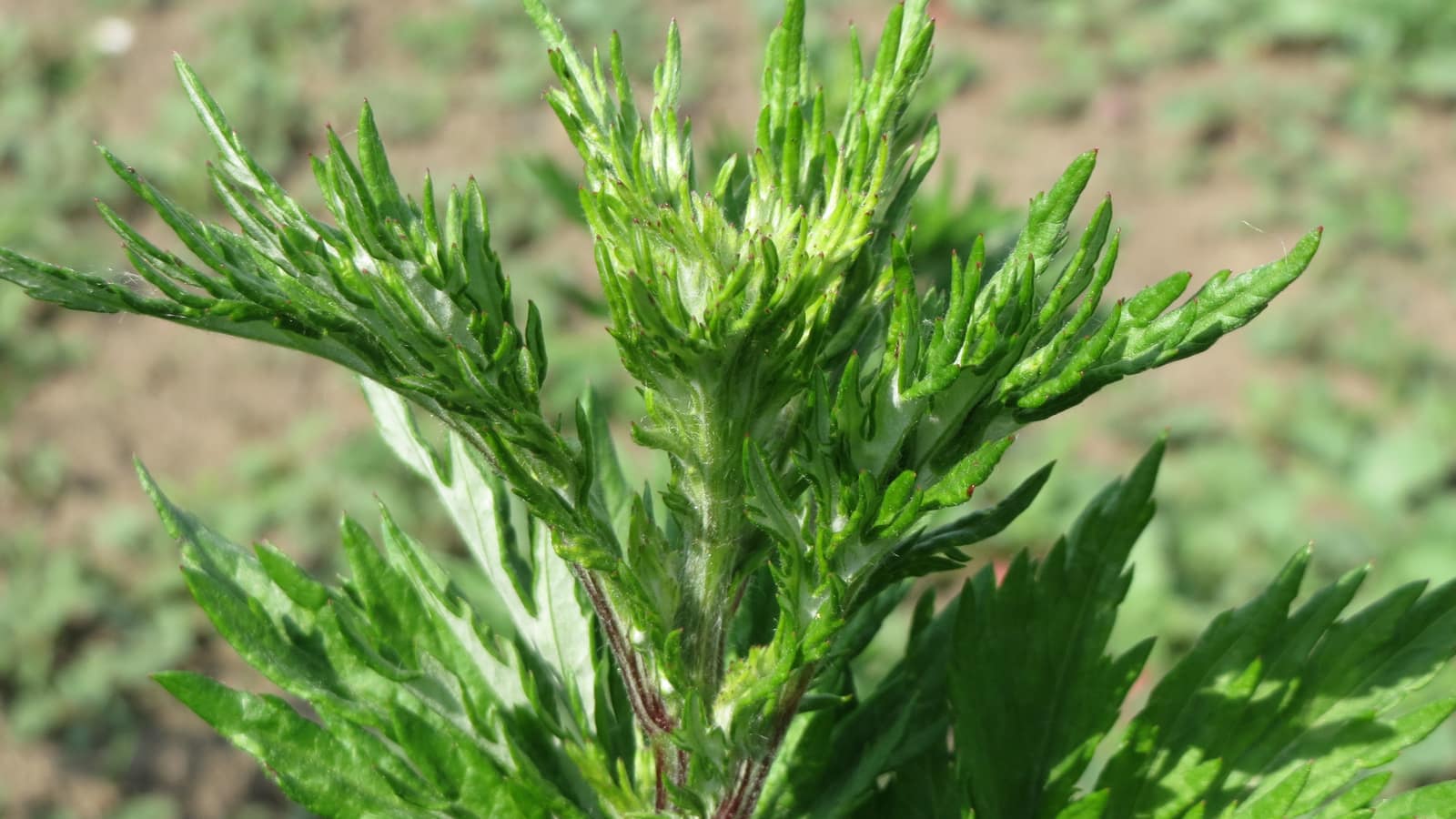
Few native plants are as carelessly overlooked as mugwort – and few carry as much history. As a kitchen herb, an incense plant, and a traveler's companion, Artemisia vulgaris has accompanied people for millennia, named after Artemis, the Greek goddess of the hunt, the moon, and transitions.
Identify
- Growth: A hip- to person-high perennial with angular stems, often tinged reddish-brown
- Leaves: Deeply lobed, dark green and glossy on top – but strikingly silvery-white and felted underneath. That underside is the surest way to tell it apart from the harmless-looking but strongly allergenic ragweed (common ragweed), which has NO felted underside
- Flowers: Inconspicuous reddish-brown flower panicles from July to September – mugwort relies on quantity, not color
- Habitat: Roadsides, wasteland, railway embankments, rubble – an undemanding pioneer that colonizes poor soil
Kitchen: the classic goose herb
For centuries, mugwort has been the go-to companion for fatty poultry and meat – in many regions it's simply known as "goose herb." A sprig or two placed inside the cavity of a roast lends a bitter-herbal aroma and, by tradition, helps digest the fat. It's also traditionally used with duck, roast pork, or eel.
- Use: A little goes a long way – the flavor is strongly bitter; cook whole sprigs along and remove before serving
- Tea: An infusion of dried leaves was traditionally drunk for poor appetite and after heavy meals
- Plant-based: Mugwort works well without a roast, too – as seasoning in hearty mushroom dishes, potato dishes, or finely chopped into a robust vegetable broth. Its bitter, earthy aroma holds its own alongside anything with a bit of character
Folk tradition & ritual use
The botanical name points to Artemis – goddess of the wilderness, the moon, and childbirth, patroness of thresholds and transitions. Mugwort played a similar role in European folk tradition: at the summer solstice, wreaths and bundles of fresh mugwort were tied, jumped over bonfires, or burned afterward – one of the oldest documented incense customs in Europe, meant to drive away illness and misfortune. In some traditions it was counted among nine sacred herbs, credited with protective power against poison and evil.
Known as the "traveler's herb," mugwort accompanied journeys: a sprig tucked into a shoe was said to soothe tired feet on long walks – a practice recorded as far back as Roman soldiers. Wolf-Dieter Storl, in his writings on herbalism, describes mugwort as a plant of threshold moments – used wherever an inner or outer "before" turns into an "after."
Other uses
- Moxibustion: In traditional Chinese medicine, the fine woolly fiber from the underside of the leaves is processed into "moxa" and burned to warm specific acupuncture points
- Brewing spice before hops: Before hops became the standard, mugwort was part of the medieval "gruit" – herb blends used to flavor beer
⚠️ Caution
Mugwort contains thujone, the same compound found in its relative wormwood. In normal culinary amounts (a few sprigs in a roast, an occasional cup of tea), it's considered safe for most people. Mugwort should be avoided during pregnancy – its compounds are suspected of stimulating contractions. Concentrated extracts or essential oil have no place in self-medication. Anyone allergic to Artemisia pollen should also be cautious with the plant itself.
Harvest & drying
The leaves are most aromatic just before flowering, in high summer. Cut whole shoots, tie into loose bundles, and dry upside down in a shaded, airy spot. Dried and stored away from light and moisture, mugwort keeps for about a year.