Lemon Balm – Growing, Harvesting and Using
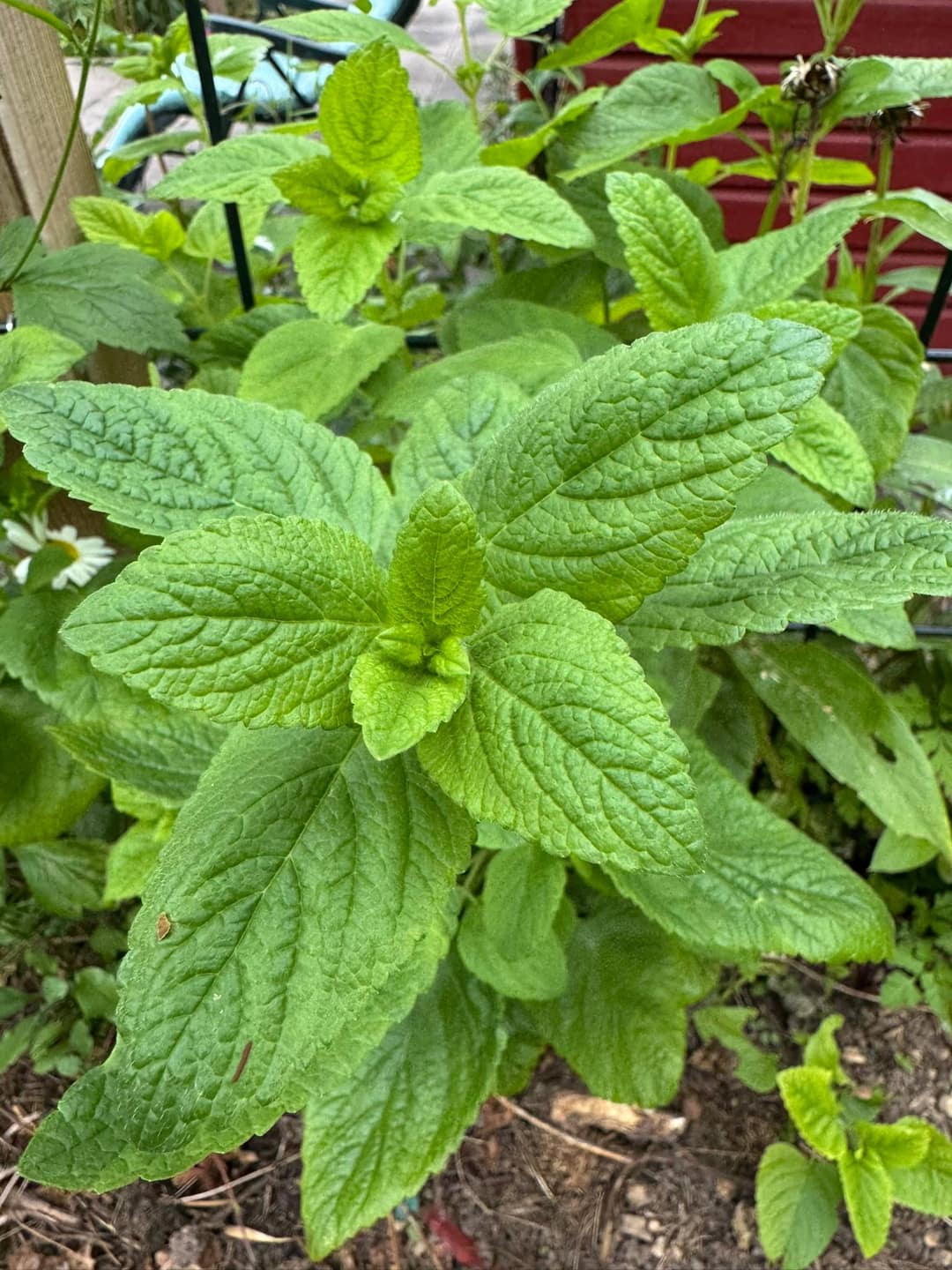
Lemon balm (Melissa officinalis) is one of the most rewarding medicinal plants for the garden – robust, long-lived, vigorous, and with an incomparable lemony scent. Once you have grown it yourself, you will never reach for supermarket tea bags again.
Active compounds and their traditional uses
Lemon balm contains:
- Rosmarinic acid – strongly antioxidant, antiviral, anti-inflammatory
- Citral & citronellal – calming, antibacterial
- Flavonoids – supports the nerves, antioxidant
- Tannins – astringent, antiviral (especially against herpes viruses)
Traditional uses: nervousness, stress, sleep problems, digestive complaints, herpes labialis (cold sores), mild anxiety.
⚠️ Notes
- Underactive thyroid: lemon balm can inhibit thyroid function – if you have an existing underactive thyroid or take related medication, check with a doctor
- Pregnancy: safe as tea in normal amounts, avoid highly concentrated extracts
- Lemon balm loses a lot of its aroma when dried – fresh or frozen it is noticeably more aromatic than dried
- Persistent complaints: sleep problems, inner restlessness or anxiety that carry on for a longer time belong in a doctor's hands – herbal tea is no substitute for that
Growing & location
Location: Partial shade to full sun, ordinary garden soil. Tolerates a bit more shade than most herbs.
Winter hardiness: Very robust, down to about -20°C. Dies back in winter, reliably sprouts again in spring.
Growth: Lemon balm spreads – not as aggressively as peppermint, but growing it in a pot or occasionally containing it is advisable.
Self-seeding: If allowed to flower, it will self-seed. Cut off the flowers before they set seed if you do not want that.
Tip: In shade, lemon balm grows larger but less aromatic. For maximum flavor: a sunny spot with moderately moist soil.
When & how to harvest
Best harvest time: May to September, just before flowering – that is when the essential oil content is highest. After flowering, the aroma drops off noticeably.
How: Cut the shoots back by a third, always leaving a few pairs of leaves standing. This encourages bushy regrowth, and you can harvest several times per season.
Harvest in the morning – after the dew but before the midday heat, when the essential oils are most concentrated.
Important: Process or freeze lemon balm right away – it wilts quickly and loses its aroma fast once picked.
Use as a medicinal herb
Tea, traditionally drunk for restlessness and tension – 2–3 fresh sprigs or 1–2 tsp dried herb, steep covered for just 5 minutes – longer and it turns bitter and the essential oils evaporate.
Combination tea – lemon balm + lavender + hops: a classic evening tea blend straight from the garden.
For cold sores – crush a fresh leaf and dab it on the affected area several times a day, traditionally as soon as the first signs appear. There are findings on the compound itself: in studies on standardized lemon balm extracts, rosmarinic acid inhibits the replication of herpes viruses – that does not carry over to a leaf crushed at home or a home-made infusion.
Making your own lemon balm spirit – steep the leaves in 40% alcohol with lemon peel, a cinnamon stick and cloves, let it infuse for 4–6 weeks. A traditional household remedy for digestive complaints and nervousness.
Digestive tea – a cup of lemon balm tea after eating: traditionally drunk for a feeling of fullness, bloating and cramps.
Use in the kitchen
Do not heat lemon balm – its aroma and active compounds are very volatile.
Summer drinks – fresh leaves in water, lemonade or cocktails. Unbeatable with cucumber and mint.
Salads – finely cut leaves add a lemony herbal note.
Desserts – with fruit salad, sorbet or panna cotta.
Herb quark – together with chives, parsley and a little garlic.
Fish – pairs wonderfully with grilled fish as a fresh herbal note added just before serving.
Drying & storage
Freezing is the best method – wash the leaves, dry them, chop and freeze in portions. Retains the aroma and active compounds much better than drying.
Drying: At max. 35°C, spread thin and dried quickly. Store in the dark. Keeps for 1 year – but noticeably weaker in aroma than fresh or frozen.
Lemon balm syrup – simmer fresh leaves with sugar and water, strain, reduce. Keeps for several months and preserves the flavor well.