Collecting, Drying & Storing Walnuts
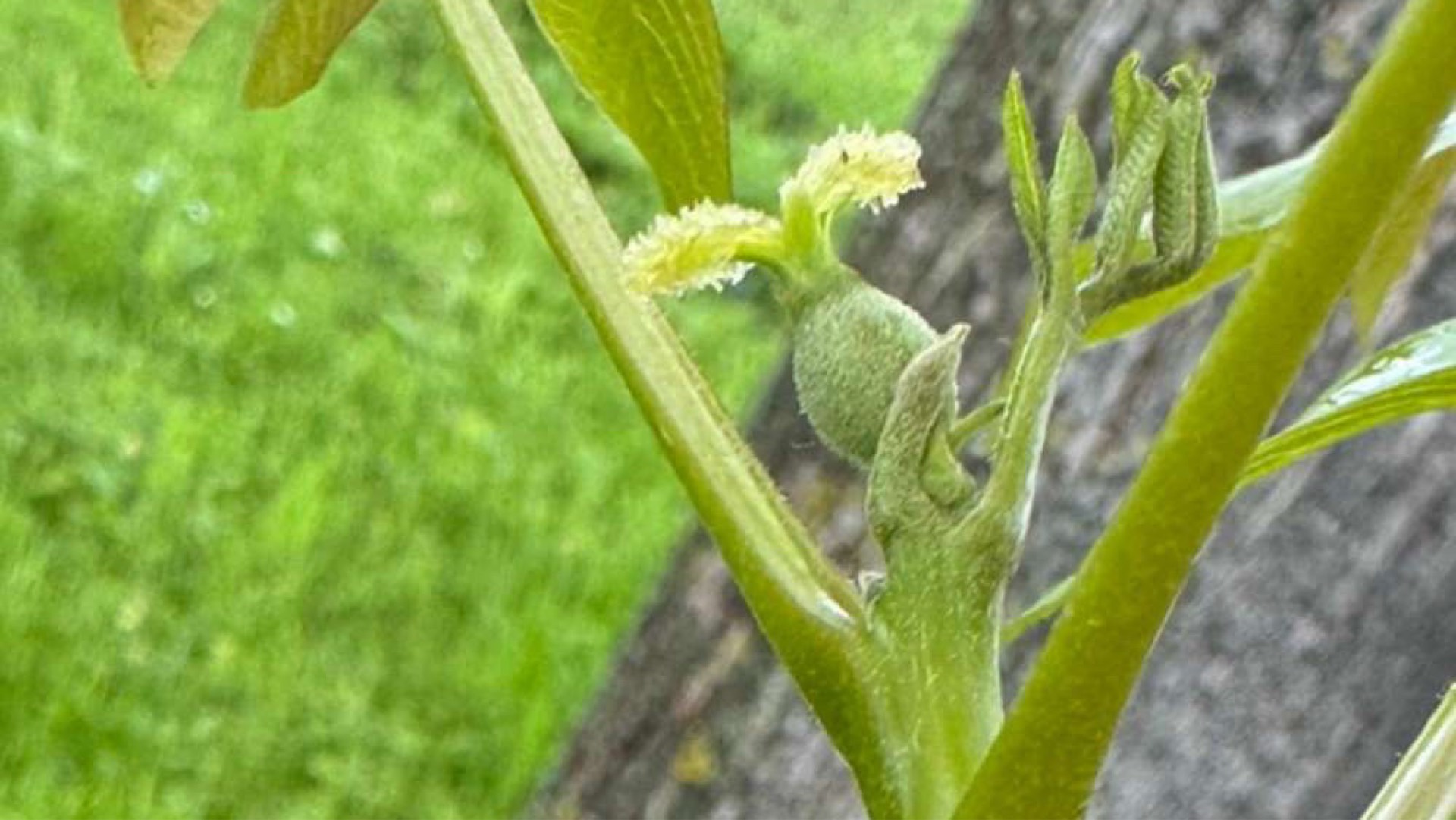
A single large walnut tree can produce 50 kilos of nuts or more – and many trees in gardens and along field edges never get harvested at all. If you collect in October and dry them properly, you'll have a supply until the next harvest.
Collecting
- Timing: September to October – the nuts are ripe when they fall on their own and the green husk splits open
- Only collect from the ground, don't pick them: anything still hanging on the tree isn't ripe yet
- Collect regularly: ideally every 1–2 days, before moisture, mold, or crows get to them
- Wear gloves: the green husk stains hands brown for days
- Trees that aren't yours: ask first – even along field edges, someone usually holds the harvesting rights
Cleaning & Drying – the Crucial Step
Freshly collected walnuts are about half water by weight. Without drying, they mold from the inside within a few weeks:
- Remove green husk remnants immediately, sort out heavily discolored nuts
- Rinse briefly and let drain
- Spread in a single layer: on racks, screens, or newspaper in an airy, warm spot (not above 25 °C, not in direct sun)
- Turn daily, for 3–6 weeks
- Ready test: the nuts rattle when shaken, and the kernel snaps glassy-crisp rather than rubbery
Storing
- In a net or jute sack, cool, dry, and airy: keeps until the next harvest
- Shelled kernels only keep for a few weeks (the fat turns rancid) – in a jar in the fridge or frozen, they keep much longer
- Discard any musty-smelling or bitter-tasting kernels without hesitation (risk of mold)
Using the Harvest
Whether in bread, as pesto, candied, or steeped into a liqueur – walnuts elevate half the pantry. And the shells make better fire starters in the oven than any pinecone.