Rhubarb: The Herald of Spring in the Perennial Bed
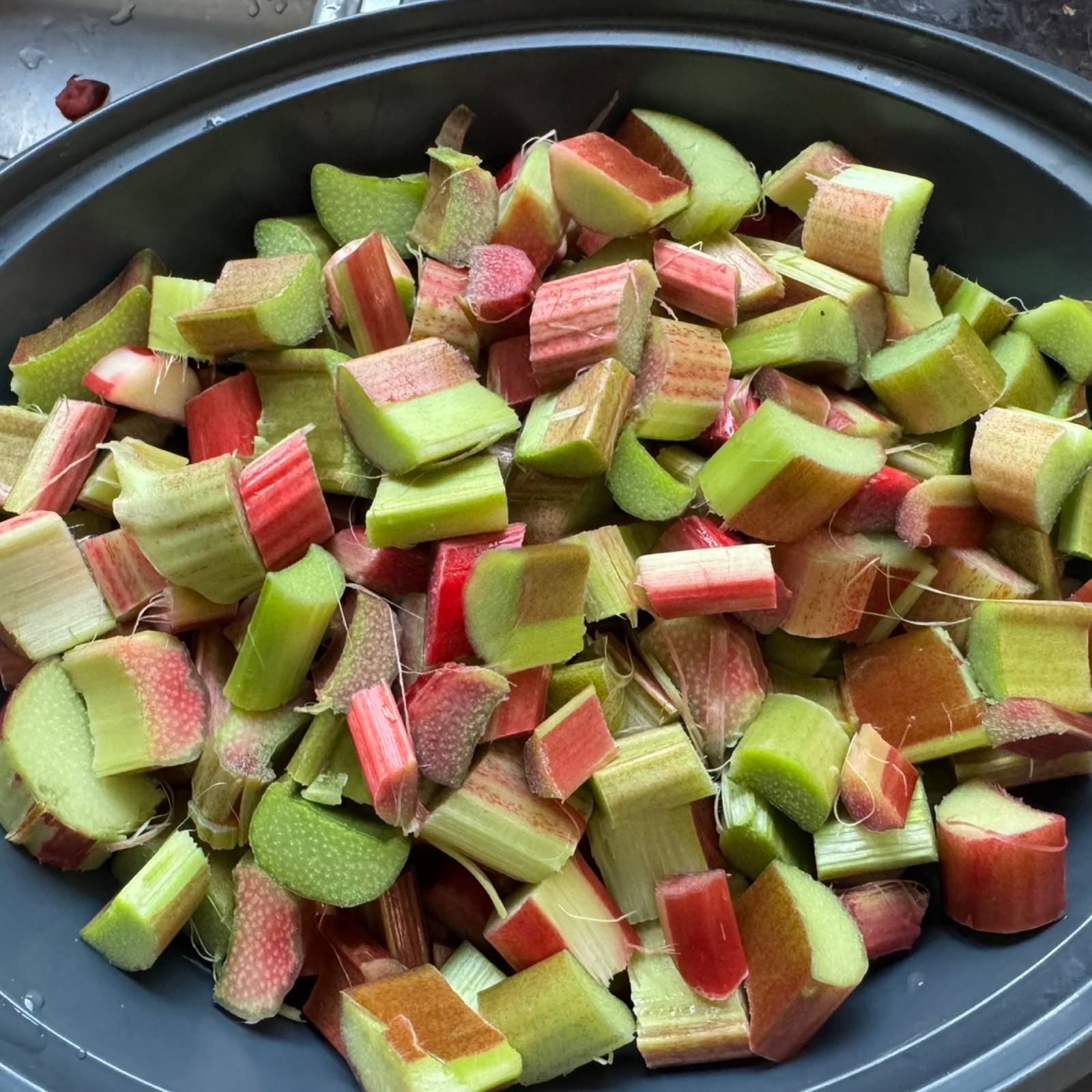
When nothing else is growing yet, rhubarb is already pushing its stalks out of the ground. This low-maintenance perennial delivers for decades – provided you know its two basic rules: feed it well and stop harvesting on time.
Planting
- Timing: autumn or early spring
- Site: sunny to partly shaded, nutrient-rich and moist – rhubarb is a heavy feeder
- Plan for space: a mature plant needs a square meter
- Varieties: red-stalked ones (e.g. Holsteiner Blut) are milder and finer than green ones
Care
- Feeding: a thick layer of compost or manure every spring – it needs hardly any other care
- Watering during dry spells, otherwise the stalks become thin and tough
- Break out flower stalks, they only cost the plant energy
- Divide every 8–10 years, once the stalks get thinner – the divided sections become new plants
Harvest
- From April until June 24 ("Johanni"/Midsummer's Day) – then let the plant regenerate; the oxalic acid content also rises over summer
- Twist the stalks off, don't cut them: grip at the base and pull with a slight twist – cut surfaces rot more easily
- Never take everything: always leave at least a third of the stalks standing
- Don't harvest at all in the planting year, harvest sparingly from the second year on
Using the Harvest
- Don't eat the leaves (high in oxalic acid) – but they're perfect as mulch or in the compost
- Classics: compote, cake, syrup – the tartness calls for some sugar or sweet fruit (strawberry-rhubarb!)
- Preserved as compote or syrup, the spring harvest keeps into winter; cut pieces can also be frozen raw