PIWI grape varieties for the home garden and hobby cellar
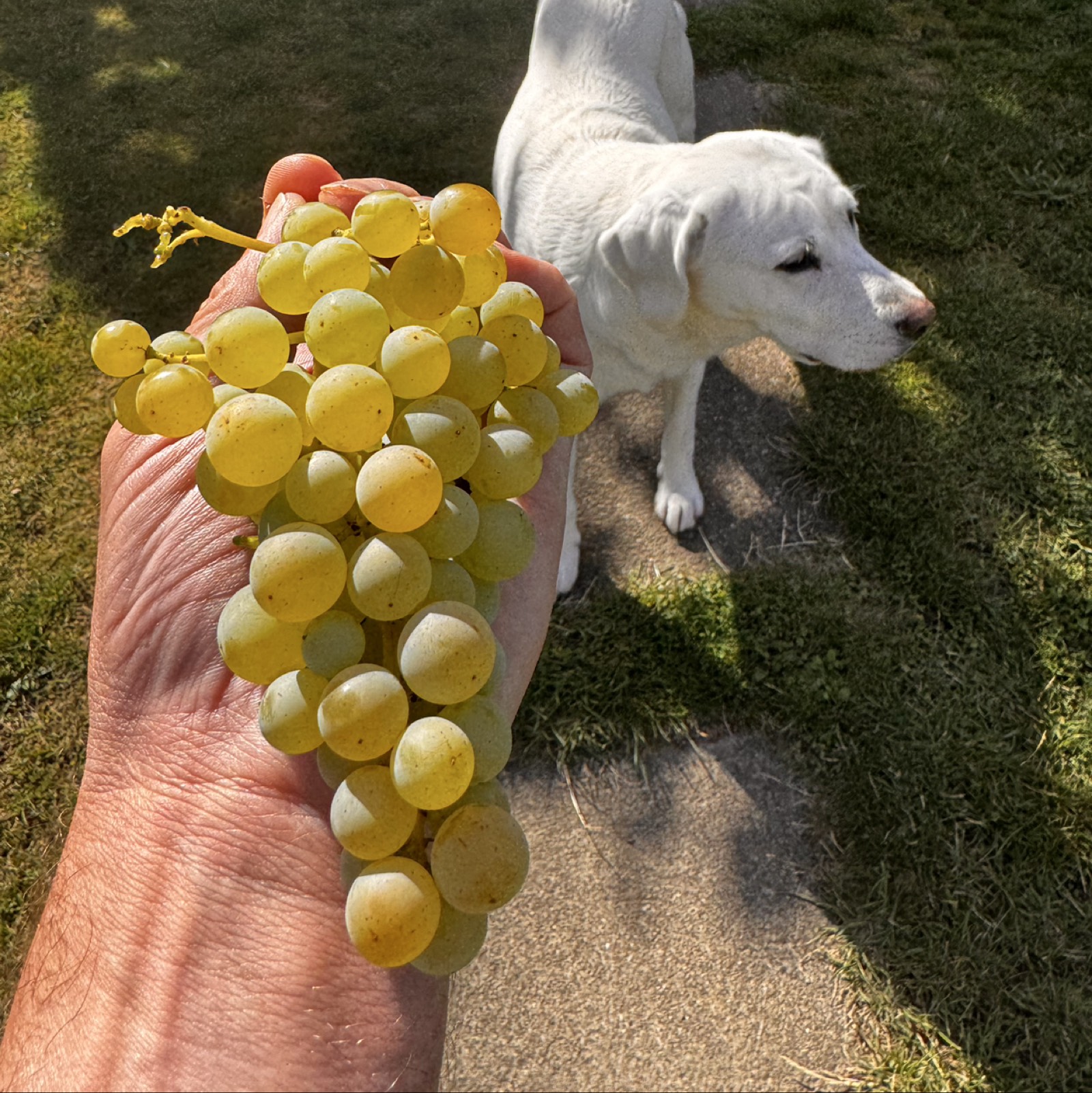
Classic European grape varieties need a lot of crop protection against fungal diseases in wet years. For the home garden, fungus-resistant varieties – PIWIs for short, from German pilzwiderstandsfähig – are therefore the obvious choice.
What PIWIs are
- According to the German Wine Institute (DWI), they are bred by crossing American or Asian wild vines with European varieties
- According to the Freiburg Viticulture Institute (WBI), they have been bred since the 1930s
- They are resistant to downy mildew (Peronospora) and powdery mildew (Oidium) – according to the WBI, crop protection can be greatly reduced
- The DWI cites up to 80% less crop protection, but stresses that PIWIs are not fully resistant either
The varieties at a glance
| Variety | Colour | Good to know |
|---|---|---|
| Regent | red | According to the Geilweilerhof grape breeding institute, deep dark and full-bodied; the first PIWI grown widely in Germany. According to the DWI around 1,480 ha of vineyard (2025) |
| Cabernet Blanc | white | According to the DWI around 360 ha (2025) |
| Solaris | white | Listed by the WBI as a white PIWI variety; according to the DWI around 230 ha (2025) |
| Muscaris | white | Listed by the WBI as a white PIWI variety; according to the DWI around 180 ha (2025) |
| Johanniter | white | Listed by the WBI as a white PIWI variety |
| Phoenix | white | According to Geilweilerhof a robust white wine with a subtle muscat note; also used as a table grape and for juice |
In the home garden
- Position: Sunny and warm, ideally against a south- or west-facing wall; avoid waterlogging
- Training: On a trellis, pergola or wire frame – prune in winter
- Checks: Look at PIWIs regularly too; good airflow through the foliage helps against fungal infection
- Wine law: If you want to plant more than a few vines, ask your regional agricultural chamber or wine authority about the rules for planting first
From vine to cellar
How grapes become wine is covered in these articles:
- "Winemaking for beginners: equipment & basic principle"
- "Making grape wine: from harvest to bottle"
- "Yeast, sugar & Oechsle: the science behind fermentation"
- "Clarifying, filtering & bottling wine"
Sources
- State Viticulture Institute Freiburg (WBI): Pilzwiderstandsfähige Keltertraubensorten, accessed 5 Oct 2026
- German Wine Institute (DWI): PIWIs – pilzwiderstandsfähige Reben, accessed 5 Oct 2026
- Julius Kühn Institute, Institute for Grapevine Breeding Geilweilerhof: Sorten, accessed 5 Oct 2026
The sources support individual statements in this article. The organisations named have neither reviewed nor endorsed it.