Peppers & Chilies in the Greenhouse: Hot & Colorful
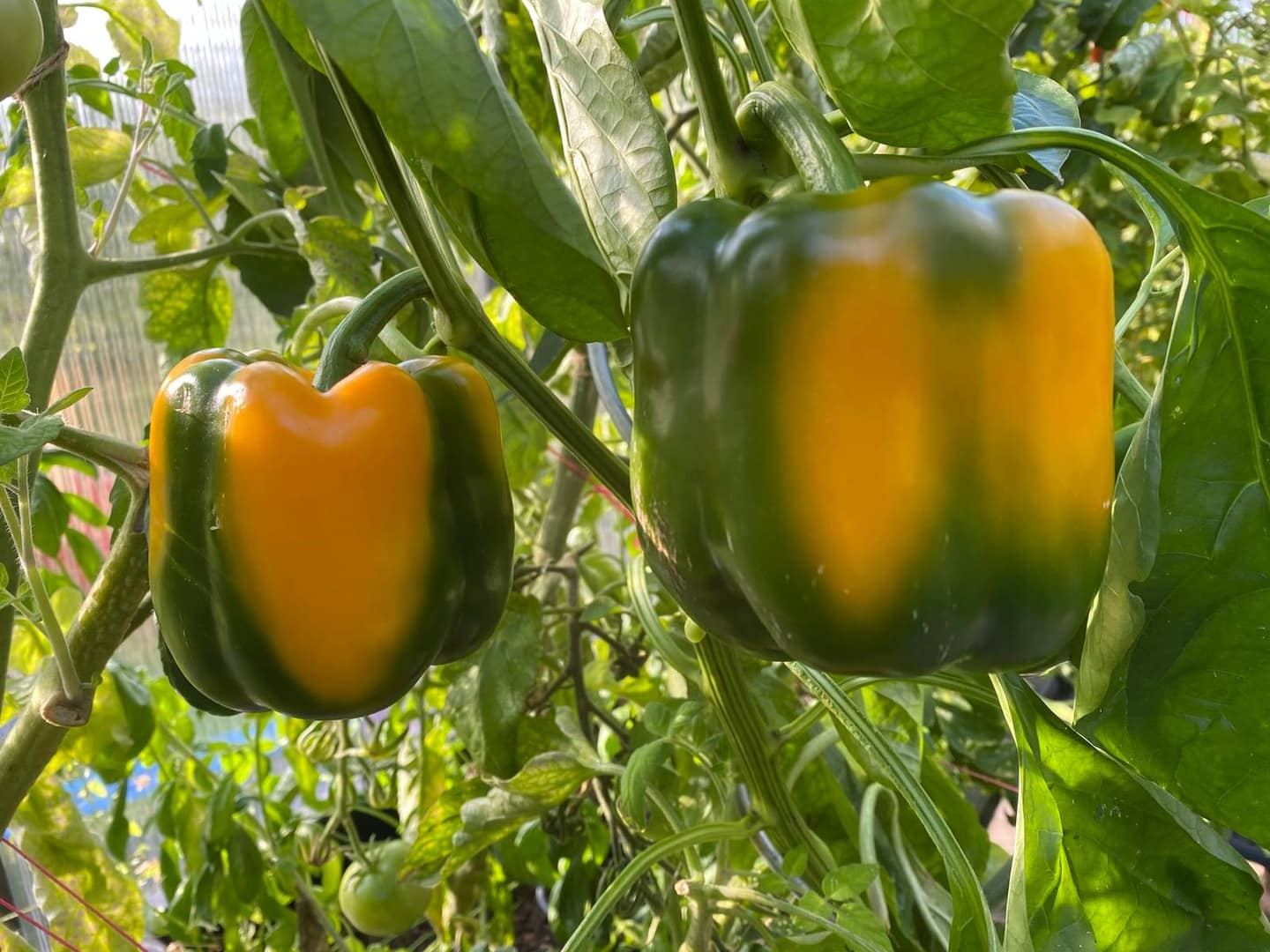
Peppers & Chilies – Heat Lovers in the Greenhouse
Peppers and chilies come from tropical and subtropical regions. They need plenty of warmth and sun – they feel most at home in a greenhouse or on a south-facing terrace.
Sowing (January–February)
- Let seeds germinate in moist seed-starting mix at 24–28 °C (a heat mat is almost essential).
- Germination time: 2–4 weeks – patience is required!
- Prick out once 2–3 true leaves are visible.
Variety Overview
Peppers:
- Bell peppers (Lamuyo type): classic, thick-walled, mild
- Pointed peppers: more aromatic, thinner-walled
- Stuffing varieties: ideal for filling and preserving
Chilies:
- Jalapeño: medium-hot, versatile
- Cayenne: hot, good for drying
- Habanero: very hot, fruity-aromatic
- Poblano: mild, large, for roasting
Care in the Greenhouse
- Temperature: minimum 18 °C at night, 22–30 °C ideal during the day.
- Watering: keep evenly moist, avoid waterlogging.
- Ventilation: air it out daily to prevent mold and pests.
- Fertilizing: every 14 days with tomato fertilizer (high potassium content is good for fruit).
- Pollinating: insects are scarce in the greenhouse – gently shake the flowers daily or pollinate with a brush.
Harvest
- Peppers: harvest green for higher yield, or let them fully ripen for a sweeter taste and a vitamin C boost.
- Chilies: depending on the variety, anywhere from green to fully red – ripe fruit is hotter.
- Tip: picking regularly encourages more flowering.
Drying & Processing Chilies
Harvested chilies dry beautifully:
- Hang them in an airy, warm spot (2–4 weeks)
- In a dehydrator at 50–60 °C (8–12 hours)
- Grind into powder or store whole