Stinging Nettle – Wild Vegetable, Medicinal Plant and Garden Fertiliser
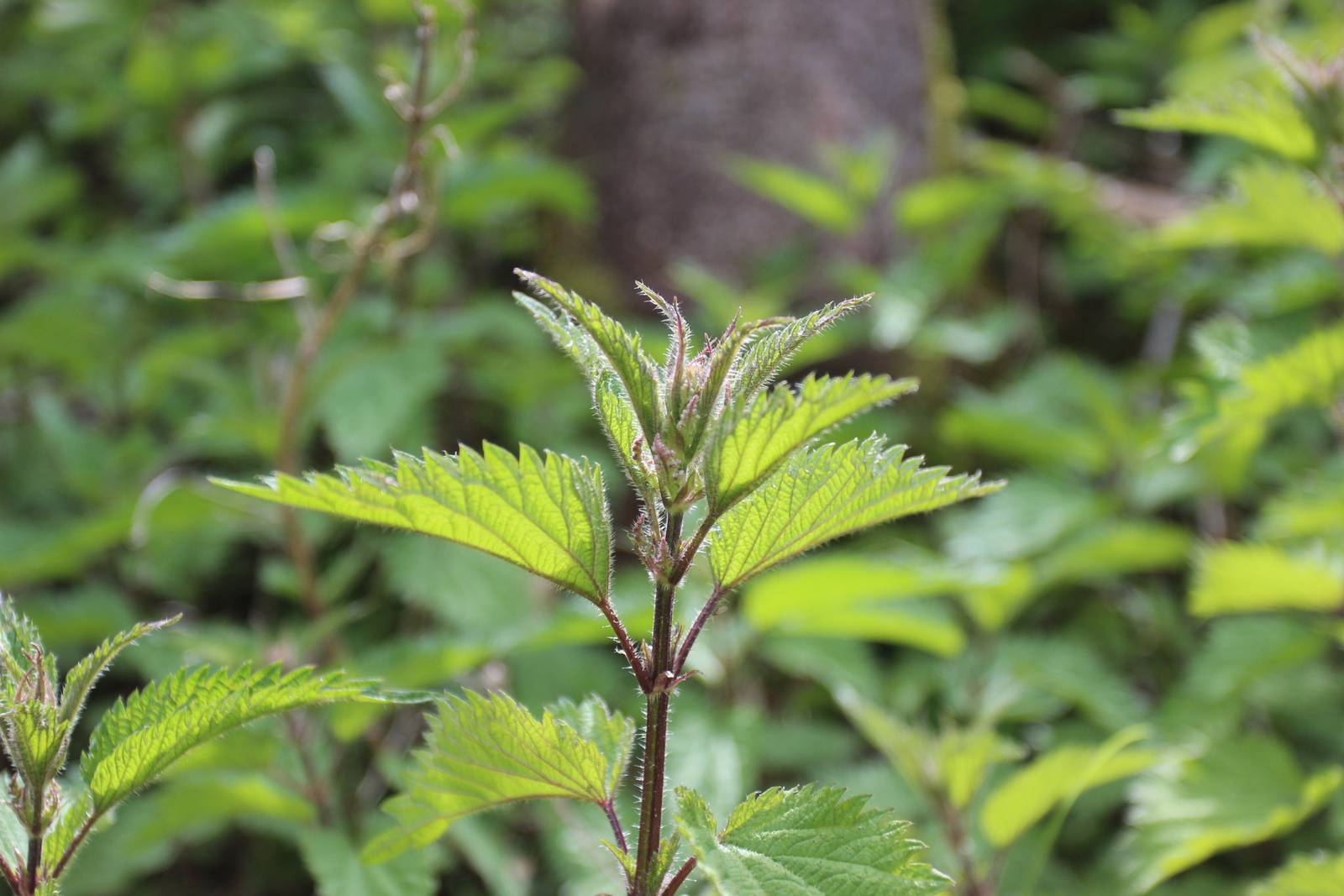
Active Compounds & Effects
Nettles are rich in:
- Iron – more than spinach
- Vitamin C – supports iron absorption
- Calcium, magnesium, potassium
- Flavonoids – credited with anti-inflammatory effects
When & Where to Harvest
Best harvest time: March to May (young shoots), a second chance in autumn after cutting back.
Where: Compost-rich, nitrogen-rich soils – forest edges, streams, garden corners. Don't forage directly along roads or on fertilized fields.
What to harvest: Only the top 4–6 leaves of young shoots.
⚠️ Important: Use Only Young Shoots
Older nettle leaves after flowering should no longer be eaten. They contain cystoliths – crystalline calcium deposits that make the leaves hard and gritty. The idea that they burden the kidneys is often repeated but not proven. Rule of thumb: if the plant is flowering or setting seed, it's no longer suitable for the kitchen. When in doubt, leave it out.
Harvesting Safely Without Getting Stung
Wearing gloves is a must. Over time you can learn to grasp nettles from below (the stingers point upward), but for beginners: gloves.
Use in the Kitchen
Nettle soup – the classic. Briefly blanch young shoots (this neutralizes the stinging hairs), then use like spinach.
Tea – dried or fresh, steep for 2–3 minutes. Mineral-rich – traditionally drunk as a diuretic infusion.
Smoothie – blanch fresh leaves, then they blend easily.
Pesto – instead of basil: nettles + Parmesan + nuts + olive oil + garlic.
As Plant Fertilizer
Nettle liquid manure is an underrated insider tip:
- Roughly chop nettles, fill a bucket a third full
- Top up with water
- Let sit for 1–2 weeks, stirring daily
- Dilute with water 1:10, pour directly onto the soil
Smells intense, works excellently – especially for tomatoes and squash.
Drying & Preserving
Dry leaves at 30–40°C (dehydrator or oven with fan, door slightly open). Stored dark and dry, keeps for at least 1 year.