Fishing from a Boat: Fish Finders, Technique & Safety
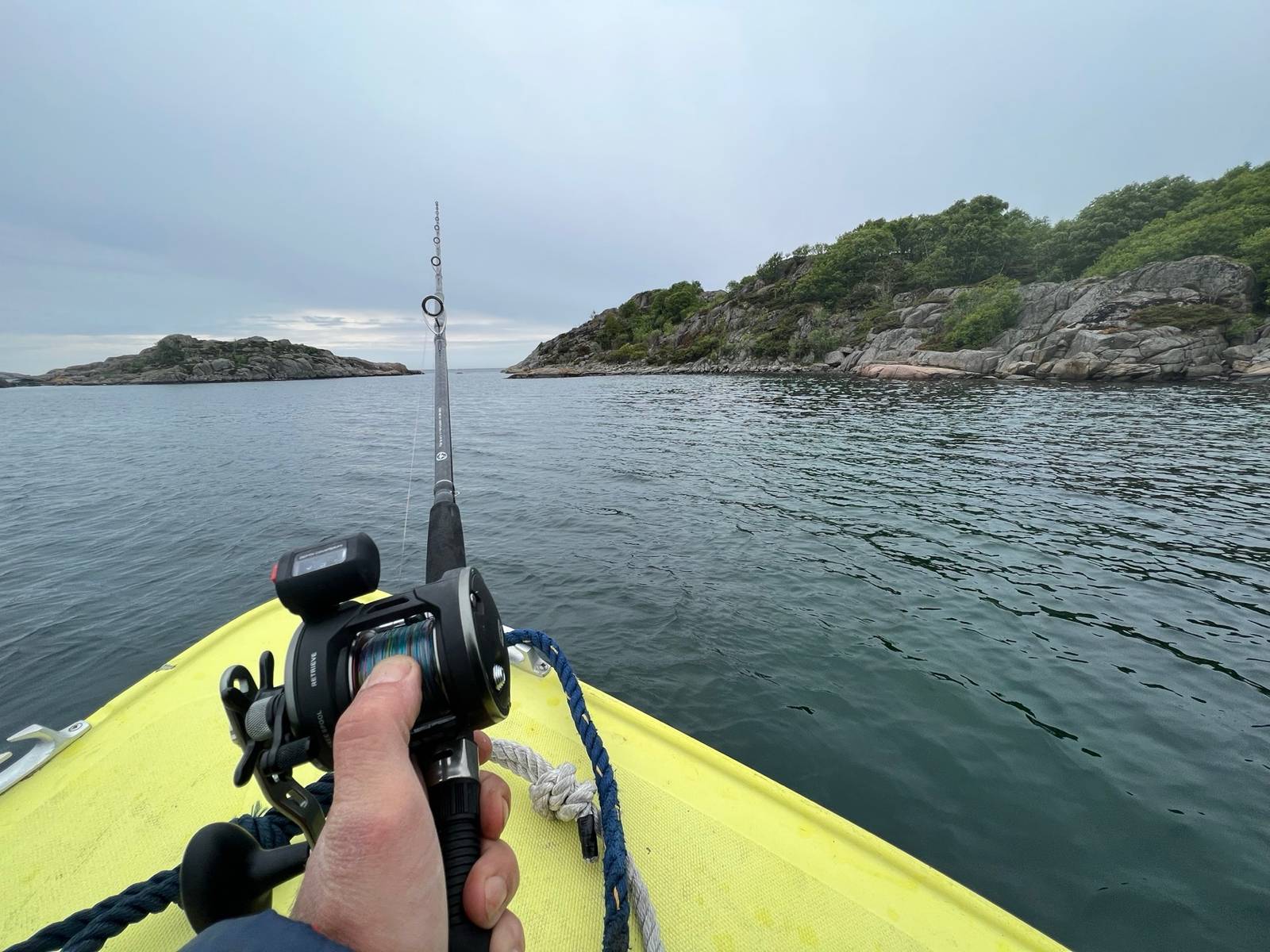
Boat Fishing: Fish Finder, Technique & Safety
From a boat, entirely new possibilities open up. You reach zones that would never be accessible from shore: the middle of large lakes, deep spots in reservoirs, edges and structures that predatory fish use as hunting grounds. But a boat also means more responsibility – for safety, equipment, and the environment.
Choosing the right boat
Not every boat is suited to every situation. The key factors: type of water, transportability, and budget.
Inflatable boat / air boat
- Light, foldable, transportable by car
- For calm inland waters, ponds, small lakes
- Downside: little stability in wind, limited load capacity
- Price: €200–800
Fishing kayak
- Stable, easy to paddle, very maneuverable
- Ideal for waters without motors or with motor restrictions
- Seating position close to the water – ideal for rod handling and fighting fish
- Price: €500–2,000
Aluminum boat / rowboat
- Rugged, low-maintenance alternative
- Often available for rent at campsites, cabins, or clubs
- Good for calm lakes and slow-flowing waters
Motorboat
- For large bodies of water, reservoirs, coastal fishing
- Boating license required above certain horsepower classes (varies by state)
- Fish finder, depth gauge, and navigation much more usable
Safety: The most important thing first
Essential equipment (worth having even without a legal requirement)
- Life jacket for every passenger – modern vests are comfortable and slim
- Bailing pump or bailer (to remove water from the boat)
- Paddle as emergency propulsion (even on motorboats)
- Signal light at dusk and at night
- Phone in a waterproof pouch – always bring it
Weather check
Never head out without checking the weather. Thunderstorms and squalls can develop quickly on open water. Apps: Windguru, Windy, MeteoSwiss. When in doubt: stay ashore.
Engine failure
Always have an emergency plan: Do you know where the nearest shore is? Do you have paddles with you?
Fish finder: seeing beneath the surface
The fish finder (echo sounder) is the most important device for serious boat anglers. It shows water depth, bottom structure, temperature layers, and schools of fish.
How a fish finder works
The sensor (transducer) sends sound waves into the water – reflections from the bottom and from objects (fish, structures) are displayed as an image.
Learning to read it
Depth line: Shows the water depth beneath the boat in real time.
Bottom hardness: Hard bottoms (rock, gravel) appear as a thick, intense line – soft bottoms (mud) as a thinner, paler line.
Fish arches: The classic depiction of fish as arches or dots. Larger arches = larger fish (rough rule of thumb).
Thermocline: The temperature layer below which oxygen content drops. Fish often hold at or above the thermocline.
Good fish finders for beginners
- Garmin Striker 4 (compact, reliable, built-in GPS) – approx. €120–160
- Lowrance Hook Reveal 5 – a bit pricier, better resolution
- Humminbird Helix 5 – for larger bodies of water
Fishing techniques from a boat
Trolling
The boat moves slowly while a lure is pulled behind it. Ideal for predatory fish (pike, trout, zander).
Lures: Wobblers, spinners, natural bait on trolling rigs Speed: 2–5 km/h depending on target species Fish finder: Check depth, keep the lure in the right zone
Jigging (vertical fishing)
The boat is positioned over a hotspot (found via the fish finder), and the jig is moved up and down directly beneath the boat. Very effective for zander, pike, and perch.
Equipment: Medium to heavy rod, braided line (high sensitivity), 10–60 g jig head
Drop shot
A refined method for perch and other smaller predatory fish. The weight sits on the bottom, with the lure hanging freely above it.
Especially effective in clear water and with hesitant fish.
Bottom fishing
For carp, tench, bream from a boat. The bait sits on the bottom. Rod in a holder, bite indicated by a bite alarm.
Navigation and finding hotspots
Modern fish finders have integrated GPS – you can mark hotspots (good fishing spots) and head straight for them on your next trip.
What to look for?
- Edges and drop-offs: Transitions between shallow and deep water – ideal predator zones
- Underwater structures: Tree stumps, rocks, wrecks – provide cover
- Weed beds: Edges of aquatic plants – lots of small fish, and therefore predators too
- Inflows: Tributaries bring oxygen and food
Legal aspects
- Your fishing license also applies from a boat: A permit for the respective body of water is required
- Motorboats: Banned on many inland lakes, or allowed only with an electric motor
- License requirement: On Germany's inland waterways since 2012 from 11.03 kW (15 hp), on the Rhine already from 3.68 kW (5 hp); for coastal waters the Sportbootführerschein See. State waters such as Lake Constance have their own rules
- Distance rules: To other anglers and boats
Equipment for boat fishing
- Rod holders / mounts for rods
- Anchoring system (anchor plus sufficient chain and rope)
- Net or landing net with a long handle
- Cool box or fish crate for your catch – live baitfish are prohibited in Germany under animal welfare law
- Landing net
- Toolbox: pliers, hook remover, knife, first-aid kit
Conclusion
Fishing from a boat is a world of its own – freer, more varied, and more exciting than fishing from shore. With the right equipment, a bit of practice reading the fish finder, and solid safety awareness, a huge part of a body of water opens up that was never visible from the bank.