Fishing License in Germany: Everything You Need to Know
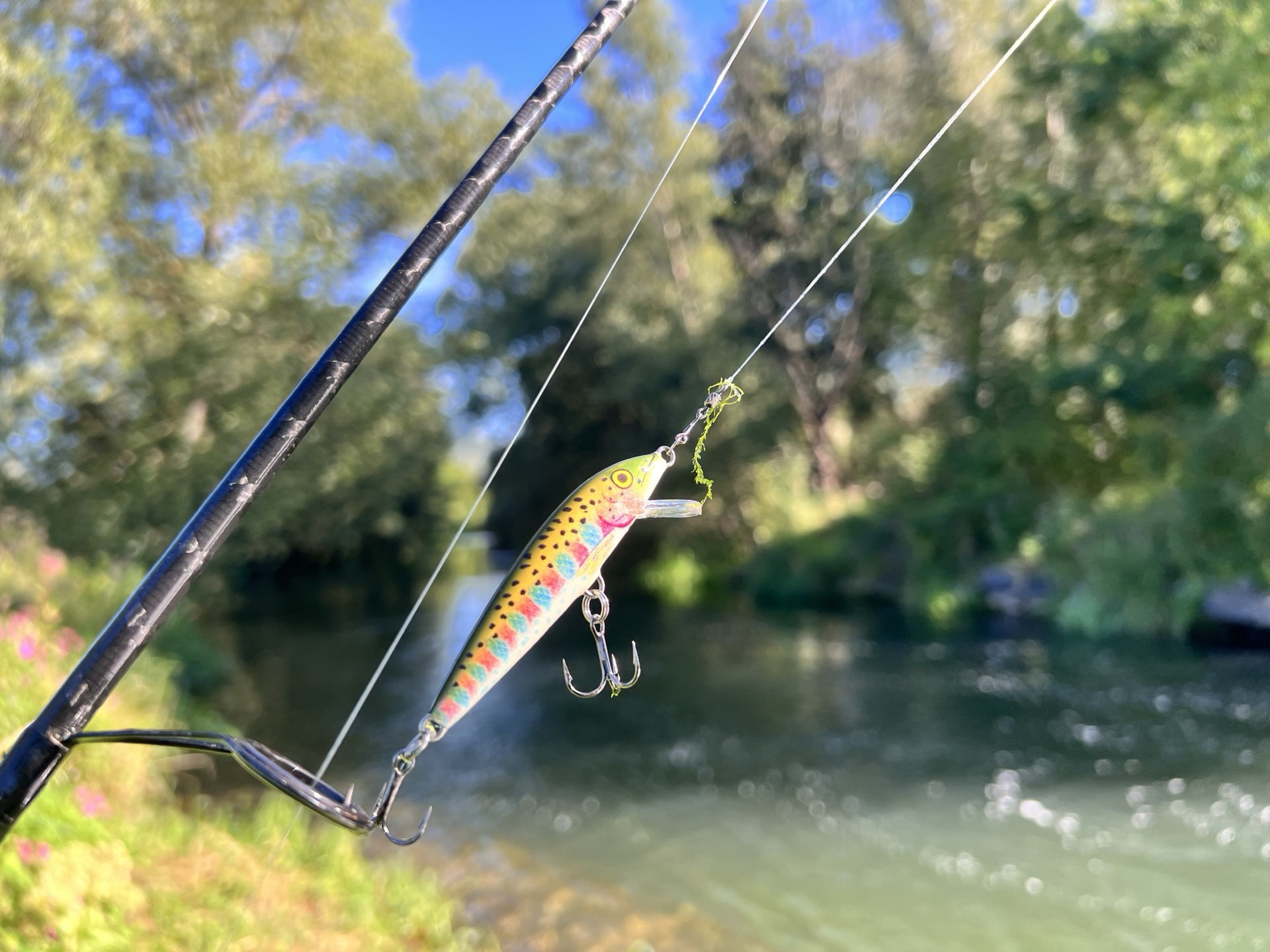
Fishing License in Germany: Everything You Need to Know
Fishing in Germany is more than just a pastime – it's a regulated craft with a long tradition. Anyone who wants to fish legally in German waters needs two things: the Fischereischein (colloquially "Angelschein", i.e. fishing license) and the Fischereierlaubnisschein (permit) for the specific body of water. This article walks you step by step through becoming a legal angler.
The Fischereischein: the foundation of all fishing activity
The state-issued Fischereischein is proof that you have passed the fishing exam. Without it, fishing in Germany is generally prohibited – even with borrowed equipment. Some states have exceptions: in Brandenburg you may fish for non-predatory species without a Fischereischein, and Mecklenburg-Vorpommern and Schleswig-Holstein issue time-limited tourist fishing licenses without a prior exam. What applies to you is set out in the fishing act of the state concerned.
Who needs it?
- Everyone above a certain age (10–14 years, depending on the state)
- Children below the minimum age may fish under the supervision of a license holder
How long is it valid? How long the Fischereischein is valid is for each state to decide: one-year, five-year and ten-year licenses are all common, and some states – Bavaria among them – issue it for life. Once it expires, you renew it for a fee.
The fishing exam: what you need to learn
The exam covers written questions from various subject areas. The exact content varies slightly by state, but the following areas are relevant everywhere:
1. Fish knowledge
- Recognizing and naming native fish species
- Biology, habitat, and behavior of the most important species
- Closed seasons and minimum sizes – for the protection of populations
2. Water knowledge
- Types of water (stream, river, lake, pond)
- Water quality and ecology
- The importance of bank structures and underwater plants
3. Tackle knowledge & fishing techniques
- Types of rods, reels, lines, hooks
- Methods: float fishing, bottom fishing, spin fishing, fly fishing
- Handling your catch in accordance with animal welfare
4. Legal knowledge
- Fishing laws of the respective state
- Nature conservation laws, closed seasons, no-fishing stretches
- Rules on approved bait and fishing gear
5. Stewardship and management
- Stocking and management of waters
- Recognizing fish diseases
- Invasive species and how to control them
Tips for exam preparation:
- Use official study booklets from the respective state fishing association
- Online practice exams on platforms like angelschein-online.de
- Attend exam prep courses at your local angling club
Process: from registration to license
Step 1: Register for a course
Register with the responsible fishing association or a recognized angling club for a preparatory course. Courses usually run over 2–4 weekends.
Step 2: Take the exam
The written exam consists of multiple-choice questions (usually 60 questions, pass mark around 70%). Some states also have a practical component.
Step 3: Submit your exam certificate
Submit your passing certificate to the responsible authority (district office, regulatory office, etc.) and apply for the state Fischereischein.
Step 4: Get your fishing license
You receive the Fischereischein and must renew it for a fee once it expires – depending on the state, that is every year or only after several years.
Costs: Exam fee €30–80, courses €80–200, fishing license around €10–30 per year of validity
The water permit: the second mandatory document
Even with a Fischereischein, you're not allowed to fish everywhere. For each body of water, you additionally need a permit (Erlaubnisschein) from the water's owner (club, association, or private individual).
Where to get one:
- Local angling clubs: annual or day passes
- State angling and fishing associations (LFV), organised under the DAFV national umbrella
- Online via platforms like Angel.de or Fischbaron
- Directly from the leaseholder of the water (e.g. for private ponds)
What's on it?
- Description of the water and cadastral map
- Validity period and permitted fish species
- Any restrictions (fly fishing only, no night fishing, etc.)
Closed seasons and minimum sizes: essential knowledge
Observing closed seasons and minimum sizes is not optional – it's mandatory. Violations are administrative offenses.
| Fish species | Closed season (example: NRW) | Minimum size |
|---|---|---|
| Pike | Feb 15 – Apr 30 | 45 cm |
| Zander | Apr 1 – May 31 | 40 cm |
| Brown trout | Oct 20 – Mar 15 | 25 cm |
| Eel | Oct 1 – Mar 1 (main Rhine channel only) | 50 cm |
The figures above are taken from the fishing regulations of North Rhine-Westphalia and apply there only. Every German state sets its own closed seasons and minimum sizes, and the rules for an individual water may be stricter – always check the rules of your state and the current permit!
Catch & release: allowed or prohibited?
In Germany, catch & release is legally controversial. The Animal Welfare Act generally prohibits causing unnecessary pain. Whether catch & release is allowed depends on the state and the fishing regulations for that water.
Rule of thumb: Only catch what you can use or must keep. Use barbless hooks for more gentle release, where permitted.
Fishing with children
Children can get their own Fischereischein once they reach the minimum age (varies by state). Younger children may fish under the direct supervision of a license holder – the license holder bears responsibility.
Many angling clubs offer youth fishing programs: a wonderful introduction with experienced anglers, affordable club fees, and waters with good fish populations.
Conclusion: it's worth the effort
The fishing exam isn't rocket science – with two to four weekends of study, you'll be well prepared. What you gain goes far beyond the license itself: a deep understanding of waters, fish biology, and nature. And then: cast your line, enjoy the silence, and watch the water.