Currant Jelly & Juice: Preserving Black & Red Berries
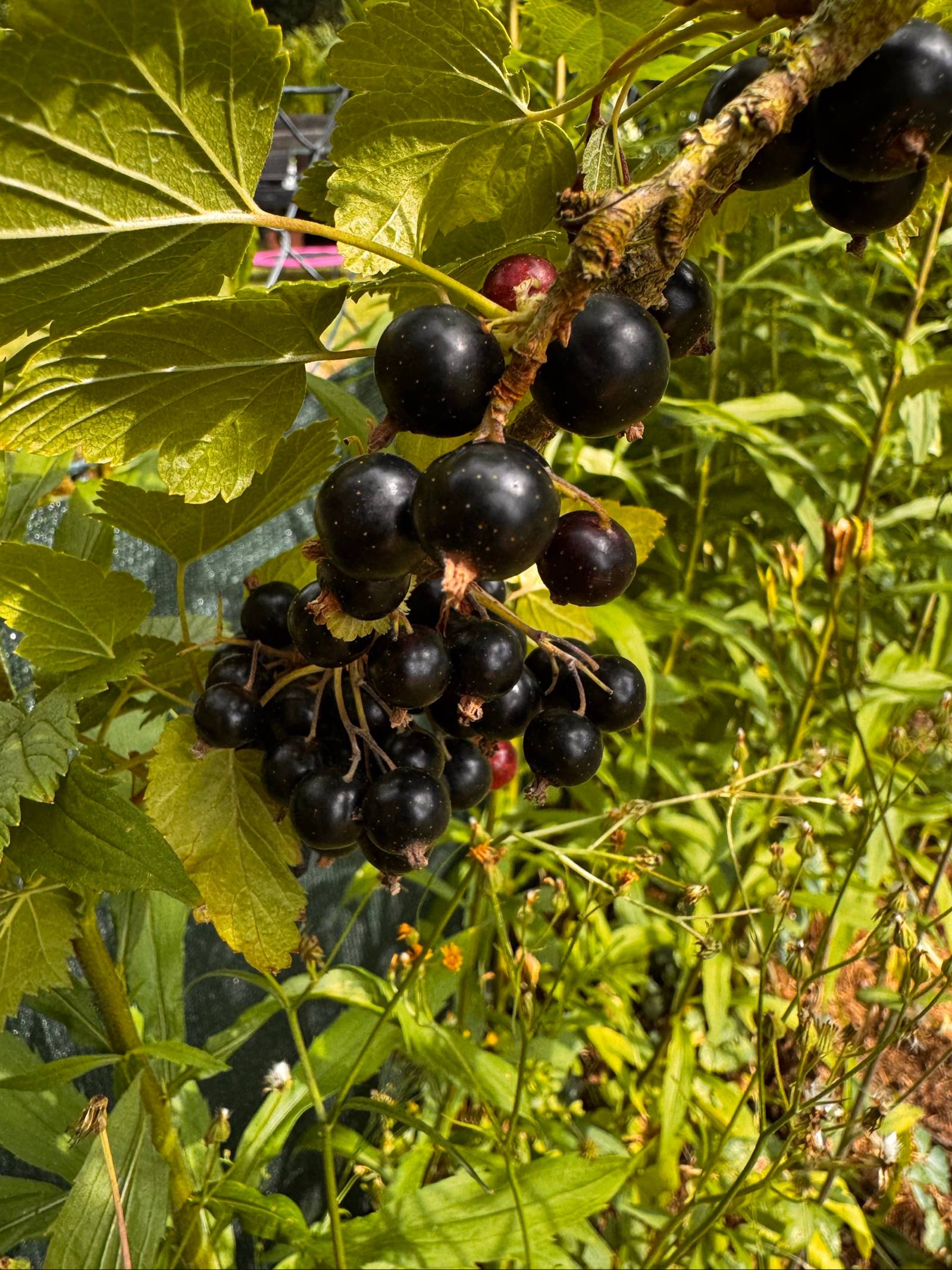
Currant Jelly & Juice: Preserving Black & Red Berries
Currants are packed with vitamin C and pectin – making them ideal for canning. Red currants give you a brilliant ruby-red jelly with a delicate tartness; black currants stand for an intense, almost spicy flavor. This article shows you the best methods for jelly, juice, and syrup.
Harvesting and Preparation
Currants are harvested fully ripe – the clusters should be evenly colored and slightly soft. Not too early: unripe berries have less sugar and more acidity.
Harvesting: Cut off whole clusters and strip the berries from the stems once you're home. A fork works great: hold the cluster and pull the stems across the fork tines in one motion.
Washing: Swirl briefly in cold water, don't soak for long.
Freezing works too: Currants freeze beautifully and can be processed later – so the harvest can wait its turn for processing without any rush.
Currant Jelly: The Classic
Jelly is the most elegant way to use currants: no seeds, clear and brilliant, with a firm yet delicate set.
Basic Recipe: Red Currant Jelly
Ingredients:
- 1.5 kg red currants (yields about 1 liter of juice)
- 1 kg 1:1 jam sugar (or 500 g of 2:1)
- Juice of 1 lemon
Preparation:
- Heat the berries with a little water (about 100 ml): simmer over medium heat for 10–15 minutes until the berries burst and release their juice
- Strain: let the berries drip through a jelly bag or cheesecloth – at least 2 hours, ideally overnight
Don't squeeze! That makes the juice cloudy. Just let it drip.
- Measure the juice: measure out exactly 1 liter (drink or freeze the rest)
- Cook: bring the juice to a boil with the jam sugar and lemon juice, boil at a rolling boil for about 4 minutes, stirring
- Setting test: put a small dollop on a cold plate – if it forms a skin, it's ready. If not, cook for another 1–2 minutes.
- Fill jars: pour into sterilized jars, put the lids on, briefly turn upside down
Shelf life: 1–2 years stored cool and dark
Black Currant Jelly (Cassis Jelly)
Same basic recipe, but black currants have even more pectin – the jelly sets firmer. Use a little more water when heating if needed. The intense flavor can carry spice notes:
- Variation: with a splash of cassis liqueur and a bit of vanilla
- Savory variation: with bay leaf and black pepper – wonderful with cheese and game
Currant Juice: Plain or as Syrup
Method 1: Steam Juicer
A steam juicer is the best tool for large quantities. The berries go into the container, steam releases the juice – clear and without any pressing. Some of the vitamin C is lost to the long heat, though.
Process:
- Put the berries into the juicing basket (the stems can stay on)
- Juice for about 45–60 minutes
- Collect the juice, fill hot into sterilized bottles right away
Method 2: Cold-Pressed Juice (For Maximum Vitamins)
For small batches: purée the berries with an immersion blender, press through a cloth. Not heated, so it only keeps 3–5 days in the fridge – or freeze it.
Currant Syrup
Ingredients:
- 1 liter currant juice
- 700 g sugar
- Juice of 1 lemon
Bring the juice, sugar, and lemon to a boil until the sugar dissolves, simmer 5 minutes, fill hot into bottles.
How to use: Dilute with water (1:8), serve over ice, use in desserts, or as a cocktail base
Currant Jam
If seeds don't bother you (or you like them), make jam instead of jelly – much faster, since no straining is needed.
Ingredients:
- 1 kg berries, stemmed
- 500 g 2:1 jam sugar
- Juice of ½ lemon
Purée or roughly crush the berries, cook with the jam sugar and lemon for 4 minutes, fill into jars.
Tips for a Perfect Result
Sterilizing jars properly: Either boil for 10 minutes or heat fresh from a hot oven (120 °C, 15 min). Never use jars with hairline cracks or old rubber seals.
Pectin content: Currants naturally set very well – more pectin than most other fruits. Even so, too little cooking or too much water can prevent proper setting.
Skimming foam: Foam forms on the surface while cooking – skim it off for a clear jelly.
Start small: If you're making jelly for the first time, it's better to do a test run of 1–2 jars rather than processing your entire harvest at once.
Black Currants: Special Notes
Black currants have a more intense flavor that divides opinion: tart, berry-forward, almost woody. For jelly and juice they're sweetened less than red currants, so the flavor can shine through.
Especially good with:
- Game dishes (as a sauce or jelly accompaniment)
- Cheese platters (strong blue cheese + black currant jelly = a classic pairing)
- Yogurt and desserts
Conclusion
Currant season is short – but with jelly, juice, and syrup you can enjoy it all year long. The effort is manageable, the results are convincing. And homemade currant jelly is a kitchen classic that never disappoints.